A Knoxville summer commute can turn a parked vehicle into an oven fast. If your steering wheel is too hot to touch, the glare off I-40 wears out your eyes, or your A/C struggles to catch up, windshield film may sound like an easy fix. But the right choice is not simply the darkest film or the cheapest quote.
This windshield film review looks at what drivers actually get from windshield tint, where premium ceramic film earns its price, and why installation quality and Tennessee tint rules matter just as much as the film itself. The goal is simple: help you choose a setup that improves comfort without creating a problem at inspection time or during a traffic stop.
What windshield film actually does
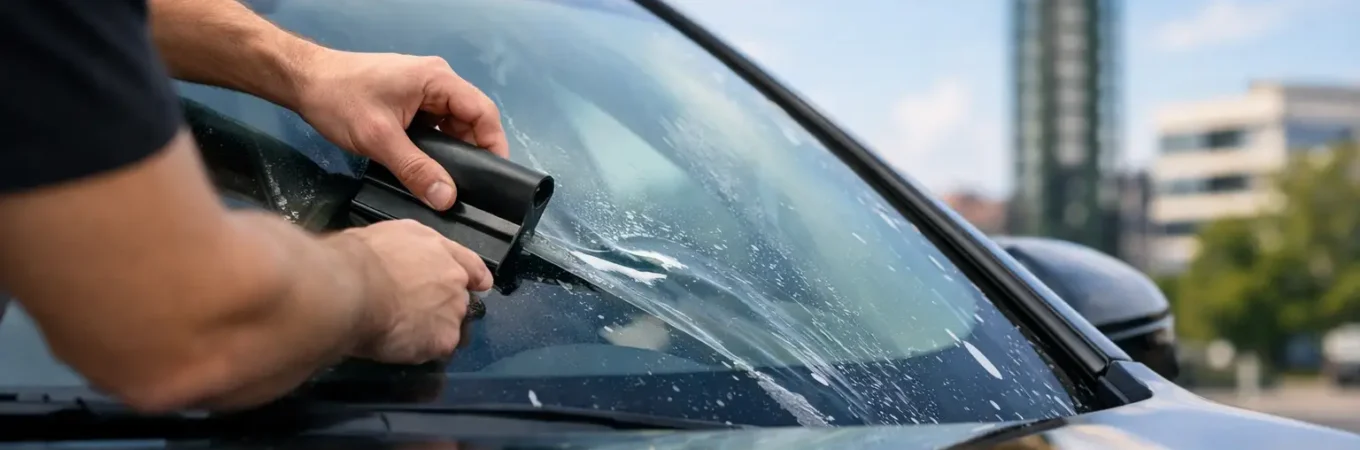
Windshield film is installed on the inside surface of the glass. Depending on the product, it can reduce glare, block UV exposure, and reject a meaningful amount of solar heat before it reaches the cabin. That can make a noticeable difference when your vehicle sits in a sunny parking lot or when afternoon light comes straight through the front glass.
The windshield is also the largest piece of glass in most vehicles. That is why a light, high-performance film can affect cabin comfort more than many drivers expect. Side and rear tint still matter for privacy and appearance, but the windshield is a major source of heat and sun exposure.
The trade-off is visibility. A windshield is your primary view of the road, pedestrians, lane markings, and hazards at night. Film that looks fine at noon can feel too dark in rain, on rural roads, or when driving toward oncoming headlights. A professional recommendation should account for how and when you drive, not just how the film looks from the outside.
Windshield film review: carbon vs. ceramic
Not every film is built for the same job. Carbon and ceramic films can both improve glare control and UV protection, but their performance and cost are different.
Carbon film: a practical entry point
Carbon film is a solid option for drivers who want a cleaner appearance and basic heat reduction without moving into a premium price range. It is commonly chosen for side and rear windows, where privacy and a darker look are often the main priorities.
For a windshield, carbon may make sense in an allowed shade or visor-strip application when budget is the deciding factor. Still, it is not usually the top choice for a nearly clear windshield installation. If you are paying to film the entire windshield primarily for heat rejection, the upgrade to ceramic is often worth discussing.
Entry ceramic: better heat control without overpaying
Entry ceramic film is where many daily drivers find the best balance. It can reject more heat than basic dyed or carbon products while staying light enough to preserve a natural view through the glass. That matters when you want comfort and protection without the obvious appearance of dark windshield tint.
A light ceramic windshield film can be especially appealing for commuters, families, and drivers with dark interiors. It helps reduce the sharp, direct heat that makes long drives uncomfortable, while keeping the vehicle looking close to factory from the outside.
Ceramic IR: built for hot, bright driving
Ceramic IR film is designed for stronger infrared heat rejection. Infrared energy is a large part of the heat you feel from sunlight, so this category is a smart fit for drivers who spend a lot of time on the road, park outside, or simply want their cabin to cool down faster.
This is where film quality becomes easier to feel rather than just read about on a spec sheet. On a hot East Tennessee afternoon, better heat rejection can mean less strain on your A/C and a more comfortable first few miles after leaving work, the gym, or a trailhead.
Ceramic Ultra: the premium option
High-end ceramic ultra films are for customers who want the strongest available performance in a light, refined package. They are typically chosen for newer vehicles, luxury interiors, performance cars, and drivers who want maximum heat control without sacrificing visibility.
The added cost is not automatically necessary for every vehicle. If your car is garage-kept and your drive is short, entry ceramic may be plenty. If you have a long daily commute, leather seats, a black interior, or a vehicle that lives outside, the premium film can be easier to justify over time.
Is windshield tint legal in Tennessee?
This is the question that should come before shade selection. Tennessee law places restrictions on windshield tint, and those restrictions are different from the rules for side and rear glass. In general, the windshield is not the place to choose a dark film because you want a more aggressive look.
A legal visor strip at the top of the windshield may be an option, depending on the placement and applicable requirements. Some drivers may also qualify for a medical exemption. Because tint laws and enforcement can change, it is best to confirm your situation with a knowledgeable local tint shop before installation.
There is an important difference between a dark-looking windshield tint and a light ceramic film selected for heat rejection. Even a nearly clear film should be discussed carefully because legality, visible light transmission, and documentation all matter. A reputable installer should never push you toward a setup that leaves you surprised later.
What a good installation should look like
Premium film cannot make up for rushed installation. Your windshield is in your direct line of sight, so small flaws that may be easy to ignore on a rear window can be distracting every time you drive.
A clean install starts with detailed glass preparation. Dust, lint, old adhesive, and interior debris can create visible contamination under the film. The installer should also protect the dash and electronics from excess moisture during the process. Modern vehicles have cameras, sensors, and sensitive trim around the windshield, so experience matters.
After installation, a few small water pockets or a slightly hazy appearance can be normal while the film cures. The amount of time varies with weather and film type. Large bubbles, creases, trapped debris, peeling edges, or distortion in your field of view are not normal signs of curing. If something looks wrong, ask the shop to inspect it rather than trying to press or cut the film yourself.
Questions to ask before choosing film
A useful windshield film review should lead to better questions, not just a brand name. Ask what the quoted film does for heat rejection at the shade you are considering. Ask whether the product is recommended for windshield use and how it will affect nighttime visibility.
It also helps to ask about warranty coverage, curing expectations, and the shop’s process if a defect appears after installation. Price matters, but a low quote may not include the same film tier, preparation, or after-service support as a professional installation.
For many Knoxville drivers, the best value is not the darkest option. It is a legal, light ceramic film paired with professionally matched side and rear tint. You get a more comfortable cabin, reduced glare, and UV protection while keeping a clear view of the road.
The right choice depends on your vehicle and routine
A work truck that spends all day outside has different needs than a weekend coupe. A driver who travels back roads after dark should prioritize clarity more heavily than someone who drives mostly during daylight. If appearance is the main goal, a visor strip and side-window tint may deliver the look you want without putting dark film across your full windshield.
The strongest recommendation is to see film samples in person. Hold them against glass, look through them in different lighting, and compare how each tier feels for clarity and heat control. At 865 Tint, that conversation starts with how you use your vehicle, because the right film should make every drive more comfortable without asking you to compromise on safety or peace of mind.