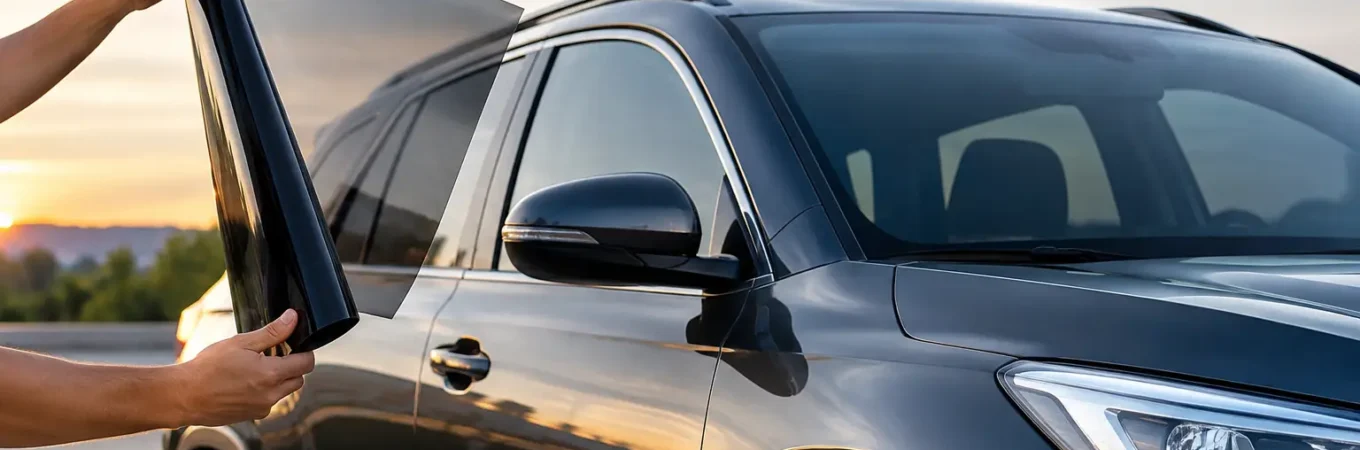
A black interior can feel like an oven after a Tennessee summer parking lot, even when your air conditioning is running full blast. The top benefits ceramic IR film offers come down to making that daily drive more comfortable without sacrificing the clean look, visibility, or signal performance drivers expect from a premium tint.
Ceramic IR is a strong choice for people who want more than privacy and appearance from their window film. It is designed to reject infrared heat, reduce glare, block harmful UV rays, and help your vehicle feel easier to live with year-round. For Knoxville drivers dealing with humid summers, bright commutes, and long stretches on I-40 or I-75, that difference can be felt every time you get behind the wheel.
Top Benefits of Ceramic IR Film
Better heat rejection where you feel it most
The biggest reason most drivers step up to ceramic IR film is heat control. Infrared radiation is a major source of the heat you feel inside a vehicle. Standard dyed films may darken the glass, but darkness alone does not always mean strong heat rejection.
Ceramic IR film is built to target that infrared heat. The result is a cabin that heats up more slowly in direct sun and cools down more efficiently once the A/C is on. Your vehicle will still get warm when it sits outside on a 90-degree day, but the interior is far less punishing when you open the door.
That improvement is especially noticeable in vehicles with large windshields, panoramic roofs, dark leather seats, or lots of glass. It also helps passengers in the back seat, where sun exposure can be more direct during afternoon drives.
Strong UV protection for you and your interior
Quality ceramic IR film blocks up to 99% of harmful UV rays. That matters for more than sunny weekends and road trips. UV exposure happens during regular commuting, errands, school drop-offs, and time spent parked near a window.
For drivers, UV protection helps reduce direct exposure to the skin while you are on the road. For the vehicle, it helps protect dashboards, door panels, leather, upholstery, and trim from fading, drying, cracking, and premature wear. A well-kept interior helps preserve the enjoyment of your vehicle now and can support its resale value later.
No tint can stop every form of interior damage, especially if a vehicle lives outside for years. Still, adding high-quality film is one of the most practical ways to give your cabin another layer of protection.
Clear visibility without the heavy look
A common concern with premium tint is whether stronger performance means a darker windshield or reduced visibility at night. Ceramic IR film gives drivers more flexibility because it can provide meaningful heat rejection across different shade levels.
That means you can choose a legal, comfortable shade for your side and rear windows without relying only on a very dark film to get results. It can also be a good option for windshield tint applications where a lighter, nearly clear film may be preferred for heat and UV control.
The right shade still depends on your vehicle, driving habits, and Tennessee tint law. Someone who drives rural roads at night may want a lighter shade than someone who mainly drives during the day in the city. A professional installer can help match the film to your priorities instead of treating every vehicle the same.
Less glare on bright East Tennessee drives
Glare can make a short drive feel tiring. Morning sun through the windshield, afternoon light coming across the side glass, and reflections from wet pavement all make it harder to keep your eyes comfortable.
Ceramic IR film helps reduce glare while maintaining a clear view outward. This is useful for commuters, parents, rideshare drivers, and anyone who spends a lot of time behind the wheel. It does not replace sunglasses or safe driving habits, but it can make harsh daylight easier to manage.
The benefit is also noticeable for passengers. Kids in the rear seat and anyone sensitive to bright light often appreciate the extra comfort on longer trips.
No metal means fewer signal concerns
Some high-performance films use metallic components. While metalized film can offer heat rejection, it may interfere with certain electronic signals depending on the vehicle and the film itself.
Ceramic IR film is non-metalized. That makes it a smart fit for modern vehicles that rely on Bluetooth, GPS, cellular service, keyless entry, satellite radio, and other connected features. You get premium heat performance without choosing a film that could create unnecessary concerns around connectivity.
This is particularly worth considering for newer vehicles with advanced driver-assistance systems, built-in navigation, or multiple antennas integrated into the glass.
A clean appearance that lasts
Good window tint should look as good years from now as it does after installation. Ceramic IR film is known for its color stability and clean finish. Unlike lower-grade films that can fade, turn purple, bubble, or develop a hazy look over time, premium ceramic film is made for long-term performance.
Of course, the film is only part of the result. Preparation, glass cleaning, precision cutting, and careful installation all matter. A quality film installed poorly can still have visible contamination, uneven edges, or premature issues. Professional installation protects the investment you are making in better material.
At 865 Tint, the goal is straightforward: clean work, film options that match your needs, and a finished vehicle you are proud to pick up.
Ceramic IR Film vs. Carbon and Higher-End Ceramic
Ceramic IR is often the sweet spot for drivers who want a major upgrade in comfort without choosing the highest-priced option available. Carbon film can provide a sharp appearance, privacy, UV protection, and solid value. For many vehicles, it is a practical choice.
Ceramic IR takes heat rejection further, which is why it makes sense for drivers who park outside, commute often, have a dark interior, or simply hate getting into a hot vehicle. The difference is not always about how dark the windows look. It is about how much heat the film is designed to keep from entering the cabin.
High-end ceramic ultra film may offer even stronger performance for drivers seeking the best available heat rejection. Whether that upgrade is worth it depends on your budget and expectations. If you spend limited time in the car or park in a garage most days, ceramic IR may already give you the comfort improvement you want. If your vehicle is your office, your weekend road-trip machine, or sits outside all day, the premium upgrade can make more sense.
What to Consider Before Choosing Your Shade
Film performance is only one part of the decision. Shade affects privacy, nighttime visibility, appearance, and legal compliance. A darker shade can offer more privacy and glare reduction, while a lighter shade can be easier to see through after dark.
Your vehicle type also matters. Trucks and SUVs often have more cabin glass and more direct sunlight on passengers. Sedans with black interiors can absorb heat quickly. Older vehicles may benefit from the added UV protection if the dash and upholstery have already seen years of sun exposure.
It is also worth being realistic about expectations. Ceramic IR film helps reduce heat, but it does not make a vehicle immune to a hot Tennessee afternoon. Your cabin will still warm up when parked in direct sun. The advantage is that less heat passes through the glass, the A/C has less to fight, and the vehicle becomes more comfortable faster.
Is Ceramic IR Film Worth It?
For drivers who care about heat reduction, UV protection, glare control, and a premium finish, ceramic IR film is usually worth considering. It adds practical comfort to every drive while helping protect the vehicle you already invested in.
The best choice is the one that fits how you actually use your vehicle. Think about where you park, how far you drive, who rides with you, and how much heat affects your day. A properly installed ceramic IR film package can make your vehicle feel noticeably better long after you leave the tint shop.