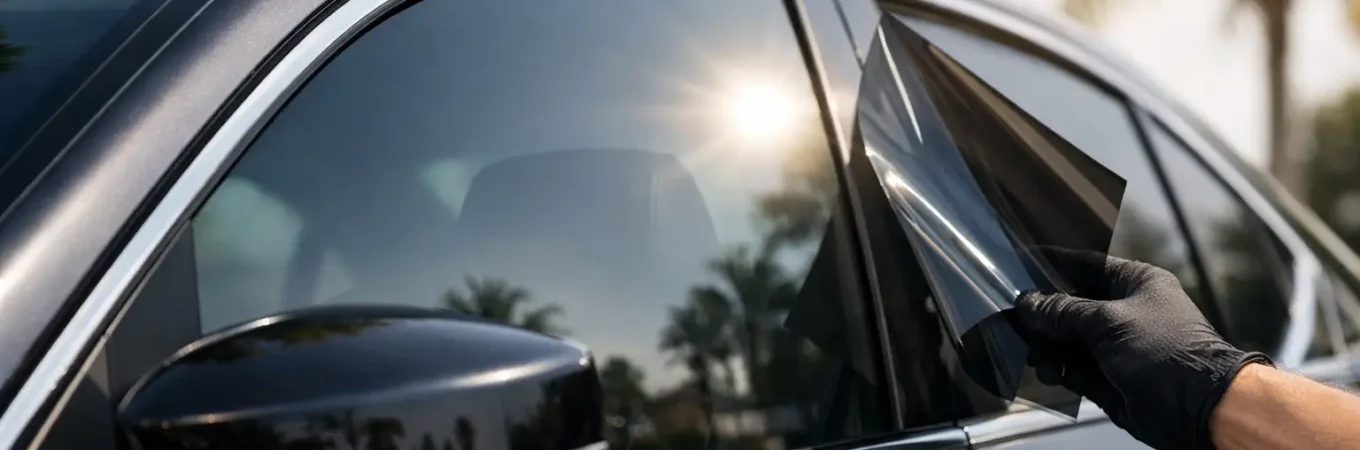
Step into a car that has been parked in a Tennessee lot all afternoon and you find out fast that not all window tint is built the same. If you are trying to find the best tint for heat reduction, the short answer is ceramic film. The better answer is that the right choice depends on your budget, your vehicle or property, and how much heat rejection you actually want.
A lot of people shop tint by darkness first. That makes sense if privacy or looks are the main goal. But when heat is the problem, the film technology matters more than the shade alone. Two windows can look similar from the outside and perform very differently once the sun starts beating down.
What makes the best tint for heat reduction?
Heat reduction comes from blocking solar energy, especially infrared heat, before it builds up inside the glass. Good tint also cuts glare and blocks UV rays, but those are not exactly the same thing. A film can block a lot of UV and still not be the strongest option for keeping a cabin or room cooler.
That is where many buyers get tripped up. They hear terms like dyed, carbon, ceramic, or IR ceramic and assume darker means cooler. In reality, a lighter high-performance ceramic film can reject more heat than a darker basic film. If your main concern is comfort, interior protection, and reducing that oven-like blast when you open the door, the spec that matters most is heat rejection, not just appearance.
Ceramic vs carbon vs dyed tint
Dyed film
Dyed film is usually the entry-level option. It improves appearance, adds some privacy, and can help a little with glare. For customers on a tight budget, it may check the basic boxes.
The trade-off is heat performance. Dyed film is generally not the best tint for heat reduction because it does not reject as much solar energy as carbon or ceramic products. It can still be worth considering if cost is the main factor, but most people looking specifically for cooler interiors end up wanting more.
Carbon film
Carbon film is a strong middle-ground option. It gives a clean look, solid glare control, and better heat rejection than standard dyed film. It also tends to hold its color well and avoids the purplish fading that cheaper films are known for over time.
For drivers who want an upgrade without jumping straight to premium pricing, carbon often makes sense. It will not match top-tier ceramic performance, but it offers noticeable improvement in comfort and a better overall value than entry-level tint.
Ceramic film
Ceramic film is the premium answer for heat control. It is widely considered the best tint for heat reduction because it is designed to reject high levels of infrared heat while keeping visibility clear and signal interference low. That matters if you rely on GPS, phones, Bluetooth, or other electronics.
The biggest benefit is simple: your vehicle, home, or office stays more comfortable. Your AC does not have to work as hard, your seats and surfaces do not heat up as aggressively, and long sunny drives are easier on you and your interior. Ceramic also tends to deliver stronger UV protection, which helps preserve dashboards, upholstery, flooring, and furniture.
Why darker tint does not always mean less heat
This is one of the most common misconceptions in tint shopping. Darkness affects visible light transmission. Heat rejection depends on the film’s construction and material quality. You can choose a very dark basic film and still end up with less heat protection than a lighter ceramic option.
That matters for drivers who want to stay within legal limits or homeowners who do not want their windows looking too dark from the outside. You do not always need the darkest film to get strong performance. In many cases, the smarter move is choosing a better film type at a shade that fits your goals.
Best tint for heat reduction in cars
For automotive use, ceramic is usually the best fit if heat is the priority. Windshields, front windows, and large rear glass areas let in a lot of solar energy, especially during East Tennessee summers. A quality ceramic package can make a real difference in daily comfort.
If you spend a lot of time commuting, drive a dark interior vehicle, or park outdoors, the upgrade tends to pay off in a more noticeable way. The hotter the conditions and the more glass you have, the easier it is to feel the difference between basic film and high-performance ceramic.
That said, budget still matters. If full ceramic is outside your target price, carbon can still be a worthwhile step up from entry-level tint. It comes down to whether you want the best possible heat rejection or a solid improvement at a lower cost.
Best tint for home and office heat reduction
The same general rule applies to residential and commercial windows. If your goal is to reduce sun load, make rooms more comfortable, and help protect interiors, higher-performance film is usually worth it.
Homes with west-facing windows often deal with that brutal late-afternoon heat that makes one room feel completely different from the rest of the house. Offices can have the same problem, especially in front-facing spaces with large glass sections. In those cases, the best tint for heat reduction is usually a ceramic or other premium heat-blocking film designed for flat glass.
The trade-off on property tint is that every building has different glass, exposure, and goals. Some customers care most about energy efficiency. Others want glare control for screens, daytime privacy, or fading protection for floors and furniture. A professional recommendation matters because the right film depends on what that specific space is dealing with.
What to ask before you choose a film
If you are comparing tint options, start with the real-world goal instead of the product name. Are you trying to cool down a daily driver? Make your home office more comfortable? Reduce glare in a storefront? The answer changes what makes the most sense.
Ask about heat rejection, not just shade. Ask how the film performs on infrared heat, how clear it looks from the inside, and how it holds up over time. A lower-priced film can look like a bargain until it underperforms in July or starts showing age sooner than expected.
It also helps to ask how the installer handles fit, edges, and removal. Even premium film is only as good as the installation. Clean work, proper prep, and damage-free application are what turn a good product into a result you are actually happy with.
Is ceramic always worth the extra cost?
For many customers, yes. If heat reduction is your top priority, ceramic is usually the best return. You feel the difference more often, especially on hot days, in full sun, and in vehicles or rooms with a lot of glass.
But there are cases where carbon is enough. If your car is usually garaged, you only want moderate heat improvement, or you are tinting mainly for appearance and privacy, a good carbon film may be the better value. Spending more only makes sense if you are paying for benefits you will actually notice.
That is why a one-size-fits-all answer does not work here. The best tint for heat reduction is ceramic in terms of performance, but the best tint for your situation depends on how you balance comfort, budget, and expectations.
The smart way to choose
Most people regret going too cheap long before they regret choosing better film. Heat control is one of those upgrades you feel every day, not just when the job is brand new. If you are tired of hot seats, harsh glare, and AC working overtime, it makes sense to choose a film designed to solve that problem instead of one that just changes the look of the glass.
At 865 Tint, that usually means helping customers compare carbon, entry ceramic, ceramic IR, and higher-end ceramic options based on how they actually use the vehicle or space. The goal is not to oversell. It is to match the film to the job so you get the result you are paying for.
If you want the shortest answer, ceramic is the best tint for heat reduction. If you want the best result, choose the film that fits your budget, your glass, and the way the sun hits your day-to-day life.
Comments (3)
Can Window Film Add Privacy to Your Home? – 865 Tint
7 September 26 7:13 am[…] storefronts, waiting areas, and windows facing a busy street or close neighbor. It can also reduce glare and heat at the same time, which makes privacy film more than a cosmetic […]
Retail Privacy Film for Storefronts and Shops – 865 Tint
11 September 26 1:59 am[…] East Tennessee summers can put a lot of heat on west- and south-facing glass. A film that improves heat control may help make the sales floor more comfortable for customers and staff, especially near the front […]
Schedule Your Vehicle Tint Appointment in Knoxville – 865 Tint
13 October 26 3:11 am[…] your vehicle gets hot while parked at work, at school, or outside your home, heat rejection should be near the top of your list. If morning and afternoon sun makes your commute harder, glare […]