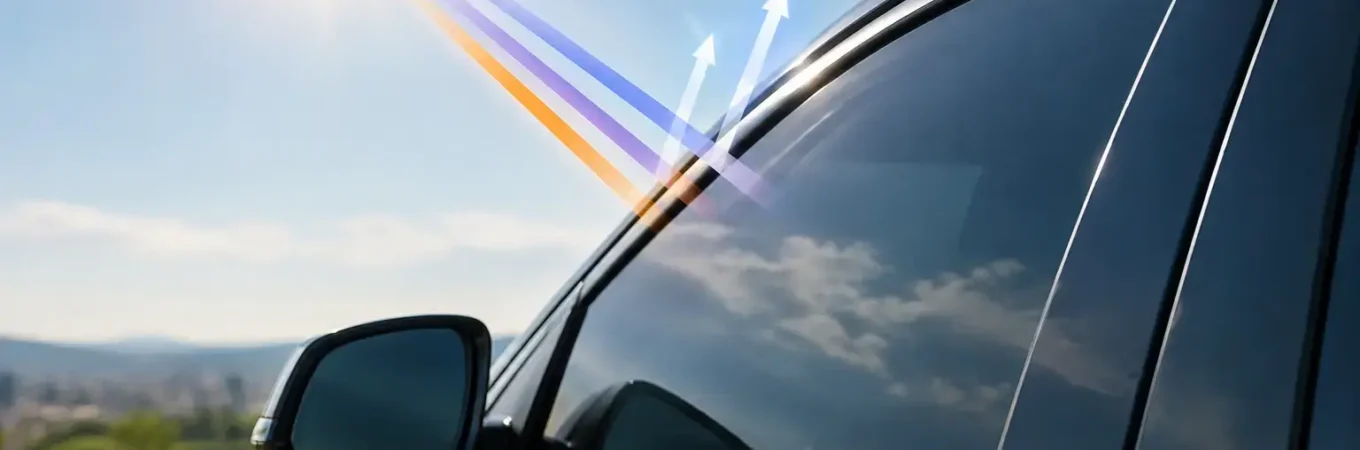
A dark window may look like it is doing all the work, but darkness alone does not tell you much about protection. Customers regularly ask, does tint block ultraviolet rays? The short answer is yes, quality window film can block the vast majority of UV rays. The better answer is that the film itself matters far more than how dark it looks.
Whether you are driving across Knoxville in afternoon traffic or trying to protect a sunny room at home, UV protection is one of the most practical reasons to invest in professional tint. It helps protect your skin, reduces fading inside your vehicle or property, and makes the space behind the glass more comfortable to use.
Does Tint Block Ultraviolet Rays in Every Shade?
Quality automotive, residential, and commercial window films are designed to reject up to 99% of harmful ultraviolet rays. That protection can be available in light, medium, and dark shades. In other words, a light ceramic film may offer excellent UV protection even when it does not create a dark, private look.
This is where many people get tripped up. Visible light transmission, often called VLT, measures how much visible light passes through the glass and film. A lower VLT means a darker appearance. It does not automatically mean better UV rejection.
A dark, low-cost dyed film may provide some UV protection, but its long-term performance and heat control can be limited. A premium carbon or ceramic film can provide strong UV protection at a lighter shade, along with better clarity and more consistent performance over time. If preserving your interior, protecting passengers, or reducing sun exposure is the goal, ask about the film specifications instead of choosing only by shade.
Why UV Protection Matters Behind Glass
Windows can make sunlight feel less intense than it really is. You may not feel the same direct heat that you would outside, yet ultraviolet exposure and sun damage can still be a concern. Different types of glass block different amounts of UV radiation, but factory glass should not be treated as complete protection.
In vehicles, prolonged sun exposure can fade upholstery, dry out leather, dull trim, and damage dashboards. It can also make the driver-side arm, face, and hands more exposed during long commutes and road trips. Window film adds another layer of protection where you spend real time every week.
For homes and businesses, the concern is usually the interior. Hardwood flooring, rugs, artwork, furniture, retail displays, and merchandise can all fade or discolor with repeated sunlight exposure. Film does not stop all fading, since visible light and heat also play a role, but UV reduction is a meaningful part of protecting the things you have paid for.
UV Rejection, Heat Rejection, and Privacy Are Different
All three benefits matter, but they are not interchangeable. UV rejection addresses ultraviolet rays. Heat rejection is largely tied to infrared energy and solar heat gain. Privacy comes from the film shade, reflectivity, and the difference between indoor and outdoor lighting.
That means you can choose a film that blocks significant UV without making the windows very dark. You can also choose a dark-looking film that adds privacy but does not deliver the same heat performance as a ceramic option. The right choice depends on what bothers you most about your windows.
If your vehicle feels hot after sitting in a parking lot, ceramic IR or ceramic ultra film may be the better fit because it is built to reject more heat along with UV. If you mainly want a clean appearance, privacy, and basic protection at an affordable price, carbon film can be a smart option. For property windows, the best film often depends on how much direct sun the room gets, the direction the windows face, and whether preserving the view is a priority.
What Type of Tint Offers the Best UV Protection?
A professionally installed film from a reputable manufacturer should clearly state its UV rejection rating. Look for a film rated to reject up to 99% of UV rays, then compare the other benefits that matter to you, including heat rejection, glare control, appearance, and warranty coverage.
Carbon film is a solid value for drivers who want a clean look, dependable UV protection, and less glare without stepping into a higher-priced ceramic package. It generally holds its color better than basic dyed film and gives many daily drivers the results they want.
Entry ceramic film is a good step up for customers who want strong UV protection with improved heat rejection. It is especially useful when you want a lighter legal shade but still want meaningful comfort during Tennessee summers.
Ceramic IR film offers stronger infrared heat rejection and is a practical choice for people who spend a lot of time behind the wheel. If your truck, SUV, or car has a dark interior, leather seats, or large windows, the extra heat control can make a noticeable difference.
High-end ceramic ultra film is built for customers who want maximum performance. It is often the best fit when heat reduction, clarity, UV protection, and long-term comfort are all high priorities. It costs more upfront, but it can be worth it for newer vehicles, luxury vehicles, frequent commuters, and high-sun property windows.
Does Factory Glass Already Block UV Rays?
Some factory automotive glass does block a portion of UV rays, particularly laminated windshields. Side and rear windows can vary substantially by vehicle, and untreated glass is not the same as professionally installed UV-rejecting film across the entire vehicle.
The same principle applies to homes and commercial properties. Modern windows may have coatings or insulated glass that improve energy performance, but their UV performance depends on the exact glass package. A tint professional can help identify where added film will make the biggest difference without changing the look of your property more than you want.
Do not assume that tinted-looking factory glass provides the protection or heat reduction of aftermarket window film. Privacy glass is often darkened glass, not film, and its performance can be very different from a quality tint installation.
Choosing the Right Shade Without Sacrificing Protection
The best tint is not always the darkest tint. Your choice should balance local tint laws, nighttime visibility, driving habits, privacy preferences, and your budget. A professional installer should walk you through the available shades and film tiers instead of pushing one product for every customer.
For side and rear vehicle windows, many drivers want a darker shade for privacy and glare reduction. For windshields and front windows, visibility and legal compliance deserve extra attention. A light, high-performance ceramic film can be a strong choice when you want UV and heat control without making the glass look overly dark.
For a living room, office, or storefront, lighter films are often popular because they preserve natural light while reducing glare and UV exposure. A more reflective or darker film may make sense for a room with intense afternoon sun, but it can change the exterior appearance and affect the view from inside. There is always a trade-off, which is why the film should match the window and the way you use the space.
Professional Installation Makes the Difference
Even the best film needs a clean, careful installation. Poorly installed tint can bubble, lift at the edges, trap debris, or create an uneven finish that takes away from the look of your vehicle or property. It can also make it harder to trust that the product is performing as expected.
At 865 Tint, the goal is straightforward: help Knoxville-area drivers, homeowners, and business owners choose a film that fits their needs and install it cleanly. Whether you need a two-window upgrade, full sides and rear coverage, windshield tint within legal limits, or film for a sun-heavy property, the right recommendation starts with how you use the space.
Sun damage happens slowly, often before you notice it. Choosing a quality UV-rejecting film now gives your vehicle or property a better chance to stay cooler, look better, and hold up well through the years ahead.