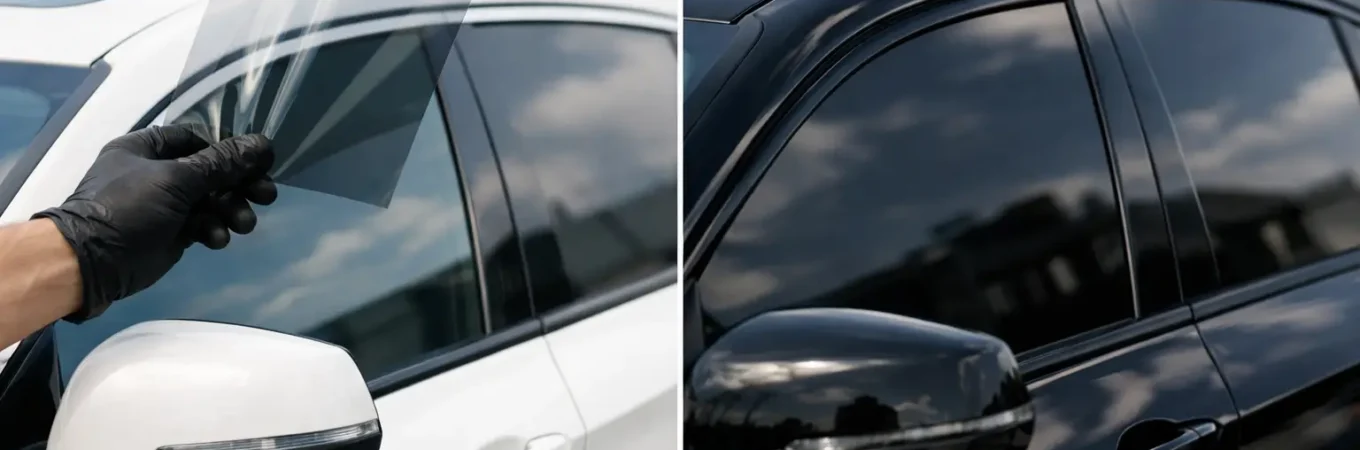
When people ask about ceramic tint vs carbon tint, they usually want a simple answer: which one is better? The honest answer is that one is not automatically better for every driver, vehicle, or budget. It depends on what matters most to you – lower cabin heat, price, appearance, signal friendliness, or long-term comfort.
If you are shopping for tint in Knoxville, this choice comes up all the time. Some customers want the clean look and privacy of a quality film without spending more than they need to. Others are tired of a blazing hot interior in July and want the strongest heat rejection they can get. Those are two different goals, and the right film should match how you actually use your car.
Ceramic tint vs carbon tint: the real difference
Carbon tint is a major step up from basic dyed film. It gives you a darker, richer look, helps reduce glare, blocks UV rays, and offers solid heat rejection at a more affordable price point. For a lot of drivers, that balance is exactly what they need.
Ceramic tint is the premium option. It is designed for stronger heat rejection, better clarity, and high performance without interfering with electronics like phones, GPS, radio, or keyless entry systems. If comfort is the priority, especially in a hot climate or on a vehicle with a lot of glass, ceramic usually pulls ahead.
That does not mean carbon is the budget compromise nobody should choose. Far from it. Carbon is a smart film for people who want quality, style, and everyday performance without paying for the highest-end upgrade. Ceramic is what you choose when you want to push performance further.
What carbon tint does well
Carbon film earns its place because it covers the needs most people care about. It improves privacy, cuts glare, protects the interior from sun damage, and gives the vehicle a clean, finished look. It also avoids the flat or faded appearance that lower-end film can develop over time.
For many daily drivers, carbon offers the sweet spot. You get a noticeable improvement in comfort and appearance without a premium-film price tag. If your car sits outside at work, if you want to protect your dash and seats, or if you just want your vehicle to look better and feel less harsh in bright sun, carbon can be a very practical choice.
It is especially appealing for customers tinting multiple windows or trying to stay within a set budget. Instead of stretching for the highest tier, they can still get a professional result with real benefits and reliable long-term value.
Where ceramic tint pulls ahead
Ceramic tint is built for customers who care about heat rejection in a bigger way. If you have ever opened your door after parking in full Tennessee sun and felt like the inside of the car was holding its own weather system, this is where ceramic makes sense.
The biggest advantage is comfort. A quality ceramic film helps reduce the amount of heat that comes through the glass, which can make a real difference in how fast your cabin heats up and how hard your AC has to work. That matters for long commutes, road trips, newer vehicles with large windshields, and anyone who simply wants the interior to stay more manageable in hot weather.
Ceramic also tends to maintain excellent visibility. You can get strong performance without sacrificing the clean look people want from a professionally tinted vehicle. And because ceramic film does not use metal, it will not create issues with electronic signals.
For drivers who plan to keep their vehicle for years, or who want the best day-to-day comfort they can get from a tint upgrade, ceramic is often worth the higher price.
Heat rejection is where the choice gets serious
A lot of people choose tint for appearance first, then realize heat control is what they care about most once summer hits. That is why this part matters.
Carbon tint helps with heat, but ceramic is usually better at blocking it. If your goal is to reduce that baked-in feeling after your car sits in a parking lot, ceramic gives you the stronger advantage. If your goal is more general comfort, glare reduction, and privacy at a lower cost, carbon may be enough.
This is where honest recommendations matter. Not every vehicle needs top-tier film. A weekend car that stays garaged is different from a daily driver parked outside all day. A truck with smaller glass area is different from an SUV, crossover, or Tesla-style glass-heavy cabin. The more sun exposure and glass you deal with, the more ceramic tends to make sense.
Appearance, shade, and clarity
From the outside, both carbon and ceramic can look excellent when installed right. Most customers are not going to stand ten feet away and say, “That one is definitely ceramic.” The bigger visual difference usually comes down to shade choice and installation quality, not just film category.
What people do notice is when tint looks clean, even, and well-finished. They notice when there are no peeling edges, no bubbling, and no purple fade a year later. Both carbon and ceramic can deliver a sharp appearance, but the craftsmanship matters as much as the film itself.
Inside the vehicle, ceramic often has an edge in clarity and comfort. That does not mean carbon looks bad. It means ceramic tends to feel more premium when you are behind the glass every day.
Price matters, and it should
There is nothing wrong with shopping based on budget. Tint is an upgrade, and people want to spend wisely.
Carbon tint is the better fit for customers who want strong value. It gives you a professional-grade improvement over lower-end options and covers the main benefits most drivers want. If you are tinting a work vehicle, a second car, or just want to improve comfort and looks without going all the way to premium film, carbon is often the right call.
Ceramic costs more because it does more. The question is not whether ceramic is more advanced. It is whether you will feel the benefit enough to justify the upgrade. If your car gets hammered by sunlight, if cabin heat drives you crazy, or if you want the best performing film option for the long haul, ceramic becomes easier to justify.
A good shop should help you compare those options clearly instead of pushing the most expensive film every time.
Which one makes more sense for your vehicle?
If you want a simple way to think about ceramic tint vs carbon tint, start with your priorities.
If your top goals are affordability, appearance, privacy, and everyday sun protection, carbon is a strong choice. It gives you a quality look and real performance without overspending.
If your top goals are maximum comfort, stronger heat rejection, premium performance, and the best overall driving experience in hot weather, ceramic is usually the better investment.
There are also middle-ground buyers. Some people know they want better than entry-level film, but they do not need the highest tier available. That is where talking through your vehicle, your driving habits, and your budget helps narrow the decision fast.
It is not just about the film
The ceramic vs carbon question matters, but installation quality matters just as much. Even a premium film can disappoint if it is installed carelessly. Clean edges, proper shrinking, dust control, and damage-free application all affect how the tint looks and how well it holds up.
That is one reason customers work with a dedicated tint shop instead of treating tint like an afterthought. The film you choose is only part of the result. The workmanship is what turns that choice into something you are happy to look at every day.
At 865 Tint, this is the kind of conversation we keep straightforward. We want customers to understand what they are paying for, what difference they will actually feel, and which option fits their vehicle best.
If you are stuck between the two, the best move is to stop asking which film sounds better on paper and start asking which one fits your real needs. The right tint should make your vehicle look better the first day, feel better all summer, and still make sense when you look back at what you spent.
Comments (4)
Vehicle Tint Removal Process Explained Clearly – 865 Tint
1 September 26 7:04 am[…] is also common before installing a better film. If you are upgrading from basic film to carbon or ceramic tint, the old material has to come off completely. Tint should be installed directly on clean glass, not […]
Windshield Film Review: Is It Worth It in Knoxville? – 865 Tint
13 September 26 3:14 am[…] every film is built for the same job. Carbon and ceramic films can both improve glare control and UV protection, but their performance and cost are […]
When to Replace Bubbling Window Tint on Your Car – 865 Tint
7 October 26 3:20 am[…] Age is one of the most common causes. Even decent film eventually wears down after years of sunlight and temperature changes. Lower-quality dyed film may fade to purple, turn hazy, or bubble sooner than premium carbon and ceramic options. […]
How to Apply UV Window Film Without Costly Mistakes – 865 Tint
15 October 26 3:04 am[…] best choice for drivers or property owners focused on heat control and long-term color stability. Carbon and ceramic films are stronger options when performance matters. Ceramic IR and premium ceramic films are built for […]