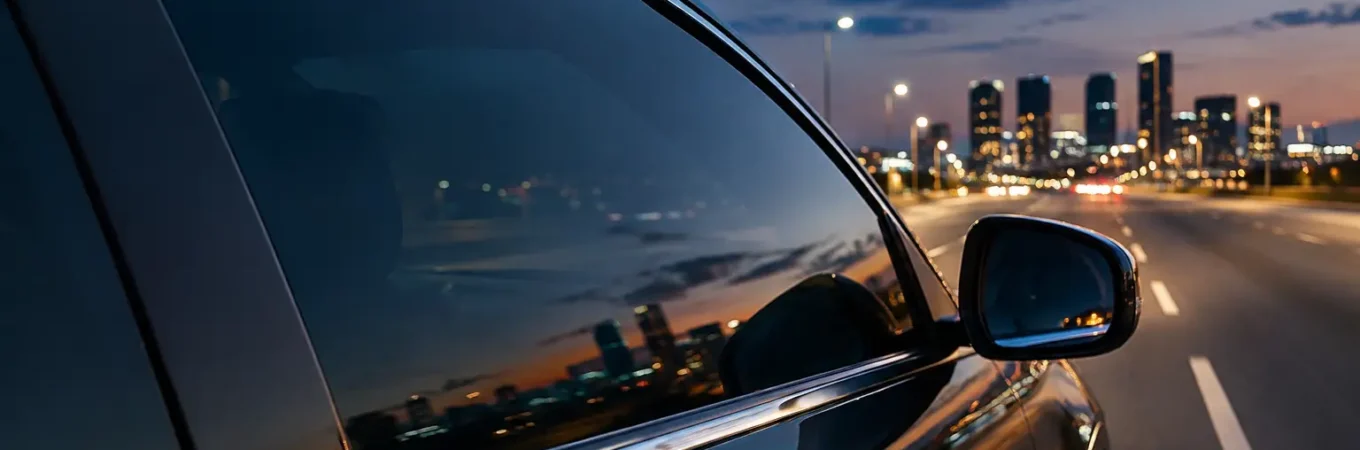
Pulling out of a brightly lit parking lot onto a dark Knoxville back road is where window tint gets real. Are tinted windows safe nighttime? They can be, but the answer depends heavily on how dark the film is, the quality of the installation, the roads you drive, and your own comfort behind the wheel after sunset.
Good tint should make driving more comfortable without making the road harder to see. The right film can reduce daytime glare, protect your interior, and improve privacy. Go too dark for your driving habits, though, and rain, unlit roads, pedestrians, and poorly marked turns can become harder to pick up at night.
Are Tinted Windows Safe at Night?
Tinted windows are generally safe at night when the film leaves enough visible light transmission for the driver to see clearly in low-light conditions. That is the key point: tint does not create danger on its own. Excessively dark tint, poor film quality, or a bad match between the tint and the driver’s normal routes can.
Every vehicle already has glass that absorbs some light. Factory privacy glass on many SUVs and trucks can look dark from the outside, but it is not the same as window film and often does little to reduce light entering the cabin. Adding film on top of factory privacy glass can make the final result much darker than expected.
At night, your eyes are working with less information. Streetlights, headlights, reflective signs, and the contrast between bright and dark areas help you judge distance and spot movement. Dark film reduces the amount of light reaching your eyes through the side and rear windows. On a well-lit interstate, that may not bother you. On a rainy East Tennessee road with no shoulder lighting, it may be a different story.
This is why a professional tint consultation should be about more than appearance. A shade that looks great in a photo may not be the best everyday choice for someone who commutes before sunrise, works late shifts, or regularly drives rural roads.
What Makes Night Driving Harder With Tint?
The number on the film matters, but it is not the whole story. A lower visible light transmission percentage means a darker film. For example, 5% film is much darker than 35% film because it lets far less light through. The darker the film, the more likely it is to affect night visibility through that window.
Conditions matter just as much. Dark tint can feel perfectly manageable on dry roads in town, then feel much darker during a thunderstorm or on a foggy evening. Wet pavement reflects headlights and streetlights, creating glare and reducing contrast at the same time. A dark side window can make it harder to see a cyclist, a pedestrian, a curb, or an approaching vehicle when making a turn.
Your vehicle design also plays a role. Modern vehicles with large mirrors, backup cameras, parking sensors, and bright LED headlights can make some situations easier. They do not replace a clear view through the glass. Cameras can get dirty, sensors have limits, and mirrors have blind spots. Drivers still need usable side and rear visibility.
Age and eyesight are part of the conversation, too. Most drivers need more light to see clearly as they get older, especially when dealing with glare from oncoming headlights. That does not mean tint is off the table. It may simply mean choosing a lighter shade or prioritizing heat-rejecting ceramic film instead of chasing the darkest possible look.
Darker Film Is Not the Only Way to Get Benefits
A common misconception is that the darkest tint is automatically the best tint. It is not. Darkness primarily affects privacy and appearance. Premium film technology can provide major heat and UV benefits without forcing you into a shade that feels uncomfortable after dark.
Carbon film is a solid option for drivers who want a clean look, privacy, and dependable performance at an affordable price. Ceramic film steps up heat rejection and can help keep the cabin more comfortable during Tennessee summers. Ceramic IR and higher-end ceramic options are designed for drivers who want stronger infrared heat rejection while preserving a lighter, more night-friendly appearance.
That difference matters if you want relief from a hot steering wheel, fading interior materials, and harsh afternoon sun but still need to see confidently after dark. You can often choose a lighter visible shade and still get far better performance than basic dyed film.
Film quality also affects how the glass looks. Cheap or poorly installed film can develop haze, distortion, bubbles, peeling edges, or uneven color over time. Any of those issues can be distracting at night, especially when headlights shine through the glass. Clean preparation, proper installation, and a quality film make a real difference in both appearance and visibility.
Choosing a Safe Tint Shade for Your Driving Routine
There is no single best shade for every Knoxville driver. The right choice comes down to how and where you use your vehicle.
Someone who mostly drives during the day, parks outdoors, and wants more privacy may be comfortable with a darker legal side-window option. A driver who spends hours on the interstate at night may prefer a medium shade that keeps the vehicle looking sharp without noticeably reducing visibility. For a family vehicle, a lighter ceramic film may offer the best balance of heat control, UV protection, and confidence during nighttime lane changes or school pickup runs.
Think honestly about the roads you travel most. Downtown streets and major highways have more lighting than winding roads outside the city. If your commute includes rural routes, frequent rain, steep driveways, or late-night work shifts, erring lighter is usually the smarter call.
It also helps to consider the entire vehicle instead of choosing one shade in isolation. A dark rear window combined with dark factory privacy glass and a dark cabin can feel significantly different from the same film on a sedan with clear glass. A professional installer can explain how the finished tint will look and perform on your specific make and model.
Windshield Tint Needs Extra Care
Windshield tint has the biggest potential effect on nighttime visibility because it is directly in the driver’s forward view. Windshield tint rules are also stricter than rules for side and rear windows, and legal requirements can vary by state and vehicle type.
Even a light windshield film can change how you perceive glare, reflections, and low-light contrast. Some drivers appreciate the reduction in harsh daytime brightness, while others prefer to keep their windshield completely clear and focus tint performance on the sides and rear. The right decision depends on the film, the shade, local requirements, and how much night driving you do.
Do not make this choice based on social media photos alone. Ask what the film will look like from inside the vehicle at night, not just how it looks from the curb during the day. A quality shop should be straightforward about the trade-offs and help you stay within applicable tint laws.
How to Tell if Your Tint Is Too Dark for You
Your own driving experience is the best test. If you find yourself rolling down the side windows to back out of a parking space, leaning forward to see around corners, or avoiding lane changes because you cannot clearly check beside you, the tint may be too dark for your needs.
Pay attention after rain and during the first few weeks following installation. Your eyes may need a little time to adjust, but you should not have to fight the glass to see. Headaches, eye strain, hesitation at intersections, or difficulty spotting people in parking lots are signs worth taking seriously.
If the issue is old film that has turned purple, hazy, scratched, or bubbled, professional tint removal may improve your visibility immediately. Removing aging film carefully matters. Scraping or using the wrong tools can damage rear defroster lines, leave adhesive behind, or create a bigger problem than the original tint.
A Better Way to Balance Privacy and Visibility
The best tint job is one you enjoy every mile, not one you second-guess after sunset. For many drivers, that means selecting a legal, moderate shade on the front windows and choosing higher-performance ceramic film for heat rejection rather than relying on maximum darkness.
It also means working with an installer who asks about your vehicle, your commute, and what you want from the film. At 865 Tint, the goal is to help Knoxville drivers choose a tint package that looks right, performs well, and fits real life behind the wheel.
If nighttime visibility is already a concern, choose comfort over the darkest look. A professional tint job should give you cooler drives, better privacy, and protection from the sun while still letting you feel confident when the road gets dark.
1 Comment
How to Reduce Car Glare With Tint Safely – 865 Tint
29 September 26 3:12 am[…] the darkest possible tint. A very dark film may feel comfortable in direct sun, but it can reduce visibility after dark, especially on unlit East Tennessee roads or during heavy rain. The right shade depends on where […]