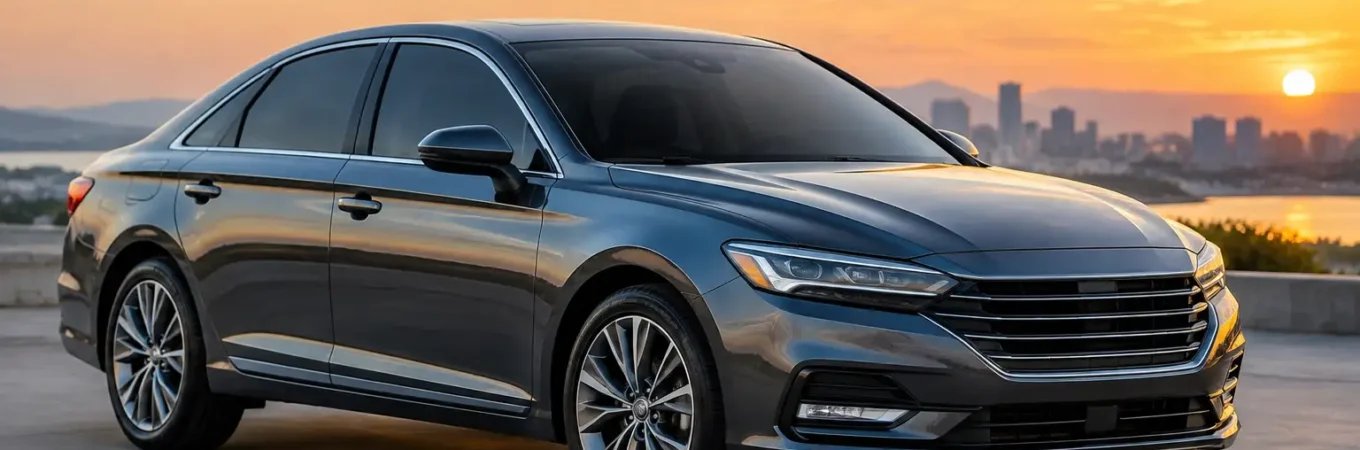
A sedan can look completely different after a quality tint job, but darker is not automatically better. The best tint shades sedans need depend on how you drive, where you park, how much privacy you want, and what is legal on Tennessee roads. A clean, legal shade paired with the right film can cut glare, protect your interior, and make every commute more comfortable without making nighttime driving a hassle.
For Knoxville drivers, the right answer is often a balance: enough shade to handle bright East Tennessee sun and add privacy, but not so dark that visibility or compliance becomes a problem.
Best Tint Shades for Sedans: Start With VLT
Tint shade is measured by visible light transmission, or VLT. This is the percentage of visible light that can pass through the glass and film together. The lower the number, the darker the tint.
A 50% tint is light and subtle. A 35% tint is noticeably shaded while still offering a fairly open view from inside the car. At 20%, the sedan takes on a darker, more private appearance. A 5% tint is commonly called limo tint because very little light gets through.
One detail drivers often miss: factory glass already affects the final reading. A film labeled 35% does not necessarily mean the finished window will measure exactly 35% once it is installed over the existing glass. A professional installer accounts for that instead of guessing.
The Most Popular Sedan Tint Shades
35% tint: a smart everyday choice
For many sedan owners, 35% is the practical middle ground. It changes the appearance of the car without making the cabin feel closed in, and it can provide meaningful glare reduction on morning and afternoon drives.
This shade works especially well for commuters, families, and drivers who spend time on poorly lit roads after dark. It also gives a refined look on lighter-colored sedans, where an extremely dark tint can sometimes feel out of place. If you want a visible upgrade without going too aggressive, 35% deserves a close look.
20% tint: privacy with a bold finish
Twenty percent is one of the most requested shades because it creates real privacy while still being usable for many drivers. From outside, it gives the sedan a clean, darker profile. From inside during daylight, visibility remains workable, though it will feel noticeably darker than 35%.
This is often a good fit for drivers who park at work, keep valuables out of sight, or simply want the more customized look that darker glass provides. The trade-off is nighttime visibility, especially in rain or on unlit back roads. If most of your driving is during the day or in well-lit areas, 20% may be your preferred look. If you regularly navigate dark rural roads, a lighter option can be the safer call.
15% tint: for drivers who want more privacy
Fifteen percent gives a sedan a deeper, more private appearance than 20%. It can help reduce the feeling that everyone at a stoplight can see into the cabin, and it pairs well with black, gray, blue, and darker factory paint colors.
Still, this is where visibility becomes a bigger consideration. Backing out at night, checking mirrors in the rain, and seeing pedestrians in dim parking lots all require more attention. It can be a great choice for the right driver, but it is not the best default for everyone.
50% tint: light shade, real comfort
A lighter tint does not mean you are giving up the benefits. Fifty percent can reduce glare and help with UV protection while preserving a brighter cabin and easy nighttime visibility. It is a strong option for drivers who want a factory-plus appearance, for front windshield strips where permitted, or for a sedan that already has darker factory privacy glass in the rear.
A light shade becomes even more valuable when it is paired with a higher-performing ceramic film. You can prioritize heat rejection without making your windows very dark.
What About 5% Limo Tint?
Five percent tint delivers maximum privacy and a dramatic look, but it comes with significant drawbacks. It can make night driving, reversing, and seeing through side mirrors much more difficult. It can also create legal problems depending on the vehicle and placement.
For a daily-driven sedan, 5% is usually better considered carefully rather than chosen just because it looks good in photos. If privacy is your main concern, 15% or 20% may offer a better everyday balance. A professional shop can also discuss legal shade combinations that create a dark overall look while keeping the car more practical to drive.
Tennessee Tint Law Matters Before You Choose
The best shade is not a good choice if it puts you outside state requirements. Tennessee window tint rules for passenger sedans generally limit how dark tint can be on the front side windows, rear side windows, and rear glass. Windshield tint is typically limited to a non-reflective strip at the top of the windshield rather than full windshield coverage.
Rules can change, and details such as vehicle classification, film reflectivity, existing glass, and medical exemptions can affect what is allowed. That is why it pays to discuss your vehicle with a local tint specialist before installation. A shop that works on Knoxville-area vehicles every day can help you select a shade that looks right and respects current requirements.
Shade Is Only Half the Decision
Two sedans can have the same 35% shade and feel completely different in the summer. That is because film technology matters just as much as darkness.
Carbon film is a solid value choice for drivers who want a cleaner appearance, privacy, and dependable glare reduction. It is a practical upgrade for a daily driver and avoids the purple, faded look associated with cheap dyed film.
Ceramic film is built for drivers who care more about heat control. Entry ceramic and ceramic IR options can reject more heat than basic film while maintaining a clear view. That matters when your sedan sits in a Knoxville parking lot during July or when your commute puts the sun directly on one side of the cabin every afternoon.
High-end ceramic ultra film is for owners who want the strongest heat rejection and UV protection available without needing the darkest legal shade. A lighter ceramic film can often keep the cabin more comfortable than a much darker low-performance film. That is a useful trade-off for drivers who need better nighttime visibility but still want serious comfort.
Choose Based on How You Actually Drive
The right tint shade is personal, but your routine gives you the answer. A commuter who drives before sunrise and after sunset may be happiest with 35% and a quality ceramic film. A driver focused on privacy and appearance may lean toward 20%, provided it fits legal requirements and nighttime visibility needs. Someone with a new sedan and leather interior may choose a lighter ceramic option for UV and heat protection first.
Think about passengers, too. If children ride in the back seat, reducing heat and glare can be more useful than going as dark as possible. If you use your sedan for rideshare work, a medium shade may feel more welcoming while still improving comfort. If the vehicle spends most of the day outdoors, film performance deserves as much attention as the number printed on the box.
Professional Installation Keeps the Finish Clean
A quality tint job should look intentional, not improvised. Clean edges, smooth coverage, and properly prepared glass make a major difference in how the finished sedan looks. Professional installation also helps prevent bubbling, peeling, contamination, and damage during future tint removal.
At 865 Tint, the goal is to help drivers choose a film and shade that fits their car, budget, and daily routine instead of pushing one option on everyone. Whether you want a subtle 35%, a private 20%, or premium ceramic heat rejection, the best result starts with an honest conversation about how you use your sedan.
Before choosing the darkest shade on the chart, sit in a tinted sedan after dark if you can. The tint you still feel confident driving with on a rainy Knoxville night is usually the one you will enjoy for years.