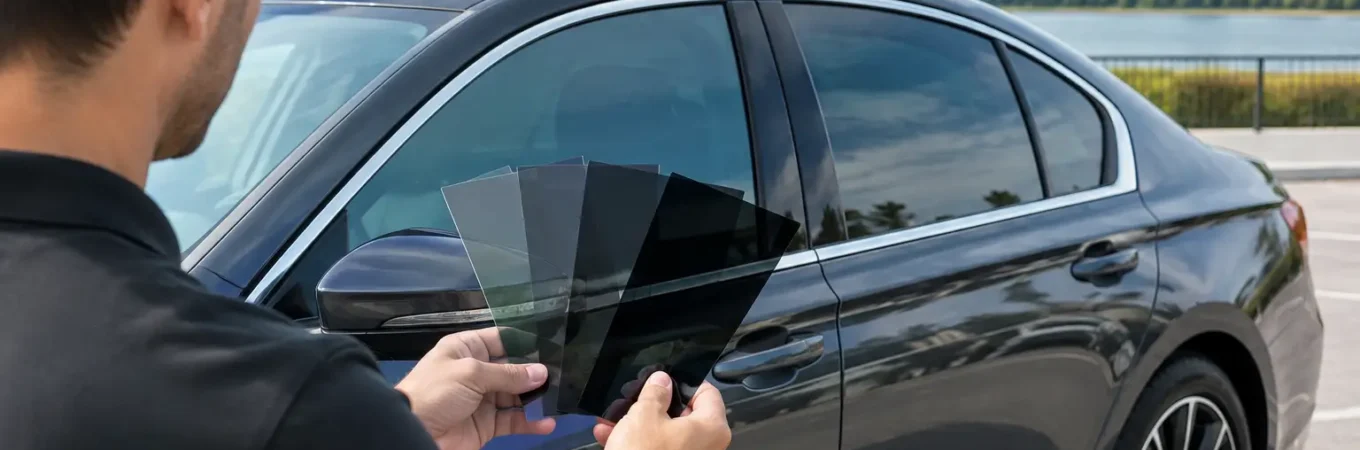
A good sedan tint example is not just a dark car in a parking lot. It is a sedan where the shade fits the vehicle, the driver can still see comfortably, and the film delivers real heat and glare reduction. A clean tint job can make a daily-driver Camry, Accord, Altima, Charger, or BMW look sharper while helping protect the interior from Tennessee sun.
The best choice depends on what you want most: a darker appearance, more privacy, lower cabin heat, better visibility, or a balanced mix of all four. Here is how to look at sedan tint examples in a practical way before choosing your film and shade.
What a Good Sedan Tint Example Looks Like
Picture a silver four-door sedan with medium-dark film on the side and rear windows. From outside, the car has a more finished, upscale look. Inside, the driver still has clear visibility during the day, while passengers get more privacy and less glare. That is the goal for most sedan owners – clean appearance without making the car difficult to drive or live with.
The tint should look even from every angle. There should be no fingers along the edges, trapped debris, bubbling, lifting corners, or uneven shade from one window to the next. On a sedan, consistency matters because the large rear glass and multiple side windows make installation flaws easy to spot.
A professional installation also follows the natural lines of the vehicle. The film is precisely cut and carefully applied around the window seals, rear defroster lines, and curved back glass. The result should look like it came with the car, only better.
Common Sedan Tint Shade Examples
Window tint is usually described by visible light transmission, or VLT. A lower number means a darker film because less visible light passes through the glass. The exact legal limits can vary by window and location, so it is smart to confirm what is permitted before choosing a shade.
Light, factory-style tint
A lighter shade is a solid choice for drivers who want more comfort without changing the look of the car too dramatically. It can reduce glare and UV exposure while keeping the cabin bright and easy to see out of at night.
This option works well for commuters, drivers with frequent nighttime travel, and anyone who wants a subtle upgrade. On white, silver, champagne, and light-blue sedans, a lighter film can look especially clean because it adds contrast without making the windows appear overly dark.
Medium tint for everyday privacy
Medium tint is one of the most popular sedan choices because it gives the car a noticeably more customized appearance while still feeling practical. It offers better daytime privacy than a light film and can make the interior feel less exposed in traffic or parking lots.
This is often the sweet spot for an owner who wants their sedan to look better every day, not just at a car meet. It complements almost any paint color and works particularly well on black, gray, red, and dark-blue vehicles.
Darker rear and side glass
Some sedan owners prefer a darker overall look, especially on the rear doors and back glass. This setup can provide more privacy for passengers, belongings, child seats, and electronics stored in the back. It also gives a sedan a more aggressive, uniform finish.
The trade-off is nighttime visibility. Darker film may be less comfortable if you drive often on unlit back roads, in heavy rain, or through poorly lit parking areas. A skilled tint shop can help you find a shade that delivers the look you want without creating an unpleasant driving experience.
Front Windows, Rear Windows, and Windshield Tint
A sedan does not have to use the same film everywhere. In fact, many of the best-looking setups are selected window by window.
Front doors are where visibility matters most. A driver may choose a lighter legal shade here for a clean match and easy nighttime driving. Rear doors and rear glass can often be tinted darker for additional privacy and heat control, depending on local regulations.
Windshield tint needs extra care. A windshield strip across the top can help with harsh sun glare during morning and late-afternoon drives. Some drivers also ask about clear heat-rejecting windshield film. Clear ceramic options can reduce infrared heat and UV exposure without giving up the open visibility that makes the windshield so important.
For Knoxville drivers, that comfort matters. East Tennessee summer heat, bright afternoons, and stop-and-go traffic can make a sedan cabin feel hot fast. The right film helps reduce the sun load before the air conditioning has to work overtime.
The Film Matters as Much as the Shade
Two sedans can have the same visible tint shade and perform very differently. That is because darkness and heat rejection are not the same thing.
Carbon film is a practical upgrade for drivers who want a clean look, UV protection, and dependable performance at an affordable price. It is a good fit for many daily drivers and straightforward tint packages.
Entry-level ceramic film takes heat reduction further. It is a strong option for sedan owners who spend a lot of time commuting, have dark interiors, or want better comfort without jumping to the highest price point.
Ceramic IR and ceramic ultra films are built for drivers who want serious heat rejection. These premium films can make a meaningful difference in how the vehicle feels after sitting in the sun, especially on black or dark-colored sedans. They are also a smart choice when you want a lighter-looking tint that still performs well, since premium ceramic technology can reject heat without relying only on darkness.
That last point is worth remembering: if your main goal is a cooler cabin, choosing the darkest film is not always the answer. A quality ceramic film in a moderate shade may be more useful than a darker basic film.
How Color Changes a Sedan Tint Example
The same window film can look different depending on the car. A dark tint on a black sedan creates a sleek, low-profile appearance. On a white sedan, it creates high contrast and makes the glass stand out. On silver and gray cars, medium tint often delivers a clean OEM-plus look that feels customized without being loud.
Interior color also changes the result. A tan or light-gray interior is easier to see through from outside than a black interior, even with identical film. If privacy is your top priority, that is something to consider when comparing photos or vehicles.
The best way to choose is to look at sedans with similar paint and interior colors to yours. A shade that looks perfect on a black interior sports sedan may not give the same appearance on a beige-interior family car.
What to Ask Before Tinting Your Sedan
Before booking, think about where and when you drive. If you commute before sunrise, work late, or frequently drive rural roads, visibility deserves more weight in your decision. If your sedan spends long hours outside at work, school, or home, heat rejection and UV protection may be the bigger priority.
It also helps to be clear about the look you want. Do you want factory-subtle, balanced and private, or dark and sporty? A good installer can show you options and explain how each film tier affects appearance, comfort, and cost.
Ask about the film warranty, the installation process, and aftercare. Fresh tint needs time to cure, so it is normal to see some moisture or slight haziness shortly after installation. Avoid rolling the windows down until your installer says it is safe. This gives the film time to bond properly and helps protect the finished edges.
A Balanced Choice for Most Sedan Owners
For many drivers, the strongest sedan setup is a legal, medium-looking shade on the doors and rear glass paired with ceramic film. It creates a sharp appearance, improves privacy, cuts glare, and provides comfort during hot Knoxville summers without sacrificing the everyday usability of the car.
If you want a more subtle result, choose a lighter ceramic film. If privacy and a bold look matter most, a darker rear setup may make sense where allowed. The right answer is not the same for every sedan, but it should always look clean, drive comfortably, and fit how you use your vehicle.
A tint job should make getting into your sedan feel better every time you open the door – cooler, more private, and more like your car.