
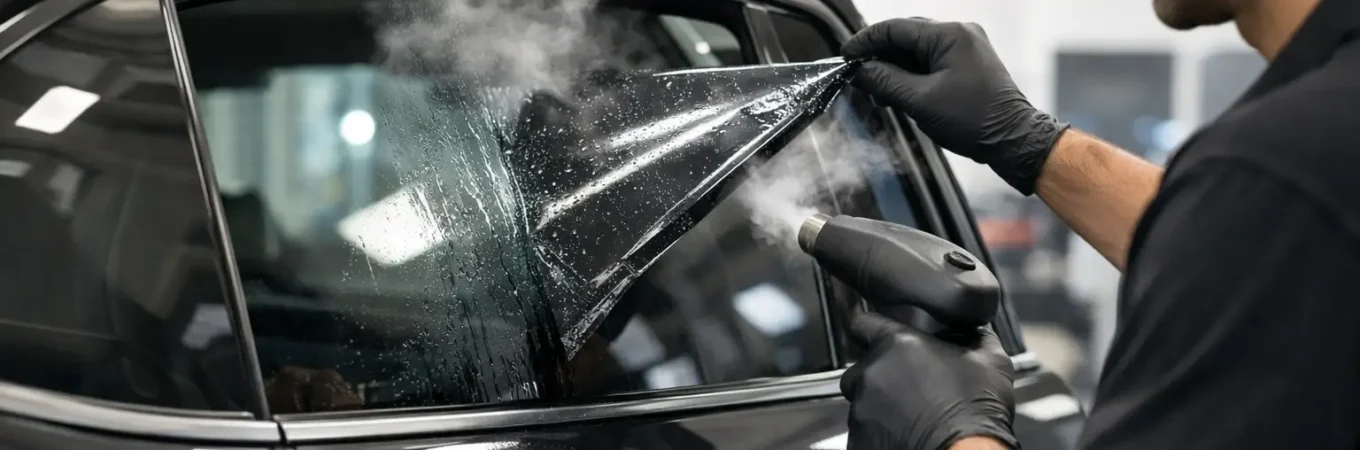
Bubbling film, purple windows, and peeling edges can make an otherwise clean vehicle look neglected fast. If you are searching for tint removal near me around Knoxville, the goal is not simply getting the old film off the glass. The real goal is removing it without leaving adhesive behind, scratching the window, damaging defroster lines, or creating a bigger job before new tint goes on.
Professional tint removal is one of those services that looks simple from the outside but can get complicated quickly. Quality work saves time, protects your vehicle, and gives you a clean starting point whether you plan to leave the glass clear or upgrade to fresh film.
When Old Window Tint Needs to Go
Window film does not last forever, especially when it was installed years ago, exposed to heavy sun, or applied with lower-quality materials. Heat, UV exposure, moisture, and age eventually break down the adhesive and the film itself. In East Tennessee, a vehicle that spends most days in a driveway, parking lot, or on the road can show that wear sooner than expected.
The most obvious sign is bubbling. Once the adhesive begins failing, small bubbles can spread across the window and make visibility worse. Purple or brown discoloration is another common issue. That color change usually means the dye in older film has degraded, so the tint no longer looks right or performs the way it should.
Removal is also a smart call when the film is too dark for your needs, was installed unevenly, has scratches, or blocks visibility at night. Some drivers remove tint before selling a vehicle, while others want a better-quality ceramic film that helps with heat reduction without making the glass excessively dark.
Why Professional Tint Removal Is Worth It
There is no shortage of online videos showing people pulling tint off with a razor blade and a bottle of cleaner. Sometimes that works on a small side window with newer film. It can also leave behind a sticky mess that takes hours to clean up.
The biggest concern is the rear glass. Most vehicles have defroster lines built into the inside of the back window. Aggressive scraping, harsh chemicals, or pulling old film away too quickly can damage those lines. Once a defroster grid is damaged, repairs are not always simple or invisible.
A professional uses controlled heat, the right removal methods, and proper tools for the condition of the film and type of glass. The process is about releasing the adhesive rather than fighting it. That matters because leftover glue attracts dust, looks hazy, and can prevent new tint from bonding correctly.
A clean removal should leave the glass clear, smooth, and ready for whatever comes next. It should not leave adhesive streaks around the edges, scratched glass, torn seals, or damaged rear-window defrosters.
What Happens During a Professional Removal
Every vehicle is different. Film that is only a few years old may release in large pieces, while old, baked-on tint may separate from its adhesive layer and require more detailed cleanup. A good tint shop checks the condition before promising a timeline or price.
The work typically begins by softening the film and adhesive with carefully managed heat. The technician lifts the film without forcing it, working in sections to reduce the chance of tearing or pulling at sensitive areas. Once the film is off, any remaining adhesive is treated and removed from the glass.
The final cleanup is where quality shows. A professional should inspect the corners, window edges, and rear defroster area for residue. If you are having new film installed afterward, the glass must be fully clean before the new tint goes on. Skipping this step can lead to contamination, visible debris, and poor adhesion under the replacement film.
Removal time depends on the vehicle and the condition of the existing tint. A single window with newer film is different from a full sides-and-rear removal on an older vehicle with purple, bubbling tint. Rear glass often takes the most care because of the defroster lines.
Tint Removal Near Me: What Affects the Price?
When comparing local tint removal, be cautious about choosing based on the lowest number alone. The condition of the film is usually the biggest pricing factor. A shop cannot know exactly how much adhesive cleanup is required until it sees what is on the glass.
The number of windows matters, along with whether the windshield has a tinted strip or the vehicle has a large rear window. Film that comes off cleanly takes less labor than film that tears into tiny pieces and leaves hardened glue behind. Specialty glass, older vehicles, and defroster-equipped rear windows can also require extra attention.
The most useful question is not just, “What does tint removal cost?” Ask what the service includes. Does the quoted price cover adhesive removal? Will the shop inspect the defroster lines? Is the glass being prepared for a new tint installation? Straight answers up front help you compare the real value of the service.
Should You Remove Old Tint Yourself?
For a small side window with lightly aged film, a careful DIY attempt can be tempting. But it is worth knowing the trade-off: you may save money on the first step and spend far more time dealing with glue, residue, and cleanup afterward.
DIY removal is especially risky on rear windows. Defroster lines are easy to damage, and the adhesive often does not release evenly. Using metal blades on the wrong surface can scratch glass or create permanent marks. Strong household chemicals can also affect interior trim, seals, and electronics if used carelessly.
If the film is bubbling, turning purple, cracking, or separating in layers, professional removal is generally the better route. Those are signs that the job will likely involve more than simply peeling a corner and pulling.
Choose a Shop That Treats Removal as Skilled Work
Tint removal is not an add-on that should be rushed between unrelated auto repairs. Look for a local specialist that works with window film every day and understands the difference between removing tint from a front door window and removing failed film from a rear windshield.
A reliable shop should be easy to reach, clear about scheduling, and willing to discuss the condition of your tint before starting. You should also expect an honest conversation if there is a risk associated with very old film or previously damaged defroster lines. No one can reverse damage that was already there, but a careful technician can avoid making the situation worse.
Local experience matters, too. Knoxville drivers deal with summer heat, glare, and long commutes across the area. A shop that specializes in tint can help you decide whether clear glass is the right next move or whether replacement film better fits your comfort, privacy, and appearance goals.
Planning to Retint After Removal?
Removing failed film is the perfect time to improve the way your vehicle looks and feels. If heat reduction is your priority, ceramic film is worth considering. It can help reduce heat and glare while offering a clean appearance. Carbon film remains a solid option for drivers who want dependable style and privacy at a more budget-friendly price.
The best choice depends on your vehicle, how much time you spend driving, where you park, and the look you want. A daily commuter may value heat control and reduced glare, while an enthusiast may care most about appearance and a clean, consistent finish. A professional shop can explain the film options without pushing you into upgrades that do not fit your needs.
At 865 Tint, removal and replacement are handled with the same focus on clean workmanship, responsive service, and straightforward options. Whether you need one window fixed or a full tint refresh, starting with properly cleaned glass makes the finished result look better and last longer.
Old tint does not have to stay on your vehicle until it becomes an eyesore or visibility problem. Choose a local tint specialist that takes the time to remove it carefully, then enjoy the clear view and clean finish your vehicle deserves.