If you have ever gotten one tint quote for a basic two-window setup and another for a full ceramic package, you already know the price gap can be bigger than expected. That is why car tint package pricing explained matters before you book. The number on the quote is not just about dark glass – it reflects how many windows are being tinted, what film is being used, how much heat rejection you want, and how much labor your vehicle requires.
A good tint shop should make pricing feel straightforward, not mysterious. You should know what you are paying for, what is included, and where an upgrade actually makes sense for the way you drive in East Tennessee.
What goes into car tint package pricing explained
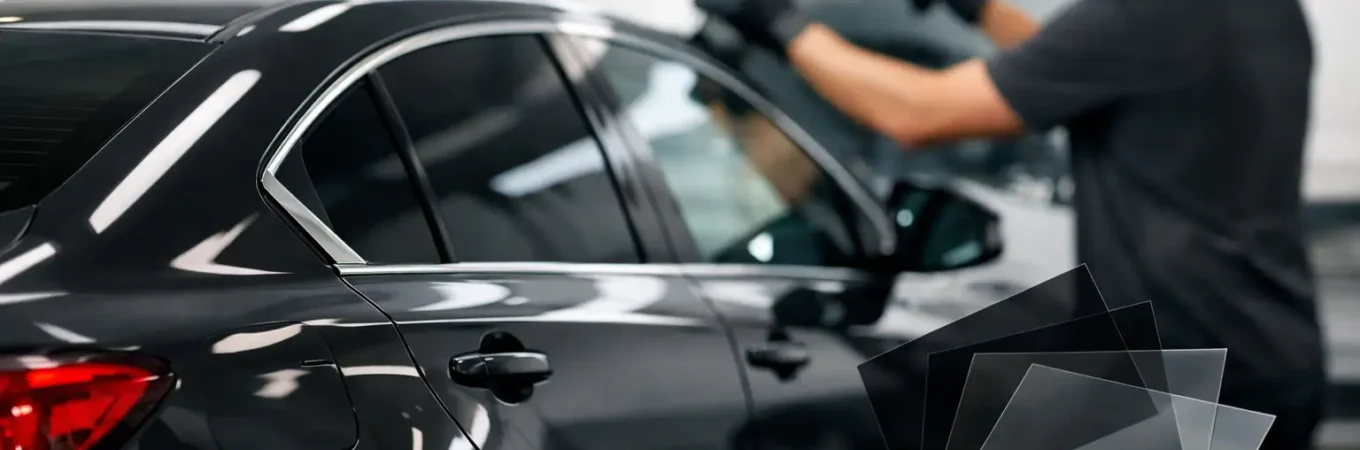
Tint pricing usually starts with the package itself. Most shops do not price every car exactly the same way because not every job is the same. A two-front-window package is naturally going to cost less than tinting the full sides and rear glass. Add a windshield strip or full windshield tint, and the total changes again.
From there, film type has a major impact. Basic dyed or carbon options usually cost less than ceramic films. Entry ceramic is often the middle ground for drivers who want better heat control without jumping straight to the highest price tier. Ceramic IR and premium ceramic products cost more because they are built for stronger heat rejection, better clarity, and longer-term performance.
Vehicle shape matters too. A compact sedan is typically simpler than a large SUV or a vehicle with steep rear glass, extra quarter windows, or tight seals. More complex glass means more installation time, and labor is part of the price whether customers think about it or not.
Why some tint packages cost a lot more than others
The biggest reason is performance. Two cars can look similar from the outside and still have completely different tint packages. One may have a basic film chosen mainly for appearance and privacy. The other may have a ceramic package selected to cut glare, reduce cabin heat, and help protect the interior from UV exposure.
That difference shows up on hot Knoxville afternoons. If your car sits outside at work, or you spend a lot of time commuting, the jump from a lower-tier film to ceramic can feel worth it fast. If your main goal is simply to match the rear factory glass on the front doors, a simpler package may do the job without overspending.
This is where honest pricing matters. Higher cost is not automatically better for every driver. The best package is the one that fits how you use the vehicle, where you park it, and how much heat protection you actually want.
Common package types and what they usually include
Most vehicle tint pricing falls into a few practical categories. The first is the two-window package, usually the front driver and passenger windows. This is popular for drivers who want a cleaner, more uniform look with factory rear privacy glass already in place.
The next step is the full sides-and-rear package. That usually covers all side windows plus the back glass. For many customers, this is the most balanced option because it improves privacy, helps with heat reduction, and gives the car a finished look.
Then there is windshield tint, either as a brow across the top or as a full windshield application where legal and appropriate. This can make a noticeable difference in glare and front-cabin heat, especially when paired with ceramic film.
Tint removal is often priced separately. If old film is purple, bubbling, peeling, or leaving adhesive behind, removal adds labor before new film can even go on. Clean, damage-free removal is one of those services people appreciate more after they have seen a rushed job go wrong.
Film type changes the price more than most people expect
If you are comparing quotes, film tier is one of the first things to check. A lower quote may not be lower because the shop is more efficient. It may be lower because it uses a different product.
Carbon film
Carbon is a popular value option because it gives a solid look and better performance than the cheapest entry-level films. It is often a good fit for customers who want affordability and appearance without stepping into premium pricing.
Entry ceramic
Entry ceramic is where many drivers start to see a better balance of price and performance. It usually offers improved heat rejection over carbon and is a common upgrade for people who want more comfort without reaching top-tier cost.
Ceramic IR
Ceramic IR is aimed at drivers who care more about cabin comfort, summer heat, and overall performance. If you spend a lot of time on the road, this upgrade often makes sense because the benefit is easier to feel day to day.
Ceramic ultra or premium ceramic
This is the high-end choice for customers who want the strongest overall package. The price is higher, but so is the performance. For some people, that premium is justified. For others, it is more film than they really need. A trustworthy shop will tell you the difference instead of pushing the most expensive option by default.
How to read a tint quote without getting tripped up
A quote should tell you more than the total. It should make clear which windows are included, which film line is being used, and whether removal is part of the price.
If you are looking at two estimates, ask whether they both cover the same windows. One shop may be pricing two front windows while another is pricing full sides and rear. Ask whether the quote is for carbon or ceramic. Ask whether the rear windshield is included. If your vehicle has old tint, ask whether removal is included or added later.
This is where a lot of confusion starts. Customers think they are comparing the same service when they are actually comparing different packages entirely.
Cheap tint can cost more later
Everyone likes saving money, but window tint is one of those services where the cheapest option can become the most frustrating one. Poor-quality film can fade, bubble, peel, or turn purple. Bad installation can leave contamination, edge gaps, or damage during removal down the road.
That does not mean you need the highest package every time. It means the lowest price should not be the only reason you book. A fair price for clean installation, quality film, and responsive service usually beats a bargain job that needs to be stripped and redone.
For local drivers, convenience matters too. Being able to book easily, get clear communication, and know your vehicle is in the hands of a shop that focuses on tint work is part of the value. That is one reason customers around Knoxville look for specialists instead of treating tint like an add-on service at a general shop.
How to choose the right package for your car
Start with your goal, not the darkest shade or the biggest package. If you want your front windows to match the rear glass, a two-window package may be all you need. If you want privacy and a more complete look, full sides and rear makes more sense. If summer heat is your biggest complaint, focus less on appearance and more on the film tier.
Think about where your car spends its time. A garage-kept weekend car may not need the same level of heat rejection as a daily driver parked in full sun. A truck with factory privacy glass in the back may only need the front windows tinted to finish the look. A family SUV carrying kids every day may benefit more from a full ceramic setup.
There is also a budget piece, and that is real. The right package is not always the top shelf option. It is the one that solves the problem you actually have at a price you feel good about.
Car tint package pricing explained for local drivers
For East Tennessee drivers, tint is not just cosmetic. It helps with glare, heat, interior protection, and comfort during long warm months. That is why package pricing tends to be built around practical choices – basic front-window coverage, full vehicle coverage, windshield add-ons, and film upgrades based on performance.
At a shop like 865 Tint, the better approach is simple: show customers the package options clearly, explain the difference between carbon and ceramic tiers, and let them choose based on their vehicle and budget. That kind of pricing makes it easier to book with confidence because you know what you are getting before the work starts.
The best tint package is rarely the cheapest one or the most expensive one. It is the one that fits your car, your driving habits, and the level of comfort you want every time you get behind the wheel.