An SUV has more glass, more cabin space, and more sun exposure than most vehicles. That is why the best tint for SUVs is usually not just the darkest film available. The right choice should improve comfort for every row, protect the interior, reduce glare, and still give you clear visibility when Knoxville traffic, rain, or a late drive home demands it.
For many SUV owners, window tint is one of the most practical upgrades they can make. It sharpens the look of the vehicle, adds privacy for passengers and cargo, and helps keep the cabin from feeling like an oven after sitting in an East Tennessee parking lot. The key is choosing the right film type and shade for how you actually use your SUV.
What Makes the Best Tint for SUVs?
The best SUV tint balances four things: heat reduction, privacy, visibility, and legal compliance. A film that looks great on a smaller sedan may not feel right on a large three-row SUV. With bigger side windows and a wide rear cargo area, poor-quality film can leave you dealing with lingering heat, distracting glare, and uneven appearance.
Start with your main goal. If you want a darker, cleaner look and basic protection at a fair price, carbon film can be a strong fit. If your SUV carries kids, pets, clients, or gear and spends a lot of time outdoors, ceramic tint is often worth the upgrade because it does a better job managing heat without requiring an extremely dark shade.
Shade alone does not tell the whole story. A light ceramic film can reject significantly more heat than a darker entry-level dyed film. That matters when you want a comfortable cabin but do not want to compromise nighttime visibility or attract unnecessary attention from law enforcement.
Choose Film Based on How You Drive
SUV owners do not all need the same film. A daily commuter, a family hauling kids to practice, and an outdoor enthusiast loading gear for a weekend in the Smokies will each have different priorities.
Carbon film for clean looks and everyday value
Carbon tint is a popular choice for drivers who want dependable privacy, UV protection, and a dark, factory-style finish without moving into premium ceramic pricing. It is a meaningful step up from cheap dyed film because it generally holds its color better and provides more consistent performance over time.
Carbon makes sense for an SUV that is parked in covered areas often, used mainly for commuting, or being tinted primarily for appearance and privacy. It will help with glare and interior fading, but it will not block heat at the same level as ceramic options. If heat is your number-one complaint, ceramic is usually the better investment.
Entry ceramic for a stronger all-around upgrade
Entry ceramic is a smart middle ground for many Knoxville drivers. It provides better infrared heat rejection than carbon while maintaining a clean look and reliable visibility. You get more comfort during summer driving without jumping directly to the highest-priced film.
This option works especially well for daily-driven SUVs with large windshield areas and dark interiors. Black leather, dark trim, and third-row seating can hold heat for a long time. Entry ceramic helps reduce that heat load so your air conditioning does not have to work as hard after every stop.
Ceramic IR for frequent sun and long drives
Ceramic IR film is built for SUV owners who spend serious time in the vehicle. Think long commutes, road trips, school pickup lines, job sites, and weekends on the road. Its stronger infrared rejection helps keep the cabin more comfortable even when the sun is beating directly through the glass.
This is a good choice when you want a noticeable performance upgrade but still want the flexibility to choose a moderate shade. You do not have to go very dark to get meaningful heat control. That can be a major advantage for drivers who want better visibility at night or simply prefer a more subtle finish.
Ceramic ultra for maximum heat performance
High-end ceramic ultra film is for drivers who want the best available heat rejection and premium clarity. It is especially useful on large SUVs, luxury vehicles, and vehicles with lots of rear passenger use. The larger the cabin, the more you notice the difference when quality film cuts down solar heat.
Premium ceramic film costs more upfront, and it is not automatically the best value for every vehicle. But if you keep your SUV for years, park outside, or regularly carry family members who feel the heat in the second and third rows, the comfort can justify the upgrade. It also gives you strong UV protection to help preserve leather, trim, screens, and other interior materials.
The Right Tint Shade for an SUV
Once you choose a film type, decide how much privacy and visibility you want. Tint shade is typically described by visible light transmission, or VLT. A lower VLT percentage means a darker film. For example, 20% film is darker than 35% film.
A moderate shade is often the most practical choice for front doors because it improves glare control and appearance while keeping nighttime visibility more comfortable. Many SUV owners choose a darker shade behind the front seats for added privacy around children, cargo, and valuables. This can create a clean, balanced look without making the front windows feel too dark.
Factory privacy glass is another detail SUV owners should not overlook. The dark glass behind the rear doors on many SUVs is often privacy glass, not heat-rejecting tint. It may look dark, but it does not deliver the same level of UV and infrared protection as professionally installed film. Adding quality film to factory privacy glass can improve heat control and make the shade more consistent across the vehicle.
Avoid choosing a shade only because it looked good on someone else’s vehicle. Windshield angle, interior color, factory glass, and your own comfort driving at night all change the result. A professional installer can show you film samples against your SUV’s glass before installation so you can make the choice with confidence.
Do Not Forget the Windshield
The windshield lets in a large amount of heat, and it is often the biggest missed opportunity in an SUV tint package. A clear or very light heat-rejecting windshield film can make a real difference in cabin comfort while preserving a bright, open driving view.
Windshield tint must be handled carefully because state rules are specific about what is permitted. Tennessee tint requirements can vary by vehicle type, window location, and current enforcement guidance. The combined darkness of your factory glass and installed film also matters. A professional shop should help you select a legal setup, not simply apply the darkest film you request.
If glare is your biggest issue, a legal windshield brow can also help during sunrise and sunset. For all-day heat control, though, a quality ceramic windshield film generally provides more value than a brow alone.
Why Professional Installation Matters on SUVs
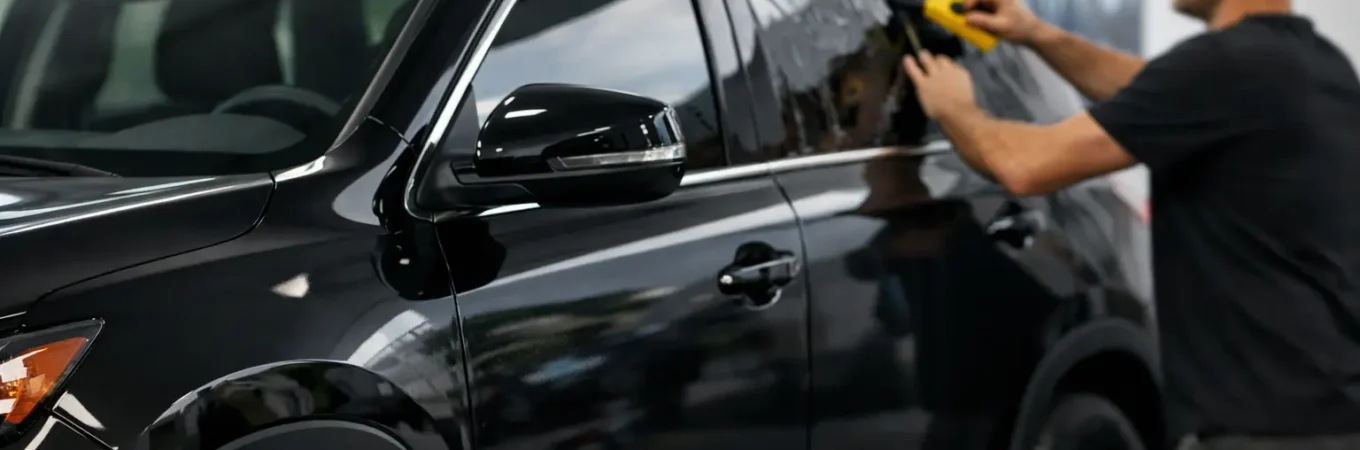
SUV glass is not always simple. Rear windows may have complex curves, fixed quarter glass, defroster lines, antennas, cameras, and tight trim panels. A rushed installation can leave contamination, uneven edges, bubbles, or damage around sensitive components.
Professional installation is about more than getting the film on the glass. Proper prep, precise cutting, clean edges, and careful handling make the difference between tint that looks good for a few months and tint that continues to look right years later. The film itself matters, but craftsmanship matters just as much.
At 865 Tint, SUV owners can choose film options based on budget and performance rather than being pushed into a one-size-fits-all package. That makes it easier to match the tint to your vehicle, driving habits, and expectations.
A Practical SUV Tint Setup
For most drivers, the strongest all-around setup is a legal front-door shade paired with a darker rear section and ceramic film where heat reduction matters most. If budget is the priority, carbon on the sides and rear still delivers a major improvement in privacy, glare reduction, and appearance.
If your SUV is a family vehicle, a ceramic upgrade is usually worth serious consideration. Rear passengers often feel the sun more than the driver, especially in vehicles with large rear doors, third-row windows, or panoramic glass. Better heat rejection makes daily use more comfortable without having to make every window extremely dark.
Before booking, think about where you park, how often you drive after dark, whether you carry passengers in the back, and how long you plan to keep the vehicle. Those answers point you toward the right film faster than chasing the darkest shade on the menu.
A well-chosen SUV tint should make every drive feel better, from a quick run across Knoxville to a long summer trip with a full cabin. Choose the film for comfort first, then select a shade that fits your style and lets you see clearly when it counts.