
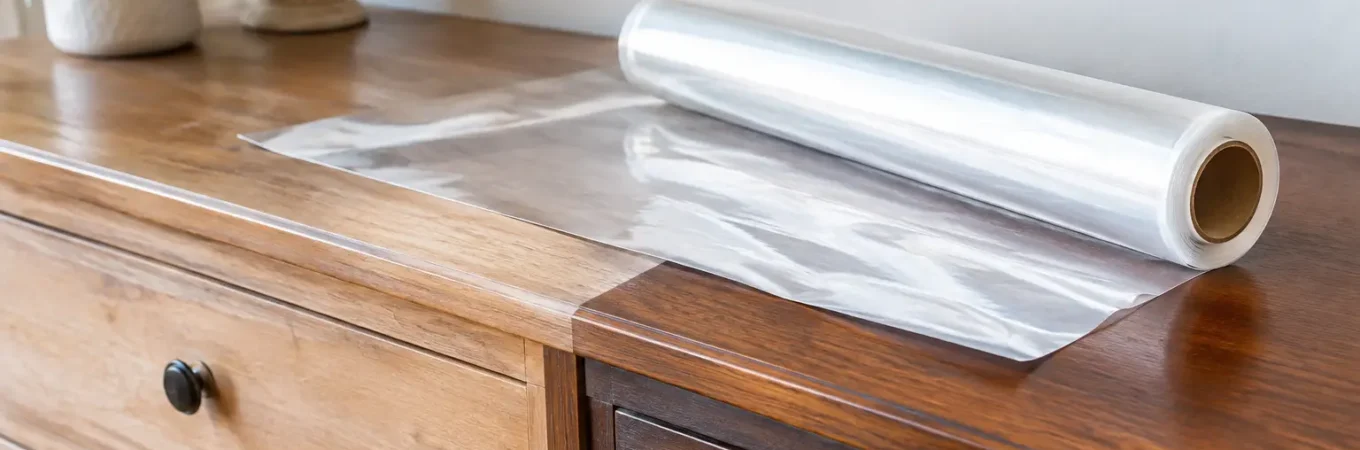
A sunny living room can look great until the side of the sofa facing the windows turns lighter than the rest. If you are looking for the best film for fading furniture, start with a window film designed for strong UV rejection and visible-light control, not just privacy. The right professionally installed film helps protect upholstery, hardwood, rugs, artwork, and wood finishes while keeping the room more comfortable.
Furniture fading is not just a problem in rooms with wall-to-wall glass. East Tennessee gets plenty of bright sun, and direct exposure through standard windows can slowly change the color of fabrics and finishes. You may not notice it day to day, but move a lamp, rug, or picture frame after a year or two and the difference becomes clear.
What Causes Furniture to Fade?
Sunlight is the biggest factor, but it is not only ultraviolet light. UV rays cause significant damage, while visible light and solar heat also contribute to fading and material breakdown. That is why a basic dark tint is not always the best answer for a home or business. It may reduce brightness, but the performance behind the glass matters more than how dark it looks.
Natural fabrics, leather, dyed wood, hardwood flooring, printed artwork, and colorful upholstery are all vulnerable. South- and west-facing windows are usually the first places to look because they receive the strongest, longest periods of direct sunlight. Large windows, patio doors, storefront glass, and rooms without exterior shade can also need extra protection.
No film can promise that furniture will never fade. Materials age, indoor lighting plays a role, and long-term sun exposure is tough on any surface. A quality window film can greatly slow the process by rejecting up to 99% of harmful UV rays and reducing the amount of intense light and heat entering the room.
Best Film for Fading Furniture: Ceramic or Spectrally Selective?
For most homeowners and business owners, ceramic window film or spectrally selective film is the best choice for fading furniture. These premium films are built to reject UV rays and a meaningful amount of solar heat without forcing you to make the room noticeably dark.
Ceramic film is a strong all-around option. It provides high UV protection, helps cut glare, and can reject infrared heat that makes sunny rooms uncomfortable. It is a smart fit for living rooms, offices, waiting areas, and storefronts where you want to preserve the view while protecting what is inside.
Spectrally selective film is especially useful when maintaining natural light is the priority. It is engineered to filter the parts of sunlight that create heat and fading while allowing more visible light through than many traditional tinted films. That makes it a good option for homes with scenic views, bright kitchens, and commercial spaces that need daylight to feel open and inviting.
The best choice depends on your windows, the direction they face, and how much sun the room receives. A space with all-day western exposure may benefit from a higher-performance film than a shaded room with only a few hours of morning light.
Why UV Rejection Alone Is Not Enough
Nearly every quality residential and commercial window film offers high UV rejection. That is essential, but it does not tell the whole story. Visible light can still fade fabrics and finishes over time, while heat can dry out wood, stress leather, and make rooms difficult to use during the afternoon.
When comparing film options, look at the complete performance picture: UV rejection, glare reduction, visible light transmission, and solar heat rejection. A professional installer can walk you through those numbers in plain language and help you avoid paying for a film that does not fit the room.
Choosing the Right Shade for Your Space
A darker film can reduce glare and brightness more aggressively, which may be helpful in a media room, conference room, or storefront with direct afternoon sun. The trade-off is that darker film changes the appearance of the glass and can make a room feel less bright, especially on cloudy days.
Lighter ceramic and spectrally selective films are often the better choice for primary living spaces. They offer protection without making your home feel closed off. You still get daylight, but the sun is less harsh on your floors, furniture, and eyes.
Reflective films can deliver strong heat reduction and daytime privacy, particularly for some commercial applications. However, they can create a mirror-like exterior look and may affect the appearance of your property. They are not always the first pick for a home where curb appeal and a natural view matter.
There is no one shade that works for every window. A good installation plan may use different film types in different areas. For example, a homeowner could choose a nearly clear high-performance film for the front living room and a slightly darker option for a sun-heavy bonus room.
Window Film vs. Blinds, Curtains, and Low-E Glass
Blinds and curtains help, especially when they are closed during the brightest part of the day. They are also an easy way to add style and privacy. But they only protect what is behind them, and closed window coverings can block the daylight and view you wanted in the first place.
Window film protects at the glass, before the sun reaches the room. It works all day without requiring you to adjust anything. Many property owners use both: a quality film for daily protection and curtains or blinds for extra control when needed.
Replacing windows with low-E glass may also help with UV and heat control, but it is a much larger project and investment. Professional window film is often a practical upgrade for existing windows, particularly when the windows are in good condition and the goal is better comfort and interior protection.
What to Look for Before You Install Film
Not every window can take every film. Dual-pane windows, older glass, tempered glass, and certain specialty windows need to be evaluated before installation. Applying the wrong product can create unnecessary stress on the glass or affect a manufacturer warranty.
That is why a professional consultation matters. An experienced installer checks the glass type, measures the windows, considers sun exposure, and recommends a film that fits the job. This is not just about choosing a tint percentage from a chart.
Ask about the film warranty, expected appearance, and how the film will perform at night. Daytime privacy is common with reflective films, but once interior lights are on after dark, people outside may still be able to see in. If privacy is a major concern, that should be part of the conversation from the start.
You should also be realistic about existing damage. Film can help protect furniture from future fading, but it cannot restore color that has already been lost. For valuable artwork, antiques, or highly sensitive materials, combine film with smart placement, UV-rated coverings, and occasional rotation of exposed items.
A Smart Choice for Knoxville Homes and Businesses
For Knoxville property owners, the best window film for fading furniture is usually a premium ceramic or spectrally selective product installed for the specific glass and exposure in your space. It gives you meaningful UV protection, glare reduction, and heat control without automatically turning every window dark.
865 Tint helps homeowners and businesses choose from practical film options based on what matters most: preserving interiors, keeping rooms cooler, reducing glare, improving privacy, or balancing all four. Clean installation matters because quality film should look like it belongs on the glass, not like an afterthought.
If one side of your sofa is already fading or your hardwood floor is changing color near the windows, treat it as an early warning. The right film will not stop time, but it can give the things you have invested in a much better chance of looking good for years to come.
1 Comment
Commercial Tint Installation Guide for Knoxville – 865 Tint
17 October 26 3:11 am[…] the day. Look for areas where employees squint at monitors, customers avoid sitting near windows, merchandise fades, or rooms feel noticeably warmer than the rest of the property. Those details matter more than […]