
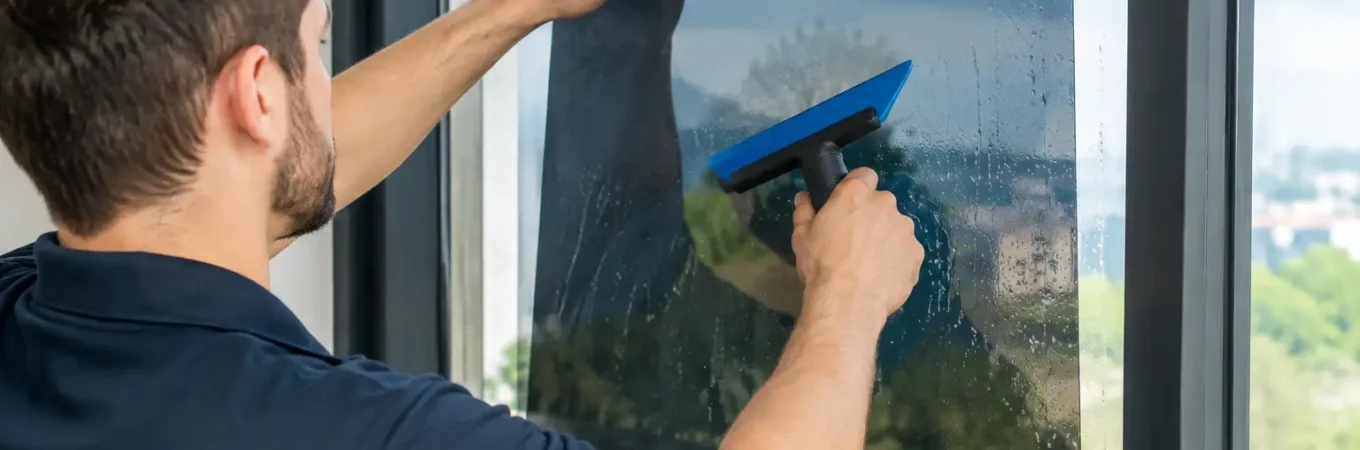
Knoxville sun can make a parked vehicle feel unbearable, wash glare across a living room, and slowly fade the finishes you paid good money to choose. When you apply UV window film, you are adding a protective layer that helps manage sunlight before it reaches your interior. The right film can improve comfort, reduce glare, protect upholstery and floors, and add privacy without changing how you use the space.
The key is choosing film for the actual job, not just choosing the darkest shade or the cheapest roll. Vehicle glass, home windows, and commercial storefronts have different needs, different installation challenges, and sometimes different rules. A clean, professional installation is what turns a good film into a result that looks right for years.
What UV Window Film Actually Does
Ultraviolet rays are a major cause of fading and material breakdown. Leather seats, dashboards, wood flooring, rugs, artwork, merchandise, and window displays all take a beating when direct sunlight hits them day after day. Quality window film is designed to block a high percentage of UV exposure while still allowing you to select the appearance, visible light level, and heat performance you want.
UV protection is only one piece of the equation. Depending on the film you choose, it can also cut glare, improve daytime privacy, and reject solar heat. That is why a light ceramic film can make sense for someone who wants a bright cabin or room with better comfort, while a darker film may be the better fit for privacy and appearance.
Not every film performs the same way. Basic dyed films may offer an affordable darker look, but they are not always the best choice for drivers or property owners focused on heat control and long-term color stability. Carbon and ceramic films are stronger options when performance matters. Ceramic IR and premium ceramic films are built for customers who want serious heat rejection without needing the darkest possible tint.
When to Apply UV Window Film to a Vehicle
For drivers around Knoxville, UV window film is practical year-round. Summer is the obvious reason: less solar heat and glare can make daily commutes, school pickup lines, and weekend drives more comfortable. But the protection matters in every season because sun exposure does not stop when the temperature drops.
A vehicle is a strong candidate for tint if the dash is fading, the steering wheel and seats get painfully hot, passengers complain about glare, or you want more privacy for personal items. Newer vehicles benefit too. Adding film early helps preserve the interior before sun damage becomes noticeable.
Windshield tint deserves special care. A clear or very light heat-rejecting windshield film can help reduce heat and glare while keeping nighttime visibility in mind. The legal tint limits and permitted windshield coverage can vary, so this is not an area for guessing. A professional installer can help you choose a film that supports your goals while keeping your vehicle appropriate for Tennessee roads.
Film Selection for Cars: Looks vs. Performance
Your best choice depends on what you value most. Carbon film is a solid option for a clean appearance, privacy, and dependable value. Entry ceramic film gives you a step up in heat rejection. Ceramic IR is a popular choice for drivers who spend significant time in the car and want stronger cooling performance. High-end ceramic ultra film is for customers who want top-tier heat rejection and premium clarity.
Darker is not automatically cooler, and lighter is not automatically weaker. A quality light ceramic film can outperform a darker, lower-grade film when it comes to rejecting heat. That trade-off matters for drivers who want to preserve visibility, avoid an overly dark look, or stay within tint limits while still gaining meaningful protection.
Applying UV Window Film to Homes and Businesses
Property window film solves a different set of problems. In a home, direct sun can leave one room noticeably hotter than the rest, create television glare, and fade flooring near large windows. In a business, it can make workstations uncomfortable, interfere with screens, and affect the condition of merchandise near storefront glass.
Residential and commercial film can help reduce the burden that intense sunlight places on rooms facing the afternoon sun. It can also provide privacy for offices, conference rooms, entryways, or street-facing windows. The best option depends on the glass itself, the direction the windows face, how much natural light you want to keep, and whether privacy is needed during the day, at night, or both.
A darker film may reduce glare and offer daytime privacy, but it can also change the look of your exterior and reduce visible light indoors. Reflective options can be useful in some commercial settings, although they are not right for every property. For homeowners who want sun protection without a darkened room, a more neutral, high-performance film is often the better answer.
Check the Glass Before You Choose
Modern windows are not all built the same. Double-pane glass, low-E coatings, tempered glass, and older single-pane windows can react differently to film. Applying the wrong product to the wrong glass can increase thermal stress or affect manufacturer warranty coverage.
That does not mean window film is a bad choice. It means the glass should be evaluated before installation. A professional recommendation takes into account the window type, existing seals, sun exposure, and the film’s specifications. This extra step protects your investment and helps avoid the kind of problem that a one-size-fits-all online kit cannot account for.
Why Professional Installation Is Worth It
A roll of film can look simple until it is time to install it around curves, defroster lines, trim panels, window seals, or large panes of glass. Proper prep is the difference. Glass must be cleaned thoroughly, surfaces must be handled carefully, and film needs to be cut and positioned without trapping debris, creasing, or contaminating the adhesive.
On a vehicle, a poor install can leave bubbles, rough edges, light gaps, scratched glass, or damage to seals and trim. On property windows, a bad cut or contaminated application is even more obvious because sunlight exposes every flaw. Film that is applied correctly should look clean from both sides and settle as it cures.
Curing takes time, especially when humidity or cooler weather is involved. A slight haziness or small water pockets can be normal shortly after installation. Do not roll down freshly tinted vehicle windows until your installer says it is safe, and avoid picking at edges while the film cures. If a large bubble, lifting edge, or unusual defect remains after the recommended cure period, contact the installer instead of trying to fix it yourself.
At 865 Tint, the goal is not to rush a car or property window through the shop. It is to match the film to the job, install it cleanly, and give customers a result that feels worth the investment every time they get behind the wheel or sit near a sunny window.
Caring for Window Film After Installation
Once cured, window film is low maintenance. Clean it with a soft microfiber cloth and a tint-safe cleaner, using light pressure around the edges. Avoid abrasive pads, sharp tools, and harsh cleaners that can scratch the film or affect its finish.
For vehicle tint, be mindful when loading items near rear glass and when cleaning around defroster lines. For home and commercial glass, regular gentle cleaning is enough. Premium film is durable, but it is not indestructible. Treating it like a finished surface rather than bare glass helps preserve clarity and appearance.
The best time to address heat, glare, and fading is before another summer puts more wear on your vehicle or property. Choose a film based on how you actually live, drive, and use the space, then let skilled installation do the rest.