A rear window defroster is one of those features you may not think about until a cold Knoxville morning makes it necessary. So, can window tint damage defrosters? Quality tint film itself usually does not damage a working rear defroster. The real concern is how tint is installed, and especially how old tint is removed.
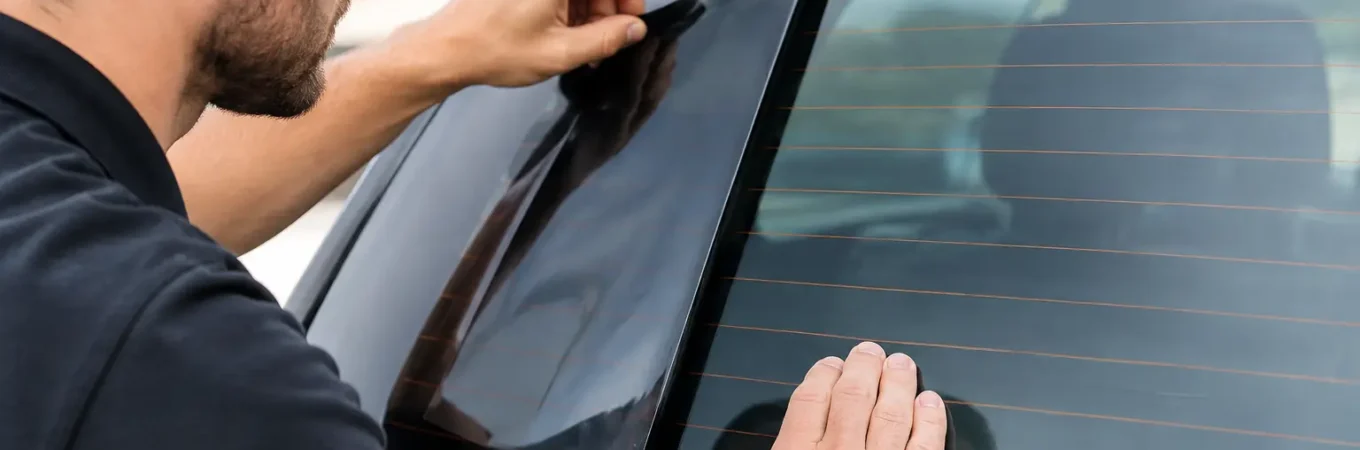
The thin horizontal lines on your rear glass are electrical grid lines. They warm up when you activate the rear defrost button, clearing condensation, frost, and light ice from the glass. Because the grid sits on the inside surface of the rear window, it has to be handled carefully during any tint service. A professional installer knows that the goal is not just a clean-looking rear window. It is protecting the glass, the defroster grid, and any factory antenna connections built into the window.
Can Window Tint Damage Defrosters During Installation?
When installation is done correctly, window tint should not harm the defroster lines. Tint film is applied over the interior glass using a mounting solution and controlled pressure. The film does not interfere with the electrical current running through the grid, and normal rear defroster heat is not a problem for quality automotive window film.
The key word is correctly. Rear glass is more complicated than a side window because it is curved, tight to work around, and often includes defroster tabs, antenna elements, and a third brake light. An inexperienced installer can create problems by using sharp tools around the grid, scraping the glass aggressively, or applying too much pressure in the wrong area.
A good tint shop prepares the glass with the right process, uses safe tools, and heat-shrinks the film to match the curve before final installation. That reduces unnecessary handling on the inside of the rear glass. The result should be a smooth tint job that leaves your defroster operating as it did before.
Heat From the Defroster Is Usually Safe for Tint
Drivers sometimes worry that turning on the rear defroster will make tint bubble, peel, or discolor. With professional-grade film and proper installation, that is not expected. Automotive tint is designed for regular use in changing temperatures, from summer heat to cold-weather defrost cycles.
Cheap film can be a different story. Low-quality dyed tint is more likely to fade, turn purple, or lose adhesion over time. That does not necessarily mean the defroster caused the failure, but it can make the problem show up sooner. Choosing a dependable film matters if you want lasting heat reduction, glare control, privacy, and a clean appearance.
Tint Removal Is Where Defroster Damage Can Happen
The highest risk is not putting tint on the rear window. It is taking old tint off.
As window film ages, its adhesive can bond firmly to the glass and become difficult to remove. If someone tries to peel it off dry, pulls too quickly, or attacks leftover glue with a razor blade, the defroster grid can lift off with the film. Once a grid line is damaged, that section may no longer heat properly. In some cases, the entire rear defroster may become less effective.
This is why a rear-window tint removal should not be treated like a quick DIY project. It may look simple in online videos, but every vehicle, film type, and adhesive condition is different. A car that has sat in the East Tennessee sun for years can have brittle film and stubborn adhesive that require a more careful approach.
Professional removal typically relies on controlled heat or steam to soften the adhesive before the film is lifted. The film is removed slowly, and remaining adhesive is addressed with products and methods selected to protect the grid. It takes patience, but patience is a lot less expensive than replacing rear glass.
Warning Signs Your Rear Tint Needs Careful Removal
Bubbling, peeling edges, purple discoloration, hazy film, and rear visibility issues are common signs that older tint is ready to come off. If the tint is heavily deteriorated, assume the removal may require extra time and care.
You should also be cautious if your rear defroster already has weak spots. Before removal, test the defroster and look for areas that do not clear as quickly as the rest of the window. Photographing the grid beforehand is a smart way to document its condition. It gives you a clear baseline and helps you spot a pre-existing issue that may not be related to the tint.
What Happens If a Defroster Line Is Damaged?
A damaged line does not always mean you need a new rear window. Small breaks in the grid can sometimes be repaired with a conductive repair kit or by a glass and electrical specialist. These repairs can restore function to a limited area, although the cosmetic result may be visible up close.
If multiple grid lines have lifted, the electrical tabs are loose, or the antenna system in the rear glass is affected, the repair can become more involved. At that point, replacement glass may be the most practical solution. That is exactly why careful installation and removal are worth prioritizing from the start.
It is also worth separating a tint concern from an electrical concern. If your rear defroster stops working after a tint job, the issue could be a fuse, relay, switch, wiring connection, or an existing break in the grid. A reputable shop should take the concern seriously and help determine whether the problem is in the glass grid or elsewhere in the system.
How to Protect Your Rear Defroster and Tint
Once your rear tint is installed, everyday care is straightforward. Give fresh tint time to cure as instructed before cleaning the glass. During that period, small water pockets or a slightly hazy appearance can be normal as moisture evaporates from beneath the film.
After curing, clean the interior rear glass with a soft microfiber towel and an ammonia-free cleaner. Avoid abrasive pads, sharp scrapers, or aggressive rubbing directly across the defroster lines. You do not need to baby the window, but harsh tools are unnecessary and can create scratches or catch an already-weakened grid.
If you need tint removed later, tell the installer that the rear window has a defroster grid and ask how they plan to remove the film. The right answer should involve a careful process, not simply scraping it off. A shop should also be upfront that aged film, prior damage, and failing factory grid lines can affect the risk involved.
Choosing a Shop for Rear Window Tint
Price matters, but a rear window tint job is not the place to choose solely on the lowest quote. Ask about the film quality, warranty coverage, removal approach, and experience with rear defroster grids. You want clear answers, not vague promises.
For Knoxville drivers, 865 Tint focuses on clean, damage-conscious installation and removal with film options that fit different budgets and heat-control goals. Whether you choose carbon film or a higher-performance ceramic option, the installation process matters as much as the film itself.
A rear defroster should keep doing its job long after your tint is installed. If your current film is bubbling or you are considering a rear-window tint upgrade, have it inspected before anyone starts pulling, scraping, or guessing.