
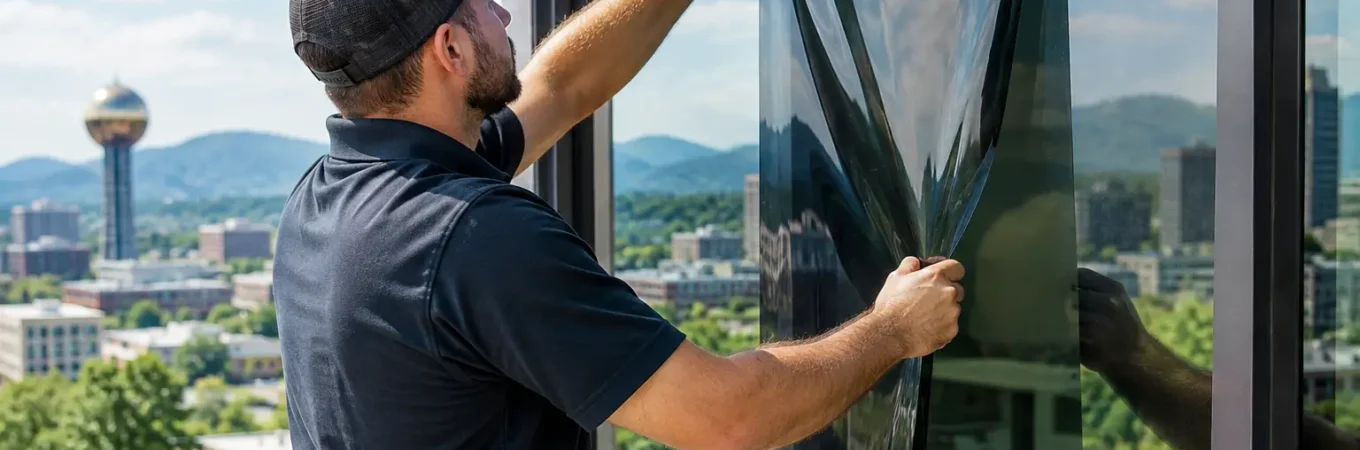
A sunny storefront can bring in natural light, but it can also create hot work areas, washed-out displays, screen glare, and rising cooling costs. This commercial tint installation guide is built for Knoxville business owners who want a practical upgrade that improves comfort and appearance without making their property feel closed off.
Commercial window tint is not a one-size-fits-all purchase. The right film depends on where the glass faces, how your employees and customers use the space, and whether heat reduction, privacy, glare control, or UV protection is the main priority. A professional installation helps you get those benefits while keeping the glass, framing, and day-to-day operations in good shape.
Start With the Problem Your Business Needs to Solve
Before choosing a shade or film tier, walk through your building during the brightest part of the day. Look for areas where employees squint at monitors, customers avoid sitting near windows, merchandise fades, or rooms feel noticeably warmer than the rest of the property. Those details matter more than choosing the darkest film available.
West- and south-facing windows often need the most heat and glare control. Front-facing retail glass may need a lighter, more subtle film so the business still feels inviting from the sidewalk. Offices, medical spaces, conference rooms, and ground-level windows may benefit more from privacy than maximum heat rejection.
A good installer will ask about all of this before recommending a product. They should also evaluate the type and condition of your glass. Older windows, insulated glass units, and specialty glazing can have different film compatibility requirements. Applying the wrong product can create unnecessary stress on glass or affect a manufacturer warranty, so this is not the step to guess through.
Choose Commercial Film for Performance, Not Just Darkness
Visible darkness is only one part of window film performance. A lighter ceramic film can reject a significant amount of heat while preserving a bright, open look. That can be a smart fit for reception areas, restaurants, retail shops, and offices where natural light is part of the customer experience.
Carbon film is often a dependable, affordable choice for privacy, glare reduction, and a clean appearance. Ceramic options typically offer stronger heat rejection without needing an extremely dark finish. For businesses with large sun-exposed glass, upgraded ceramic infrared films can be worth considering because they help manage heat that standard darker films may not address as effectively.
The best choice comes down to the goal. If an office gets afternoon sun but needs daylight, a lighter high-performance film may make more sense than a dark privacy film. If a street-level office needs added discretion, a frosted or privacy-focused product could be the better answer. Decorative films can also create privacy on interior glass without making a room feel boxed in.
There are trade-offs. Darker tint can increase privacy and reduce glare, but it can also lower natural light and change the exterior appearance of the building. Reflective films can help with solar control, yet they may not match every property style or lease requirement. A clear conversation about performance, appearance, and budget keeps the project on track.
Check Property Rules Before Scheduling Installation
If you lease your commercial space, review your lease and speak with the property manager before work begins. Some landlords have standards for exterior glass appearance, reflectivity, signage visibility, or approved contractors. Getting approval ahead of time avoids a costly removal later.
Business owners should also think about local code requirements and emergency visibility. Certain entry doors, marked exits, and safety glass areas may need to remain clearly identifiable. Your installer can help identify concerns, but the property owner or tenant should confirm building-specific requirements when necessary.
For storefronts, do not overlook signage. Tint can improve glare on windows, but it may also affect how window graphics, hours, displays, and interior lighting look from outside. It is usually best to decide on tint and signage together rather than treating them as separate projects.
Prepare the Space for a Clean Commercial Tint Installation
Professional tint installation is efficient, but preparation makes a noticeable difference. Clear items away from window ledges and move furniture back from the glass when possible. Retailers may want to cover nearby product displays, while offices should protect electronics, paper files, and equipment from normal cleaning moisture.
Let employees know which rooms or sections will be worked on and when. Most commercial film is installed from the interior side of the glass, so crews need reasonable access to each window. For occupied businesses, installation can often be planned in sections, during slower hours, or outside normal operating times to reduce disruption.
The glass must be thoroughly cleaned before film is applied. Dust, adhesive residue, paint overspray, and silicone near the frame can affect the finished look. A professional installer uses proper cleaning methods and tools designed for glass and film application, not shortcuts that leave contamination behind.
What Happens During the Installation Process
After measuring and confirming the selected film, the installer prepares each glass surface and cuts the material to fit. The film is positioned using an application solution, then carefully squeegeed to remove moisture and air. Edges are finished close to the frame for a clean, professional appearance.
During the first few days, the film may look slightly hazy or show small water pockets. That is generally part of the curing process, especially in humid or cooler weather. Commercial film needs time to dry fully, and larger panes can take longer than smaller windows. Avoid judging the final result too quickly.
The installation crew should leave the work area clean and explain basic aftercare before they leave. You should know what normal curing looks like, when it is safe to clean the glass, and who to contact if you have a question about the finished project.
Care for Your New Window Film the Right Way
Once the film has cured, routine maintenance is simple. Use a soft microfiber cloth or clean rubber squeegee with a mild, ammonia-free cleaner. Avoid abrasive pads, rough paper towels, blades, and harsh chemicals that can scratch the film surface or wear down the edges over time.
It is also wise to inspect window seals and frames as part of normal building maintenance. Film cannot fix failed seals, damaged glass, or water intrusion. Addressing those issues early protects both the window system and your investment in tint.
Quality commercial film is designed to last, but performance and appearance depend on the film selected, sun exposure, glass condition, and maintenance. The cheapest option is not always the most affordable over the life of the installation. A film that holds its color, resists peeling, and delivers the heat control you actually need can provide better value than a bargain product that has to be replaced early.
When Professional Installation Is Worth It
Commercial glass is larger, more visible, and often more complicated than the windows in a vehicle. Poorly installed film can show trapped debris, uneven edges, creases, or premature peeling. It can also create avoidable problems when the wrong film is matched to the wrong glass.
A specialized local installer brings more than application skill. They can help you compare film options honestly, plan around business hours, work carefully around displays and equipment, and deliver a finish that looks right from both inside and outside. For Knoxville businesses, 865 Tint focuses on clean workmanship, responsive service, and film options that fit different needs and budgets.
The right window film should make your space easier to work in, more comfortable for customers, and less dependent on blinds staying closed all day. Start with the areas causing the biggest problems, choose film based on performance instead of appearance alone, and give the installation team the access they need to do the job right.