
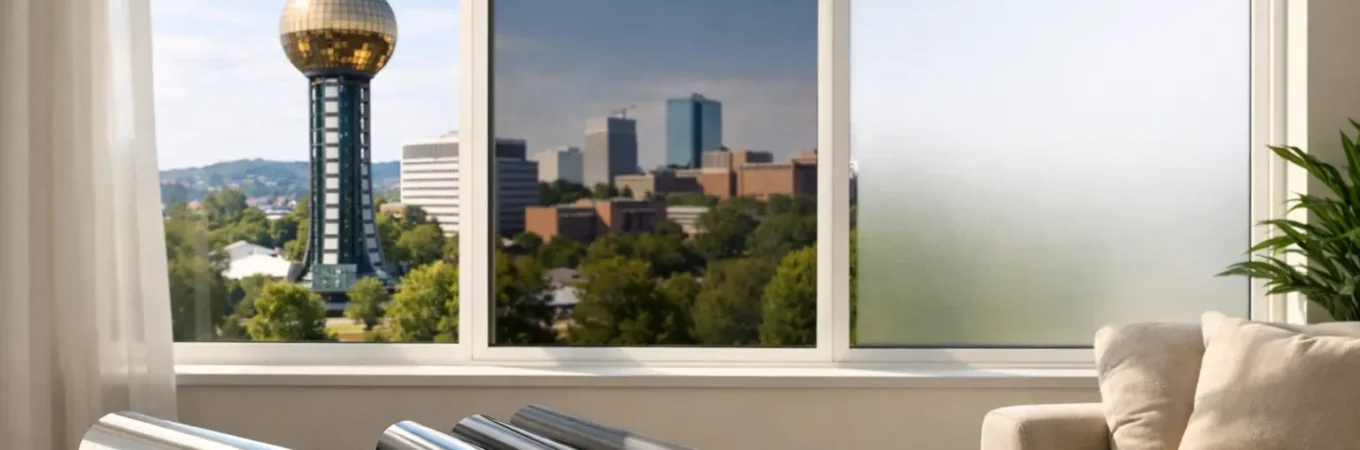
The afternoon sun hitting a west-facing living room can turn a comfortable space into the hottest room in the house. It can also fade hardwood floors, wash out the TV screen, and make you close blinds you would rather leave open. The best home window film types solve different parts of that problem, so the right choice depends on what you want the film to do first: cut heat, reduce glare, add privacy, protect furnishings, or strengthen the glass.
Window film is not a one-size-fits-all upgrade. A film that gives a bathroom the privacy it needs may be a poor fit for a sunny family room. A highly reflective option can reduce heat effectively, but it may change the exterior look of your home. Knowing the trade-offs before installation helps you get a result you will be happy to live with every day.
Best Home Window Film Types by Need
Solar control film for heat and glare
Solar control film is the most common choice for homeowners who are tired of hot rooms, harsh sunshine, and uneven temperatures near windows. It works by reducing the amount of solar energy that enters through the glass. Depending on the film and glass, that can mean less heat buildup, less glare, and more comfortable seating near windows.
This category includes films with a light tint, a neutral appearance, or a more reflective finish. Darker or more reflective films can provide stronger heat rejection, but they also reduce visible light and may noticeably alter how the windows look from outside. For some homes, especially those with large sun-facing windows, that trade-off is worth it. For others, a lighter film with solid heat performance makes more sense.
Solar control film is a practical fit for living rooms, kitchens, home offices, and bedrooms that get direct afternoon sun. It can also help protect furniture, flooring, artwork, and fabrics from fading by filtering damaging UV rays. Keep expectations realistic, though. Film can reduce solar heat gain, but it does not replace insulation, HVAC maintenance, or properly sealed windows.
Ceramic and spectrally selective film for clear views
Homeowners often want heat reduction without making their windows look dark. That is where ceramic and spectrally selective films stand out. These premium options are designed to reject a meaningful amount of heat while staying relatively light and neutral in appearance.
Ceramic film uses non-metallic particles, so it avoids the shiny look associated with some traditional reflective films. Spectrally selective film is built to filter much of the sun’s heat-producing infrared energy while allowing more visible light through. The result can be a brighter room with less glare and heat, without giving up the view you paid for.
This is usually the best direction for homes with scenic views, open-concept living areas, or homeowners associations that limit exterior changes. It is also a smart choice when you want a premium finish that does not make the house look heavily tinted. The upfront cost is higher than basic film, but the appearance and comfort can justify it for high-use rooms.
Privacy film for bathrooms, entryways, and close neighbors
Privacy window film gives you coverage without replacing glass or keeping shades closed all day. Frosted, etched, and opaque films blur or block the view through the glass while still allowing daylight into the room. They are especially useful for bathroom windows, sidelights beside front doors, garage windows, and rooms that face nearby homes.
Frosted film is the most versatile residential privacy choice because it looks clean and intentional. It is often used on lower window panels or on only part of a window, allowing light in while shielding the area where privacy matters most. Decorative patterns can add more personality, although simple styles tend to age better and work with more home designs.
Privacy film is not always the answer for nighttime privacy. If interior lights are on and the film is not fully opaque, silhouettes may still be visible. For bedrooms and street-facing windows, pair the film with blinds, curtains, or shades if complete privacy is the goal.
Reflective and one-way mirror film for daytime privacy
Reflective film can create a mirror-like effect on the brighter side of the glass. During the day, that often gives homeowners privacy from the outside while preserving a view from inside. It also offers strong glare and heat reduction, which makes it popular for sunny rooms and large windows.
The important detail is the lighting difference. One-way privacy works when it is brighter outside than inside. At night, once indoor lights are on, the effect reverses and people outside may be able to see in. That does not make reflective film a bad product. It simply means it should be chosen for daytime heat and privacy needs, not as a replacement for window coverings after dark.
Reflective film can also make a bigger visual statement from the curb. Before choosing it, consider your home’s exterior style, neighborhood rules, and whether you want all windows to match. A professional can show you samples outdoors, where the real appearance is much easier to judge than it is from a small swatch indoors.
Decorative film for style without construction
Decorative window film is less about heat performance and more about changing the look of plain glass. It can mimic frosted glass, etched designs, rain glass, geometric patterns, or other finishes. It is a cost-effective way to upgrade sidelights, interior doors, transom windows, cabinets, and office partitions.
For a homeowner who wants to soften a direct view into an entryway or bathroom, decorative film can be a clean alternative to replacing the glass. It also works well when you want privacy but do not want the darker look of tinted solar film. If heat reduction is the main concern, choose a solar-control or ceramic option instead, or ask whether a combination solution is available.
Security film for added glass protection
Security film is thicker than standard residential tint and is designed to help hold broken glass together after impact. It can reduce the risk of dangerous shards spreading into a room after accidental breakage, severe weather debris, or an attempted break-in. The film does not make glass unbreakable, and it should not be sold as a guarantee against intrusion. Its value is in added delay and glass retention.
This type of film can be a good fit for ground-level windows, glass doors, commercial storefronts, and homes where safety is a top concern. Installation details matter more here than with decorative film. The thickness of the product, the type of glass, and whether the film is properly attached to the frame all affect performance.
Security film is often clear, which is helpful when you want protection without changing the appearance of the window. It can also be paired with solar-control film in some situations, though the glass and product compatibility should be checked first.
Low-E window film for year-round efficiency
Low-E window film is designed to help manage radiant heat in more than one season. In summer, it can help reduce solar heat coming in through windows. In cooler months, certain products can help reflect some indoor heat back toward the room. That makes Low-E film worth considering for Knoxville homeowners who deal with humid summers and chilly winter stretches.
The performance depends heavily on your existing glass, window orientation, and the specific film selected. It is not a shortcut to the performance of brand-new high-efficiency windows, but it can be an appealing upgrade when window replacement is not in the budget or the current windows are otherwise in good condition.
How to Choose the Right Film for Your Windows
Start with the room that bothers you most. If your home office gets blinding afternoon glare, prioritize solar control. If a bathroom feels exposed, privacy film is the clearer answer. If you love your mountain or backyard view but want less heat, a light ceramic or spectrally selective film is likely the better investment.
Next, look at the glass itself. Double-pane windows, low-E coatings, tempered glass, and older single-pane windows can respond differently to film. Some glass-and-film combinations carry a higher risk of thermal stress, particularly when a dark film absorbs heat. A professional installer should identify the glass type and recommend a compatible film instead of applying the darkest option available.
Appearance should be part of the decision, not an afterthought. Ask to see samples against your actual windows at different times of day. A film that looks subtle in a showroom can look more reflective on a sunny exterior wall. Likewise, a film that seems light during the day may noticeably reduce brightness in a north-facing room.
Finally, consider quality and installation. Cheap DIY film may seem attractive, but bubbles, edge lifting, creases, and poor adhesion can quickly make it look like a temporary fix. Professional installation provides cleaner edges, proper surface preparation, and guidance on film selection. At 865 Tint, the goal is to help property owners choose a film that fits the room, the glass, and the way they actually use their home.
The best choice is rarely the darkest film or the most expensive one. It is the film that makes your space more comfortable, protects what is inside, and still lets your home feel like your home.