A tint that looks great in the shop can feel completely different on a rainy Knoxville night, during an early commute, or when you are backing into a dim parking garage. That is why automotive tint darkness is more than a style choice. The right shade should give you the privacy, heat control, and finished look you want without making daily driving harder than it needs to be.
Most drivers start with one question: “How dark should I go?” The honest answer depends on your vehicle, where and when you drive, the film you choose, and Tennessee tint rules. A professional installation should help you make a choice you will still be happy with six months from now, not just when you pull out of the parking lot.
What Automotive Tint Darkness Actually Means
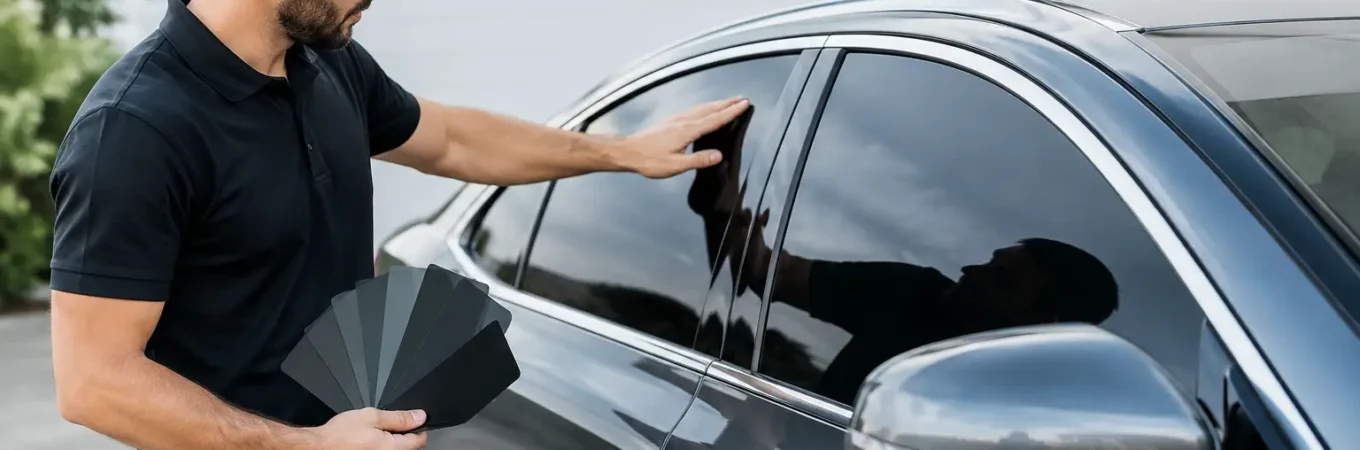
Tint darkness is usually described by visible light transmission, or VLT. This is the percentage of visible light that passes through the glass after tint is installed. A higher number means more light comes through, so the tint appears lighter. A lower number blocks more visible light and looks darker.
For example, 50% VLT is a lighter tint that still gives the windows a refined, slightly shaded appearance. A 35% tint is a popular middle ground for drivers who want noticeable privacy without going extremely dark. A 20% or 15% tint creates a much darker look, while 5% tint is often called “limo tint” because very little light passes through it.
One detail people miss: factory glass is not always completely clear. Many vehicles already have a slight factory shade, and privacy glass on SUVs and trucks can look dark even without aftermarket film. When film is applied, the final VLT is affected by both the glass and the tint. That is why choosing by the number on a sample alone can lead to surprises.
Pick a Shade for How You Actually Drive
The best tint shade is rarely the darkest shade available. It is the shade that fits your routine.
A commuter who drives before sunrise, after sunset, or through heavy rain may prefer a lighter front-window tint for clearer visibility at intersections and while checking mirrors. Someone who spends long afternoons parked outdoors may place more value on privacy and glare reduction. Drivers with light-sensitive eyes often want tint that helps with glare but do not necessarily need a very dark VLT to get relief.
Vehicle type matters, too. Dark tint can look sharp on a black truck or a sporty sedan, but it may create a more dramatic appearance than a driver wants on a family SUV or luxury vehicle. Lighter shades tend to look clean and understated. Mid-range shades provide a custom appearance without making the cabin feel closed off. Darker shades make a bold statement and offer more privacy, but they come with a larger visibility trade-off.
When deciding, sit in the vehicle and think beyond daytime driving. Can you comfortably see pedestrians, curbs, bicycles, and vehicles beside you after dark? Will you be able to back out of your driveway without relying entirely on the backup camera? Cameras help, but they are not a replacement for clear sight lines.
A practical starting point
For many daily drivers, a moderate tint on the side and rear windows offers the best balance of appearance, privacy, and usability. A lighter shade can make sense on front windows for drivers who frequently travel at night. If privacy is your highest priority, darker rear windows may be a better place to add it while keeping the front of the vehicle more manageable.
There is no single shade that works for every vehicle. A good tint shop will show you samples against your actual glass, explain the final look, and help you avoid choosing a darkness that does not match your expectations.
Darkness Is Not the Same as Heat Rejection
A common misconception is that darker tint automatically means cooler interior temperatures. Darker film can reduce glare and visible light, but film technology has a major effect on heat control.
Carbon films offer a solid upgrade for drivers who want a clean look, privacy, and dependable performance at an affordable price. Ceramic films take heat rejection further without requiring you to choose the darkest possible shade. Higher-performance ceramic IR and ceramic ultra films are designed for drivers who want stronger infrared heat reduction and UV protection, especially in East Tennessee summers.
This matters if you like the appearance of a lighter tint but still want a cooler cabin. With quality ceramic film, you can often choose a more visible shade and still improve comfort significantly over basic dark film. That can be a smart choice for a driver who wants less glare and heat without sacrificing nighttime visibility.
In other words, choose tint darkness for the look and privacy you want. Choose the film type for the heat performance you need. The two decisions work together, but they are not the same thing.
Tennessee Tint Rules Should Shape Your Choice
Legal limits are part of any smart tint decision. Tennessee has rules covering how much visible light can pass through vehicle windows, along with requirements that can differ by window location and vehicle classification. Windshield tint is especially limited, and the allowable application is not the same as side-window tint.
The details matter. A sedan, SUV, pickup, or van may not be treated exactly the same under applicable tint regulations. Medical exemptions can also involve separate requirements. Choosing an extremely dark shade without considering the rules can lead to unwanted attention, failed inspections where applicable, or the cost of removal and replacement later.
A local professional should help you understand the current limits before installation. Rules can change, and vehicle glass varies, so it is better to confirm your options than to guess based on what you saw on another car. If you drive across state lines often, remember that other states may enforce different tint standards as well.
Don’t Forget the Windshield
Windshield tint is one of the most requested upgrades because the windshield lets in a large amount of sunlight. It can reduce glare and help the front seats feel more comfortable, especially during long drives. It also requires more care than tinting side or rear glass because visibility and legal requirements are more restrictive.
A light, high-quality windshield film can be a better fit than a dark film for many drivers. The goal is usually to cut heat and glare while preserving a clear view of the road, dashboard displays, traffic signals, and pedestrians. This is another place where ceramic technology can make a major difference: you can prioritize heat rejection without turning the windshield noticeably dark.
Ask about the legal options for your vehicle and driving needs. A clean, professionally installed windshield film should enhance your comfort without creating distracting haze, bubbles, or reduced clarity.
How to Avoid Regretting Your Tint Choice
Before installation, look at samples in natural light and from both inside and outside the vehicle. Your paint color, interior color, factory glass, and windshield angle all affect how tint appears. A shade that looks medium-dark on a white vehicle with a beige interior may look much darker on a black vehicle with black leather.
It also helps to be honest about your priorities. If your main goal is heat reduction, ask about ceramic performance first. If privacy is the priority, discuss the darkest legal and practical option for your vehicle. If you want a subtle factory-plus look, a lighter VLT may be exactly right.
Do not make the decision based only on price. Cheap film can fade, turn purple, bubble, or perform poorly against heat. Poor installation can leave contamination, rough edges, damaged trim, or defroster issues during removal. Quality film and careful workmanship protect the appearance of your vehicle and make the upgrade worth keeping.
For Knoxville drivers, 865 Tint can help match the shade and film level to the way you use your vehicle. Whether you want a simple two-window upgrade, full sides and rear coverage, or a higher-performance ceramic option, the best result starts with a conversation about your priorities.
Your vehicle should still feel easy to drive after the tint is installed. Choose a darkness that gives you confidence in every mirror check, every rainy evening, and every bright summer afternoon.
1 Comment
Does Tint Block Ultraviolet Rays? What to Know – 865 Tint
22 November 26 3:14 am[…] is where many people get tripped up. Visible light transmission, often called VLT, measures how much visible light passes through the glass and film. A lower VLT […]