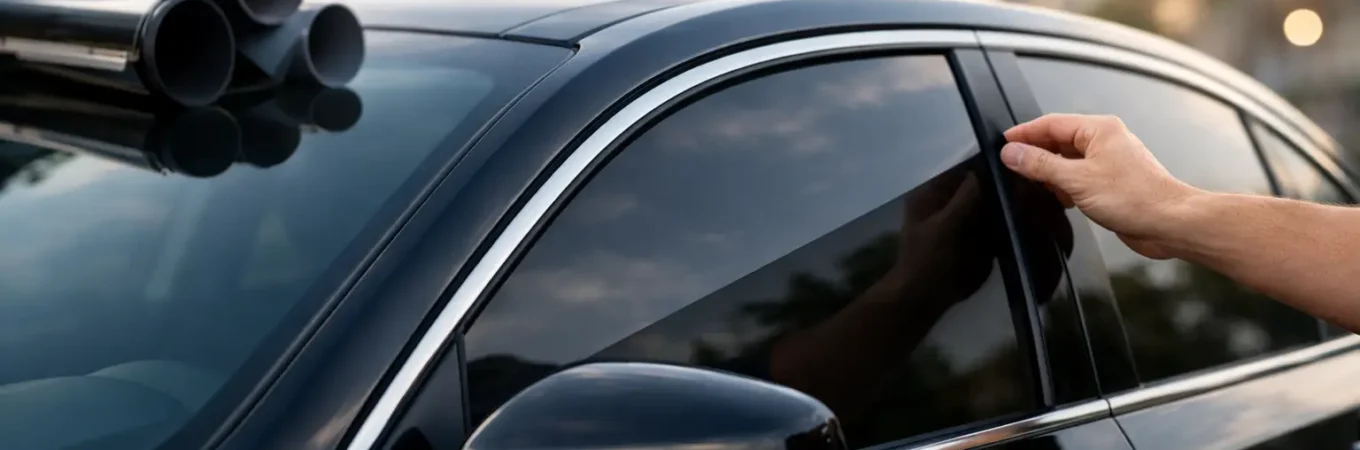
A good carbon tint review should answer more than one question: Does it look good on the first day? It should also tell you how the film handles a hot Tennessee summer, whether it stays black over time, and whether the price makes sense for how you drive.
Carbon window tint is a popular middle ground for drivers who want a noticeable upgrade from basic dyed film without jumping straight to premium ceramic pricing. It offers a clean appearance, reliable privacy, UV protection, and better heat control than entry-level tint. For many Knoxville-area drivers, that combination makes carbon one of the smartest value choices on the menu.
What Is Carbon Window Tint?
Carbon tint uses carbon-based particles within the film to help block solar heat and reduce glare. Unlike basic dyed film, which relies largely on dye to create its dark appearance, carbon film is built for longer-lasting color and stronger heat performance.
The result is a deep, neutral black finish that tends to look more refined than the purple or brown fade some lower-cost films can develop. Carbon tint is also non-metallic, so it generally will not interfere with cell reception, GPS, Bluetooth, keyless entry, or radio signals.
That last point matters more than many people realize. Metallic tint can offer solid heat rejection, but drivers who depend on navigation, hands-free calls, or a reliable signal often prefer a non-metallic film. Carbon delivers that benefit without the higher investment of top-tier ceramic options.
Carbon Tint Review: Where It Performs Best
Carbon tint earns its reputation because it improves the parts of driving that get annoying every day. Your cabin feels less exposed, low-angle sunlight is easier to handle, and the vehicle takes on a sharper, more finished look.
Heat Reduction That You Can Feel
Carbon film reduces a meaningful amount of solar heat, especially compared with basic dyed tint. That can make a difference when your car has been sitting in a parking lot, when the afternoon sun hits your arm on the commute home, or when your air conditioning is working hard in July and August.
Still, carbon is not the highest heat-rejection option available. If maximum cabin comfort is your priority, especially for a windshield, a dark interior, or a vehicle parked outdoors all day, ceramic IR or ceramic ultra film may be worth the upgrade. Ceramic films are designed to reject more infrared heat while maintaining clear visibility and signal-friendly performance.
Carbon is the better fit when you want a real improvement in comfort without paying for the absolute highest heat-blocking technology.
A Cleaner Look Than Basic Dyed Film
Appearance is a major reason drivers choose carbon. Quality carbon film creates a rich black tone that complements most vehicles, from a daily-driven sedan to a lifted truck, SUV, or performance car. It adds privacy without looking flashy, and it gives factory glass a more intentional finish.
Color stability is another advantage. No film is immune to wear, poor care, or extreme exposure forever, but carbon is generally more resistant to fading than inexpensive dyed film. The key phrase is quality carbon film. Film construction and installation both matter. A bargain film installed poorly can still bubble, lift at the edges, or disappoint you long before it should.
Privacy, Glare Control, and UV Protection
Tint darkness affects privacy and glare, while the film itself provides UV protection. A lighter shade can still block a high percentage of UV rays, so you do not have to choose the darkest legal option to protect your interior and skin from sun exposure.
For drivers, the practical benefits are straightforward. Tint helps cut glare from bright roads and headlights, protects leather and upholstery from fading, and makes it harder for people to see directly into the cabin. Carbon film handles all three well.
Just remember that darker is not always better. Very dark tint can make nighttime visibility more difficult, particularly on back roads, in heavy rain, or when reversing in poorly lit areas. A professional installer can help you choose a shade that balances the look you want with how and where you actually drive.
The Trade-Off: Carbon vs. Ceramic Tint
The most common question is whether carbon is worth it when ceramic tint is available. The honest answer is that it depends on your vehicle, budget, and expectations.
Carbon tint is an excellent value for drivers who want dependable heat reduction, a stable black color, privacy, and no electronic interference. It is a clear step up from entry-level dyed film and is often the sweet spot for sides and rear glass.
Ceramic tint costs more because it is engineered for stronger infrared heat rejection. It is especially appealing for drivers who spend long hours on the road, have a black or dark-colored vehicle, carry children or pets, or want the best possible comfort during East Tennessee summers. The upgrade can also make sense for windshield tint, where a light, legal shade with strong heat control is often the goal.
Neither choice is automatically right for everyone. Carbon gives you strong everyday performance at a more affordable price. Ceramic makes sense when heat control is the priority and you plan to keep the vehicle for years.
What Carbon Tint Does Not Do
A trustworthy review should be clear about limits. Carbon tint will not make a vehicle immune to heat. Parked in direct sun, any car will still get hot. It reduces solar load and improves comfort, but it does not replace a sunshade, working air conditioning, or smart parking when shade is available.
It also cannot fix damaged glass, worn weatherstripping, or visibility problems caused by dirty windows. And while professional tint can improve privacy, it is not a security system. Do not leave valuables in plain sight simply because the glass is darker.
Finally, performance numbers vary by manufacturer and shade. Two films labeled “carbon” may not reject the same amount of heat. That is why the conversation should go beyond darkness percentage. Ask about the actual film tier, warranty, heat-rejection characteristics, and what is included in the installation.
Installation Matters as Much as the Film
Even premium film can look poor if the preparation and installation are rushed. A professional tint job starts with clean glass, careful trimming, and proper film placement. The goal is a smooth finish with clean edges, no contamination, and no unnecessary gaps.
Fresh tint also needs time to cure. Small water pockets or a slightly hazy look can be normal during the curing process, depending on weather and film type. Avoid rolling down the windows until your installer says it is safe, and follow the recommended aftercare instructions.
Legal compliance belongs in the same conversation. Tint laws can vary by window location, vehicle type, and medical exemption status. The right shade is one that gives you the privacy and appearance you want while staying within applicable Tennessee requirements. A local tint specialist should be able to explain the practical options before any film goes on the glass.
Is Carbon Tint Worth the Money?
For many drivers, yes. Carbon tint is worth the money when basic film feels too temporary and premium ceramic feels outside the budget. It delivers a noticeable improvement in appearance, comfort, glare reduction, and long-term color stability.
It is particularly well suited to daily drivers, trucks, SUVs, and family vehicles where owners want an upgrade they can enjoy every time they get behind the wheel. It also works well for drivers who care about maintaining factory electronics and do not want the potential signal issues associated with metallic films.
At 865 Tint, the best recommendation starts with how you use your vehicle, not with pushing the most expensive option. Carbon is a strong choice when value matters, and ceramic is there when you want to take heat rejection further.
Before choosing a shade or film tier, think about where your vehicle spends its day. A car parked outside at work, driven during peak sun, and used for long commutes may justify a higher heat-performance film. A weekend vehicle or garage-kept daily driver may get everything it needs from quality carbon tint. Choose the film that will still feel like the right call when the Tennessee sun is hitting the glass six months from now.
Comments (6)
How to Fix Tint Haze Without Damaging Film – 865 Tint
22 August 26 6:54 am[…] and fail early, particularly in a vehicle that spends a lot of time parked in the sun. Quality carbon and ceramic options generally hold their color and clarity better, but even premium film can fail if it is old, […]
Which Tint Film Is Right for Your Car or Property? – 865 Tint
26 August 26 9:51 am[…] than a darker appearance. If you mainly want a clean, factory-style look and some added privacy, a quality carbon film may be the right […]
Knoxville Tint Installer Reviews: What Matters – 865 Tint
28 August 26 7:01 am[…] Carbon film is a solid choice for drivers who want a clean look, privacy, and practical UV protection at an affordable price point. Ceramic options cost more, but they can provide stronger heat rejection and better infrared performance without interfering with electronics. Entry ceramic may make sense for a daily driver, while ceramic IR and premium ceramic ultra films are better fits for customers who spend a lot of time in the car, drive in direct sun, or want the highest level of heat control available. […]
7 Car Tint Reasons Knoxville Drivers Should Consider – 865 Tint
3 September 26 7:07 am[…] amount of heat reduction depends heavily on the film. Carbon film is a solid, affordable choice for drivers who want better comfort and a darker appearance. Ceramic […]
How to Book a Tint Appointment in Knoxville – 865 Tint
17 September 26 3:21 am[…] Carbon film is a solid option for drivers who want a clean tinted look, added privacy, and dependable performance at an affordable price. It works well for many daily drivers and provides a noticeable upgrade from bare factory glass. […]
Choosing the Best Tint for Classic Cars Today – 865 Tint
3 October 26 3:10 am[…] Carbon film is a strong value choice for many classics. It gives the vehicle a clean appearance, helps reduce glare and heat, and avoids the faded purple look associated with low-quality dyed film. It is a practical option for an owner who wants dependable performance and a nice finish at an affordable price. […]