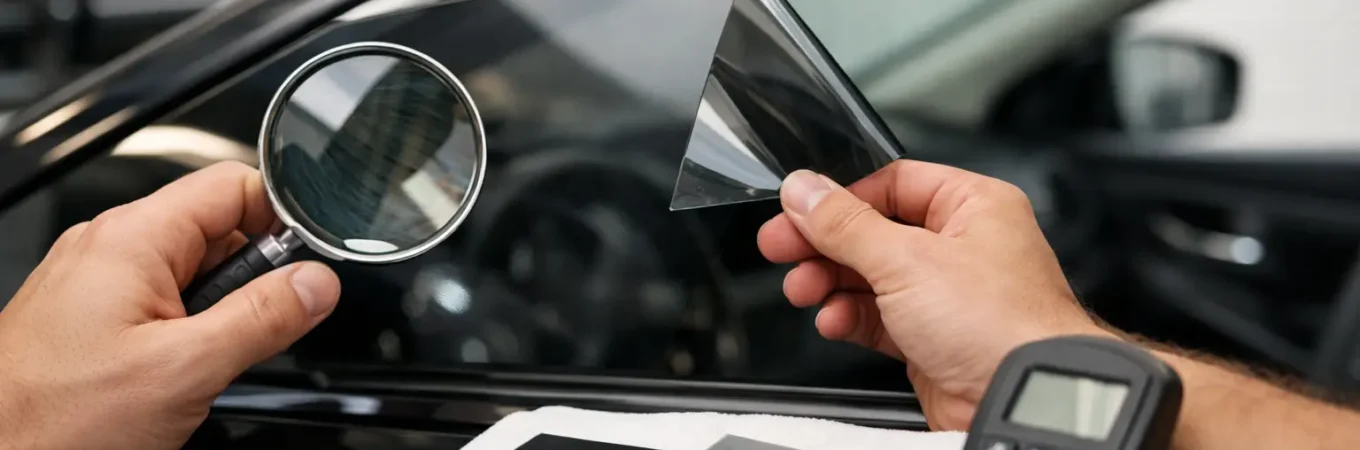
A dark window is not automatically a quality window. If you are wondering how to tell if tint is quality, look past the shade and price tag. The best tint should look clean on day one, feel more comfortable in direct sun, protect your interior, and keep doing its job years down the road.
For Knoxville drivers, the difference is easy to feel during a hot East Tennessee summer. Cheap film can make a vehicle look better for a while, but poor clarity, weak heat rejection, peeling edges, and purple discoloration tend to show up sooner than customers expect. Quality comes from two things working together: the film itself and the installation behind it.
How to Tell If Tint Is Quality: Start With the Film
Not all window film is made to solve the same problem. Some products are mainly designed for a darker appearance and basic privacy. Others are built to reject heat, block UV rays, reduce glare, and hold their color for the long haul. A good installer should explain the difference clearly instead of treating every tint option as interchangeable.
Look for a film type that matches your goal
Dyed film is often the lowest-cost option. It can improve privacy and appearance, but it generally does less for heat control and may fade faster than premium alternatives. Carbon film is a strong step up for drivers who want a clean look, dependable color stability, and solid performance without paying for the highest tier.
Ceramic tint costs more because it is designed for stronger heat rejection without needing an extremely dark shade. Entry ceramic can be a smart value for daily drivers. Ceramic IR and higher-end ceramic ultra films are better suited to customers who spend a lot of time in the vehicle, park outside, drive a dark-colored vehicle, or simply want the best available heat control.
The right choice depends on your priorities. If appearance and privacy are the main goals, carbon may be plenty. If you are tired of a steering wheel that feels too hot to touch or a cabin that takes forever to cool down, ceramic film is usually worth considering.
Check the numbers, but know what they mean
A quality film should have clear, specific performance information. Heat rejection, infrared rejection, UV protection, and visible light transmission all tell part of the story. Be cautious when a shop makes big heat-rejection claims but cannot tell you which film line is being installed or provide product details.
Visible light transmission, often called VLT, is how much visible light passes through the window. Lower VLT means a darker appearance. It does not automatically mean better heat rejection. A lighter ceramic film can often reject more heat than a darker basic film, which is why darkness alone is a poor way to judge quality.
UV protection matters, too. Quality automotive films are designed to block the vast majority of harmful UV rays, helping protect your skin and reduce fading and cracking on seats, dashboards, door panels, and trim. This same benefit is valuable for homes and businesses with sun-facing windows, hardwood floors, furniture, merchandise, or workspaces affected by glare.
Clarity Is a Quality Test You Can See
Good tint should give you a clear, natural view through the glass. From inside the vehicle, look through the tinted window at signs, lane markings, headlights, and bright sky. You should not see a hazy, wavy, distorted, or overly reflective view.
This is especially important at night. Lower-quality film can make nighttime visibility feel worse than necessary, particularly in rain or on poorly lit roads. The shade you choose will always affect how much light comes into the vehicle, but quality film should still look optically clean.
Color is another giveaway. Fresh tint may look fine at first, but weak materials can turn purple, bronze, green, or blotchy as the dyes break down. A color-stable carbon or ceramic film is less likely to develop that worn-out look. If you are evaluating an older tinted vehicle, uneven color between windows is a strong sign that the film is aging or was replaced at different times.
Installation Quality Matters as Much as the Film
Even premium ceramic film will disappoint if it is installed carelessly. Window tinting is detail work. The installer has to prep the glass thoroughly, cut the film precisely, shrink it correctly around curved glass, and finish the edges cleanly without damaging trim, defroster lines, or electronics.
Inspect the edges and the glass surface
After installation, look closely around the perimeter of each window. The film should sit neatly near the edge of the glass with consistent spacing. It should not have jagged cuts, lifted corners, large gaps, or obvious uneven lines.
A few small water pockets or a slightly cloudy look can be normal immediately after tinting. Tint needs time to cure, and curing time changes with film type, weather, and humidity. Those small moisture marks should dry out over the next several days or weeks, not remain permanently.
What should not be accepted are large bubbles, creases, trapped debris, fingerprints, hair, or dirt visible between the glass and film. These flaws do not improve with curing. They point to rushed prep or poor installation conditions.
Pay attention to rear glass and difficult windows
The rear windshield is one of the best places to judge craftsmanship because it is curved and often requires careful heat shrinking. Quality work should lay smoothly across the glass without fingers, folds, or patchwork seams. On most vehicles, a professionally installed rear windshield tint is formed as one clean piece of film.
Be careful with defroster lines and window seals. A professional shop should use techniques that protect your vehicle while still delivering a close, clean finish. Tint removal deserves the same attention. Old film and adhesive should be removed without scratching glass, damaging defroster lines, or leaving behind a sticky mess.
A Real Warranty Should Be Easy to Understand
A warranty is not just paperwork. It tells you whether a shop stands behind the materials and labor. Ask what is covered, how long the coverage lasts, and what happens if the film bubbles, peels, fades, or changes color.
The strongest warranties usually come with premium films, but the details still matter. Some warranties cover the film but not labor to replace it. Others may have exclusions that are not explained until there is a problem. A trustworthy shop will give you a straightforward answer before you book, not after.
Also ask whether the film is backed by a recognized manufacturer and whether you will receive documentation for the exact product installed. If a quote only says “ceramic tint” with no film line, brand, or warranty information, ask for more detail. Ceramic is a category, not a guarantee that every product performs the same.
Price Can Signal Value, but It Is Not the Whole Story
Everyone wants a fair price. That does not mean the lowest quote is the best deal. A bargain installation can become expensive if it needs to be removed and redone after bubbling, fading, or poor heat performance. Removal takes time, and neglected old tint can create extra risk around rear defroster lines.
Compare quotes based on what you are actually getting: the film type, the vehicle coverage, the warranty, the installer’s reputation, and the expected finish. A transparent quote is more useful than a low number with vague wording.
At 865 Tint, customers can choose from carbon, entry ceramic, ceramic IR, and ceramic ultra options because different vehicles, budgets, and heat-control needs call for different solutions. The goal is not to push every customer into the most expensive film. It is to install a film that makes sense for how you drive and what you expect from it.
Ask the Shop a Few Straight Questions
Before scheduling, ask which film will be used, what warranty comes with it, how long the appointment will take, and what aftercare is required. You should also ask whether the shop can remove existing tint safely if your vehicle already has damaged or outdated film.
A professional tint shop will not make you feel rushed for asking. Clear answers are part of quality service. You should know what shade is going on each window, understand the difference between film options, and leave with realistic expectations about curing and care.
For property tint, ask similar questions about glare reduction, privacy, UV protection, and whether the film is intended for residential or commercial glass. Automotive film and flat-glass film are not always interchangeable, and the right product should be selected for the glass and the goal.
Quality tint should make your vehicle or space more comfortable without creating a headache later. Choose a film with proven performance, inspect the installer’s attention to detail, and give yourself enough information to buy once instead of paying for the same job twice.