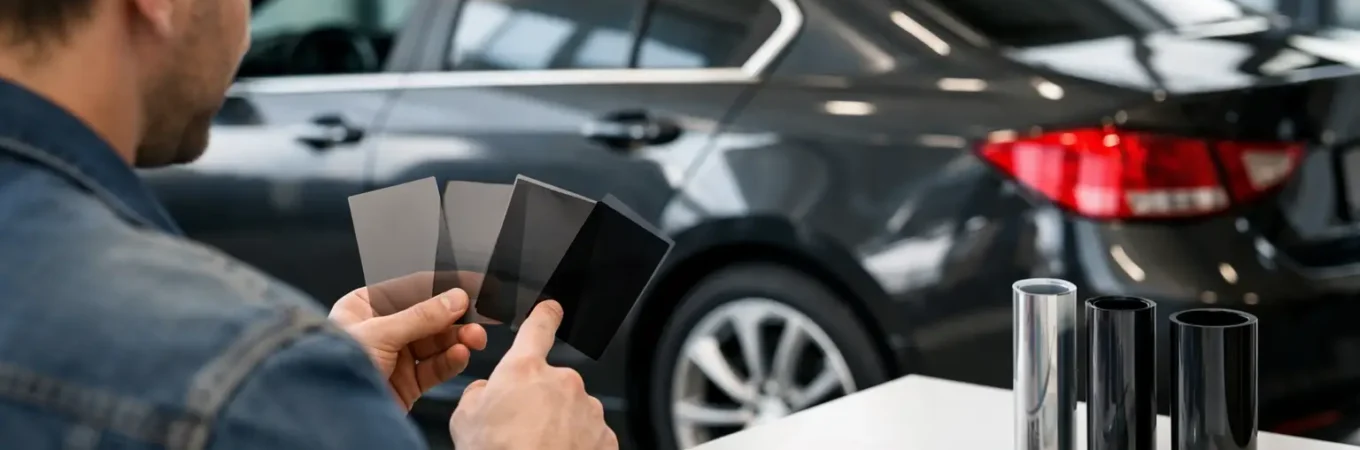
A tint quote can look simple until you see the package choices: two windows, sides and rear, windshield strip, carbon, ceramic, ceramic IR, and more. Knowing how to compare tint package options helps you spend money on the benefits you will actually feel every time you drive, not just the darkest shade on the menu.
The best package is not automatically the most expensive one. It is the right combination of coverage, film performance, legal shade, and clean professional installation for your vehicle and how you use it around Knoxville.
Start With the Area You Want Tinted
Before comparing film tiers, make sure you are comparing the same amount of coverage. A lower-priced package may only cover two front windows, while another quote may include all side windows and the rear glass. Those are completely different jobs, so the price difference alone does not tell the full story.
A two-window package is a smart choice when the rear glass already has factory privacy glass or when you want the front doors to match the back. It can also be a practical first upgrade for drivers who want more privacy and less glare without tinting every window.
A sides-and-rear package provides the more finished, factory-style look most vehicle owners have in mind. It is especially worthwhile for SUVs, trucks, family vehicles, and daily drivers because it gives passengers more consistent privacy and reduces sun exposure throughout the cabin.
Windshield tint needs its own conversation. A legal windshield strip can cut down on low-angle sun and harsh glare without changing visibility through the main windshield area. Full windshield film can offer major heat reduction, but local laws and visibility needs matter. Ask your installer to explain your options clearly before making that choice.
How to Compare Tint Package Options by Film Type
Once coverage is clear, look at what kind of film each package includes. Film quality has a bigger effect on comfort, longevity, and signal friendliness than many drivers realize.
Carbon film: a strong value upgrade
Carbon film is a solid option for drivers who want a clean appearance, privacy, UV protection, and better heat control than basic dyed tint. It gives many vehicles a sharp, rich look and is often a good fit when budget matters but you still want professional-grade film.
Carbon film does not provide the same level of infrared heat rejection as higher ceramic options. For someone with a short commute, garage parking, or a tighter budget, that trade-off may make perfect sense. For someone whose vehicle sits in a sunny Knoxville parking lot all afternoon, it may be worth stepping up.
Entry ceramic: better comfort without going all-in
Entry ceramic film is a popular middle ground. Ceramic technology helps reject heat without relying on metal, which matters for drivers who use GPS, Bluetooth, satellite radio, toll tags, or mobile devices. It can provide a noticeable comfort upgrade over carbon, particularly on the front doors and windshield areas where the sun hits hardest.
This tier is often the right answer for a daily driver you plan to keep for a few years. You get better heat performance while keeping the total package at a reasonable price point.
Ceramic IR: for drivers who feel the heat
Ceramic IR film is designed to target more infrared heat, the kind that makes a cabin feel hot even when the tint looks fairly light. This matters because shade and heat rejection are not the same thing. A light ceramic film can sometimes keep a vehicle more comfortable than a darker, lower-performance film.
If you commute every day, have leather seats, carry kids or pets, or park outdoors at work, ceramic IR is worth comparing closely. The upfront cost is higher, but the day-to-day difference can be easy to appreciate during an East Tennessee summer.
Ceramic ultra: maximum performance for the long haul
High-end ceramic ultra film is for drivers who want the strongest heat-rejection performance available in the package lineup. It is a natural fit for luxury vehicles, newer vehicles you intend to keep, work trucks, high-mileage commuters, and anyone tired of climbing into an oven after work.
It will not make your air conditioner unnecessary, and it cannot stop heat entering through every unprotected surface. What it can do is reduce solar load, help the cabin cool down faster, and make your drive more comfortable. If comfort and interior protection are your top priorities, this is where the investment makes the most sense.
Do Not Judge Tint by Darkness Alone
A common mistake is assuming darker tint means better heat rejection. Darkness is measured by visible light transmission, often called VLT. It tells you how much visible light passes through the glass and film together. A lower VLT number looks darker, but it does not automatically mean the film blocks more heat.
That is why two packages with the same shade can have very different prices and results. One may be a basic film focused on appearance and privacy. The other may use ceramic technology to reject significantly more infrared heat and UV exposure.
When comparing packages, ask what the quoted shade is and what performance comes with it. You want to know the heat-rejection difference between film tiers, not just whether both options are labeled 20% or 35%.
Compare the Specs That Affect Real Driving
Film spec sheets can get technical fast, but you do not need to memorize every number. Focus on the practical questions behind the numbers: How much heat does this film help reject? How much UV protection does it provide? Will it interfere with electronics? Is the film backed by a manufacturer warranty?
If a shop discusses infrared rejection or total solar energy rejection, ask how those figures relate to the exact shade you want. Performance can change by shade. A clear or light windshield film, for example, may deliver a different result than the same product on dark side windows.
Also ask whether the quoted price includes removal of existing tint. Old film can be time-consuming to remove, especially if the rear defroster lines are involved. A professional removal process is about more than getting the glass clean. It should be handled carefully to protect the glass, defroster lines, and surrounding trim.
Keep Tennessee Tint Rules in the Conversation
A package is only a good value if you can drive with confidence after it is installed. Tennessee tint laws set limits on visible light transmission and windshield coverage, and rules can differ based on the vehicle type and window location. Factory glass can also affect the final VLT reading once film is applied.
Do not assume a shade that looked good on a friend’s truck is legal for your sedan, or that a film labeled with one percentage will measure the same on every vehicle. Tell the installer your vehicle year, make, and model, then ask which shades fit your goals while staying within applicable requirements. Regulations can change, so it is wise to verify current rules before booking.
Think About Your Vehicle, Not Just the Price Board
The right package depends on where your vehicle spends its time. A garage-kept weekend car may need a different setup than a black SUV parked outside eight hours a day. A driver who mainly wants privacy may be happy with carbon film, while someone who battles afternoon sun on I-40 may get more value from ceramic IR or ceramic ultra.
Your vehicle’s existing glass matters too. Many SUVs and trucks come with rear privacy glass, but privacy glass is not the same as heat-rejecting window film. Adding quality film to those rear windows can improve comfort and protection while helping the appearance match the front doors.
At 865 Tint, the goal is to make those choices straightforward. A good recommendation should account for your coverage needs, preferred look, budget, driving habits, and the film performance you will notice most.
Ask for an Apples-to-Apples Quote
Before you choose, make sure each quote answers the same questions. Confirm the windows included, the specific film tier, the shade, whether old tint removal is included, and what warranty applies. If one package costs more, ask what you are gaining in heat reduction, film technology, or coverage.
Do not be afraid to set a budget first. A reputable tint shop should be able to show you the best option within that range instead of pushing the highest tier by default. The right recommendation is one you can feel good about when you leave the lot and months later when the film still looks clean.
A well-chosen tint package makes your vehicle look better the day it is installed, but the real value shows up in the hot parking lot, the bright morning drive, and the years of protection for the interior you already paid for.