Your steering wheel should not feel like a skillet after an afternoon parked in a Knoxville lot. That is the real question behind window tint versus sun shades: which option actually makes your vehicle more comfortable when the sun is working overtime? Both can help, but they solve different problems. One stays with your vehicle every mile; the other helps most when you are parked.
Window Tint Versus Sun Shades: The Core Difference
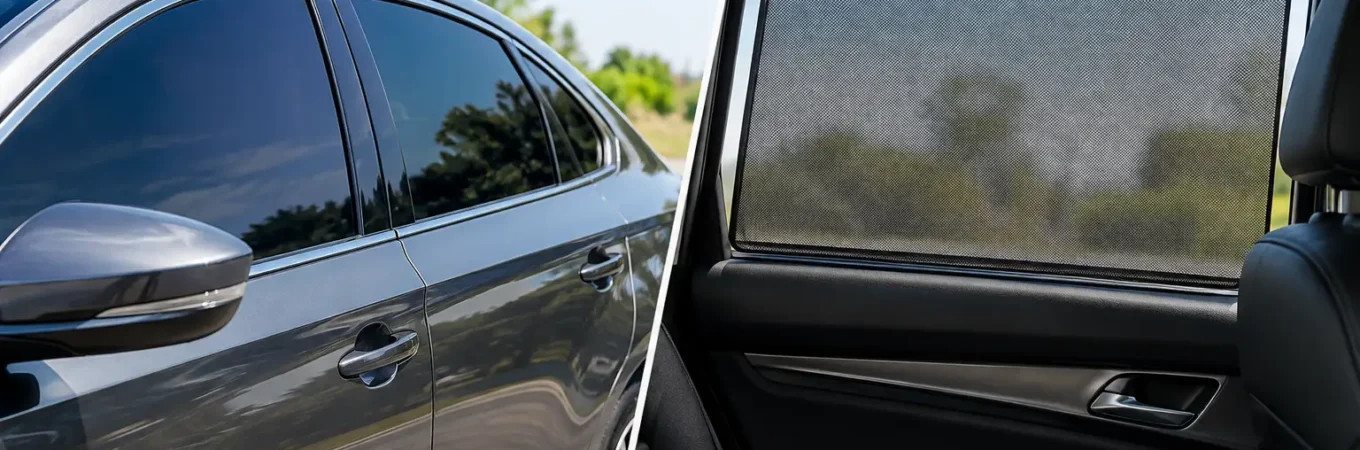
Professional window tint is a thin film applied to the inside of your vehicle’s glass. It can reduce glare, block damaging UV rays, add privacy, and limit solar heat before it reaches your cabin. Depending on the film you choose, tint can also reject a significant amount of infrared heat, which is the heat you feel on your skin.
Sun shades are removable panels, usually placed across the windshield when the vehicle is parked. Some drivers also use mesh shades on rear or side windows. A quality windshield sun shade reflects sunlight away from the dash, seats, steering wheel, and center console. It is simple, affordable, and useful, but it has to be put up and taken down every time you park and drive.
The short answer is that tint is the stronger everyday upgrade, while a sun shade is a smart add-on for parked-car heat. For many East Tennessee drivers, the best setup is not tint or a sun shade. It is professional tint plus a windshield shade during the hottest months.
Heat Reduction: What You Feel on a July Afternoon
A windshield sun shade is very effective at reducing the blast of heat that builds up while your vehicle sits in direct sunlight. It protects the dashboard from direct rays and can make the first few minutes after you get in much more manageable. If your car stays parked outside at work, school, or home, a sun shade earns its small cost quickly.
Its limitation is obvious once you start driving. The shade comes down, and sunlight is again coming through the side windows and rear glass. It does nothing for glare on your commute, heat on your arm, or the sunlight hitting passengers in the back seat.
Window tint works while you drive and while you park. Carbon film can improve comfort and appearance at an affordable price. Ceramic films go further by targeting heat rejection without requiring an extremely dark look. Entry ceramic is a solid choice for drivers who want a noticeable comfort upgrade, while ceramic IR and Ceramic Ultra are designed for people who spend a lot of time in the vehicle and want stronger heat control.
The film matters as much as the shade level. Darker tint is not automatically cooler tint. A lighter ceramic film can often outperform a darker basic film when it comes to infrared heat rejection. That is why it pays to choose a film based on your priorities, not just the look you want from outside the vehicle.
UV Protection and Interior Preservation
Sunlight does more than make a car hot. Over time, UV exposure can fade upholstery, dry out leather, discolor trim, and wear down dashboards. It can also be tough on your skin during long drives, especially when sunlight hits the same arm or side of your face every day.
A windshield sun shade protects the front of your interior while it is installed. That makes it valuable for preserving a dash, steering wheel, and front seats. But it does not protect the cabin during a morning commute, weekend road trip, or every quick stop when you decide not to unfold it.
Quality window film provides ongoing UV protection across the glass that is tinted. It helps preserve the interior whether the vehicle is moving or parked. For people who plan to keep a vehicle for years, have leather seating, or simply want to protect the value of a newer vehicle, that consistent protection is a major reason to choose tint.
Privacy, Glare, and Style
This is where sun shades have a much narrower role. A windshield shade offers privacy only when the car is parked and the shade is in place. It does not change the look of your vehicle, and it does not help with daytime glare once you are on the road.
Window tint gives you practical privacy every day. It makes it harder for passersby to see into your vehicle, helps keep valuables less visible, and gives the exterior a cleaner finished appearance. You still need to select a legal tint level for the windows being tinted, but there are plenty of options that balance privacy, visibility, and style.
Tint also reduces the glare that makes driving tiring. Afternoon sun bouncing off pavement, headlights at night, and bright reflections from nearby traffic can all be distracting. A properly selected film can take the edge off without making your visibility feel compromised.
For parents, commuters, and drivers with light-sensitive eyes, glare reduction can be more valuable than the cosmetic upgrade. It is one of those benefits you notice every day after the installation is done.
Convenience and Daily Use
Sun shades are easy to buy, easy to replace, and easy to understand. The trade-off is that they only work when you remember them. A folded accordion shade can be awkward in a tight parking spot, and cheap universal options often sag, leave gaps, or wear out quickly. A vehicle-specific shade generally fits better and reflects more effectively, but it still needs your attention every time you park.
Tint has a higher upfront cost because it is a professional installation, but it does not require daily effort. There is nothing to store, unfold, reposition, or remove before driving. Once the film has cured, you simply get in and benefit from it.
That convenience matters more than people think. If you use a sun shade faithfully, it can make a real difference. If it spends most of the summer tucked in the back seat, it is not solving much.
Cost: Short-Term Savings or Long-Term Value?
A basic sun shade is the lowest-cost option. It is a good answer if you need immediate relief from parked-car heat, lease a vehicle for a short period, or mainly want to protect the dashboard. It is also useful for drivers who cannot tint certain glass due to personal preferences or local requirements.
Professional tint costs more upfront, but it delivers value across multiple categories: heat reduction, UV protection, glare reduction, privacy, appearance, and interior preservation. The right film tier depends on how you use your vehicle. A driver with a short commute may be happy with carbon film. Someone who parks outside, drives frequently, or feels the heat through the glass may see more value in ceramic.
Avoid treating tint as a one-size-fits-all purchase. Poor-quality film can fade, bubble, or turn an unwanted color over time. A clean, damage-free installation and a film that matches your needs are worth more than chasing the cheapest price.
When a Sun Shade Is the Better Choice
A sun shade may be all you need if your biggest issue is stepping into a scorching vehicle after it has been parked outside. It is also a sensible temporary option if you are saving for tint, driving an older vehicle you do not plan to keep, or only need occasional protection during peak summer.
Mesh side-window shades can be helpful for rear-seat passengers, especially young children, but they should not be treated as a replacement for legal, professionally installed film. They can shift, limit visibility, and do not offer the same clean look or all-day protection.
Why Both Can Make Sense
The windshield is the largest source of direct solar exposure in most vehicles, and windshield tinting is regulated differently from side-window tint. A properly fitted windshield sun shade handles that parked-car exposure well. Professional side and rear window tint keeps working when you are driving, adds privacy, and reduces heat and glare from every other direction.
That combination gives you the best practical coverage: shade the windshield when parked, then let quality tint handle the rest of the day. If your vehicle sees East Tennessee summers, school pickup lines, job-site parking, or long interstate drives, it is a setup you will appreciate quickly.
A local tint specialist can help you compare film options without overcomplicating the decision. At 865 Tint, the goal is to match the film to how you actually drive, whether that means affordable carbon film or high-performance ceramic heat rejection. Start with the comfort problem you want solved, choose a legal film that fits your budget, and keep a windshield shade handy for those days when the sun refuses to let up.