
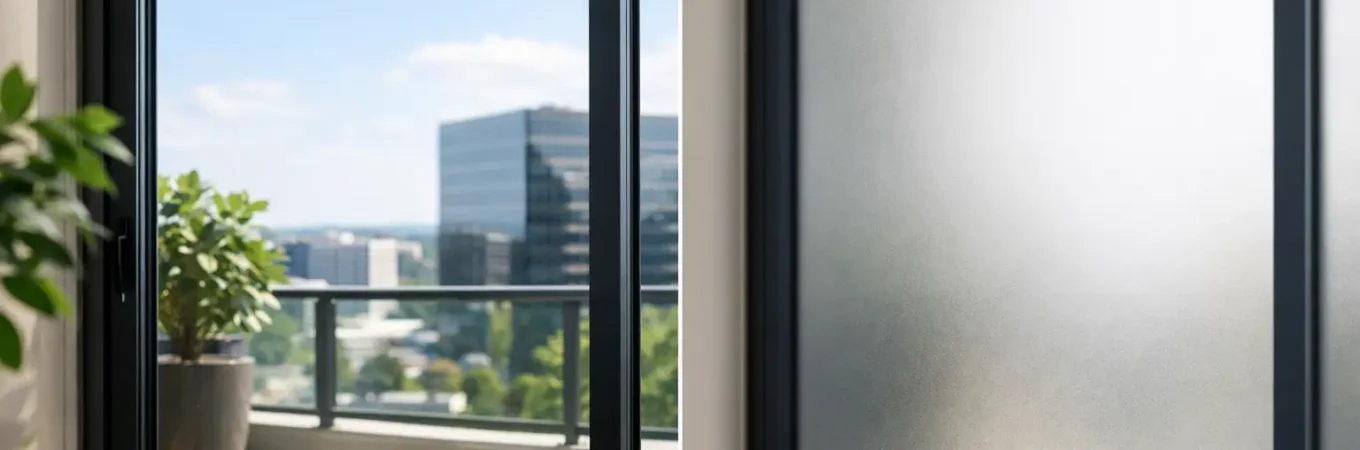
You notice it most when the sun is low and every window feels exposed. Maybe it is the front room that faces the street, an office with too much glare, or a vehicle that feels like a fishbowl at every stoplight. Privacy window film solves a very real problem – giving you more control over what people can see, how much heat comes through the glass, and how comfortable the space feels day to day.
For a lot of people, privacy starts as the main reason to look at film, but it usually is not the only benefit that matters once the job is done. The right film can also cut glare, help protect interiors from UV exposure, and make a room or vehicle feel noticeably more comfortable. That is why privacy film keeps coming up for homeowners, business owners, and drivers who want a practical upgrade instead of a major renovation.
What privacy window film actually does
Privacy window film is a thin layer applied to glass to reduce visibility through the window while still allowing light in. Depending on the product, that can mean a reflective exterior look during the day, a frosted finish that blurs visibility, or a darker tint that limits how easily people can see inside.
The big detail people often miss is that not all privacy film works the same way. Some films are designed mainly for daytime privacy, which means they work best when it is brighter outside than inside. Others are better for decorative privacy, such as conference rooms, bathroom glass, sidelights, or entry doors where you want light but do not want a clear line of sight.
That difference matters because the best choice depends on the glass, the room, and what kind of privacy you actually want. If you want to block a street-level view into your living room, one type of film makes sense. If you want to obscure a glass office partition, another type is usually the better fit.
Where privacy window film works best
In homes, privacy window film is a strong fit for front-facing windows, bathrooms, sidelights next to doors, and any room where blinds stay shut more often than you would like. A lot of homeowners want natural light without feeling like they are on display, and film can help create that balance.
In commercial spaces, it is often used on storefront glass, office partitions, waiting areas, and exterior windows that get strong afternoon sun. Some business owners care most about privacy for customers or staff. Others start with glare and heat issues, then realize film can improve privacy at the same time.
For vehicles, privacy is part of the appeal, but it usually goes hand in hand with appearance, comfort, and UV protection. Side and rear tint can make the cabin feel more private, especially for commuters, families, and anyone who carries tools, gear, or valuables. It also gives the vehicle a cleaner, more finished look.
The trade-offs people should know upfront
Privacy film is useful, but this is one of those upgrades where expectations need to be realistic. If you choose a reflective daytime privacy film for a home or business, it will not give you the same privacy at night when interior lights are on. Once the inside is brighter than the outside, visibility can shift.
That does not mean the film is failing. It just means the product is doing what it is designed to do. If nighttime privacy is the priority, frosted or more obscuring films may make more sense in certain areas.
There is also a trade-off between privacy and light transmission. In general, darker films create more privacy, but they also reduce visible light. Some people love that because it cuts glare and softens the room. Others decide they want a lighter film that keeps the space brighter, even if it gives up a little privacy.
That is why the best installations start with a conversation about how the glass is used, what direction it faces, and what bothers you most right now. There is no single film that is perfect for every window.
Privacy window film for homes
Homeowners usually come in with one of two frustrations. The first is exposure – neighbors, street traffic, or a front door area that feels too open. The second is comfort – hot rooms, washed-out TV screens, and sunlight that hits hard during certain parts of the day.
A well-chosen film can address both. Reflective and darker privacy films can reduce how visible the interior is during daylight hours while also helping with glare and solar heat. Frosted options work well for bathrooms, door glass, and other spots where privacy matters more than a view.
The advantage over curtains or blinds is simple: you keep more usable daylight. Instead of closing everything off, you can often make the room feel more private without making it feel shut in. For many homeowners, that is the whole win.
Privacy window film for offices and storefronts
Commercial properties have different priorities, but the same principle applies. You want the glass to work for the space, not against it.
In offices, privacy film can make meeting rooms, interior glass panels, and street-facing windows more functional. It can reduce distractions, improve comfort, and create a cleaner professional look. Frosted film is especially popular where you want privacy without sacrificing a modern glass design.
For storefronts and customer-facing businesses, it depends on the goal. Some want partial privacy while still keeping an open feel. Others want to reduce glare, keep interiors cooler, and make the space feel more secure. In those cases, film can do more than one job at once, which is part of why it is such a practical upgrade.
Vehicle privacy film and what drivers really want
On vehicles, the word privacy usually overlaps with tint. Most drivers are not only trying to limit visibility into the cabin. They also want heat reduction, UV protection, and a better look.
That is where film quality matters. Entry-level options can improve privacy and appearance, but higher-end films can do a much better job with heat rejection and long-term performance. Carbon film is a solid value choice for many drivers. Ceramic and ceramic IR options are stronger when comfort is a bigger priority, especially during East Tennessee summers.
The right setup depends on how you use the vehicle. A daily commuter, a family SUV, and a weekend truck may all need different levels of tint and different film performance. It also needs to be done cleanly, because poor installation shows fast on automotive glass.
Why professional installation matters
Window film looks simple until it is not. Dust, contamination, edges, shrinking, and glass prep all affect the final result. A bad install can leave visible debris, peeling corners, haze, or damage from sloppy removal and replacement.
Professional installation is not just about making it look good on day one. It is about getting the film to lay correctly, last longer, and perform the way it should. That matters on homes and businesses, but especially on vehicles where curves, defrosters, and tight edges leave less room for mistakes.
A good shop will also help you choose based on real use, not guesswork. That means talking through privacy needs, film shade, heat performance, and the trade-offs that come with each option.
Choosing the right privacy window film
The best place to start is with the problem you want to solve first. If your main issue is people seeing in during the day, reflective or darker film may be the right fit. If the issue is a bathroom, office partition, or entry glass, frosted film may be the better answer. If you are tinting a vehicle, privacy should be considered alongside heat rejection, UV protection, and appearance.
Budget matters too, but cheapest is not always best value. Better film typically holds up longer, looks cleaner, and performs better over time. That can make a noticeable difference in both property and automotive applications.
For Knoxville-area homeowners, business owners, and drivers, this is one of those upgrades that feels small until you live with it. The right privacy window film changes how a space looks, feels, and functions every day. If you are tired of closing blinds, battling glare, or feeling too exposed behind glass, it is probably worth having the conversation with a shop that does this work every day, like 865 Tint, and can match the film to the way you actually use the space.