
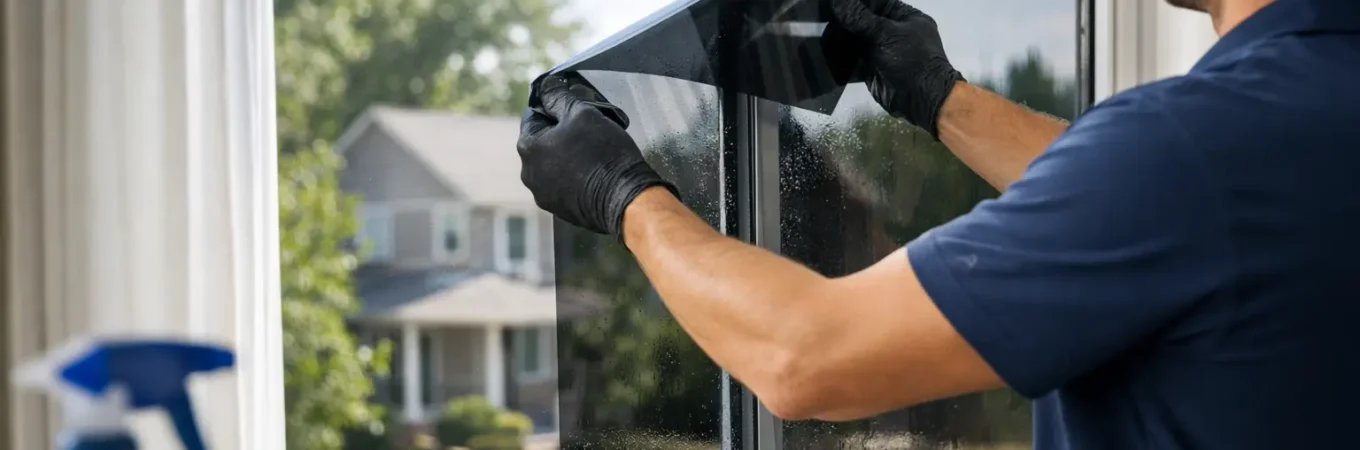
That west-facing living room can feel completely different at 4 p.m. than it does in the morning. If you are searching for house window tint near me, you are probably not looking for a decorative upgrade alone. You want less glare on the TV, more comfortable rooms, better privacy, and protection for floors, furniture, and window coverings that take direct sun every day.
Professional residential window tint can help with all of that, but the right film depends on the glass, the room, and what you want it to do. A darker film is not automatically a better heat-control film. A highly reflective film may improve daytime privacy but change the exterior look of your home. The best choice starts with a clear look at the problem you are trying to solve.
What House Window Tint Can Do for Your Home
Residential window film is a thin, professionally installed layer applied to the interior side of most existing windows. Quality film can reduce glare, reject a portion of solar heat, and filter UV exposure without replacing the window itself. For many Knoxville homeowners, that makes it a practical option when one side of the house gets harsh afternoon sun or a certain room never seems to cool down evenly.
The biggest everyday benefit is comfort. Tint can make bright rooms easier to use without closing the blinds all day. It can also help protect interior finishes. Sunlight can fade hardwood floors, rugs, upholstery, artwork, and merchandise near storefront windows over time. While no film stops every cause of fading, UV-filtering window film adds another layer of protection where sunlight is the biggest concern.
Privacy is another common reason to tint house windows. Films are available in shades and finishes that make it harder for people outside to see in during the day. Keep one detail in mind: most reflective privacy films work best when it is brighter outside than inside. At night, with indoor lights on, the effect can reverse. If around-the-clock privacy is the goal for a bathroom, entry sidelight, or street-facing room, a frosted or decorative privacy film may be the better fit.
How to Choose House Window Tint Near Me
A quick search can bring up a long list of installers, but the lowest quote does not always tell you what you are getting. Residential film is a long-term addition to your home. The installer should be able to explain the film type, the expected appearance, and whether it is compatible with your glass before work begins.
Start by identifying the windows that cause the most frustration. Is the issue glare in a home office? Heat in an upstairs bedroom? Fading near a large picture window? A lack of privacy near a front door? An experienced local tint shop should ask these questions instead of treating every window the same.
Then look at the film itself. Carbon and ceramic-style films can offer a more neutral appearance while helping with heat and glare. Reflective films can be effective for daytime privacy and solar control, but they are more visible from outside. Decorative and frosted films prioritize privacy and style. Premium films often deliver stronger heat rejection with less visible darkness, which matters when you want to preserve natural light.
The glass type matters just as much as the film. Modern insulated windows, older single-pane glass, specialty coatings, and certain double-pane units can react differently to solar absorption. Installing the wrong film on the wrong glass can increase thermal stress. A professional should inspect the windows, confirm compatibility, and recommend a suitable product rather than making a one-size-fits-all promise.
Ask About Film Samples in Your Actual Space
Film samples look different in a showroom than they do on your windows. The direction your home faces, nearby trees, interior wall colors, and outdoor reflections all affect the final result. Ask to compare samples at the window during the time of day when the problem is worst.
This is especially useful when choosing between a lighter ceramic film and a darker traditional film. The lighter option may provide the comfort improvement you need without making a room feel noticeably dimmer. On the other hand, a darker or more reflective film may be worth it if daytime privacy is your top priority.
Get Clear on Price and Scope
Residential tint pricing depends on square footage, window access, film type, window shape, and preparation needed. Large panes, high windows, French doors, skylights, and windows behind heavy furniture can take more time than standard glass. A trustworthy quote should make clear what is included, which film is being used, and whether removal of old film is part of the job.
Cheaper film can be tempting for a room that needs a quick fix, but it may not offer the same clarity, heat performance, color stability, or warranty coverage as premium options. The right choice is not always the most expensive one. It is the film that solves your problem without paying for performance you do not need.
Signs You Need Professional Installation
DIY film kits can work for a small, simple pane of glass, but large residential windows leave little room for mistakes. Dust, trapped debris, uneven cuts, creases, and poor edge finishing are easy to notice once sunlight hits the glass. Removing a failed DIY installation can also take far more time than expected.
Professional installation is especially worthwhile for oversized windows, insulated glass, high-access areas, and applications where appearance matters. A trained installer has the tools to clean and prep the glass correctly, make precise cuts, and finish edges cleanly. That attention to detail helps the film look like it belongs on the window instead of looking like an afterthought.
At 865 Tint, homeowners can choose from film options based on comfort, privacy, appearance, and budget, with straightforward guidance before installation. The goal is simple: recommend a film that fits the window and the way you use the room.
Questions to Ask Before Booking
Before you choose an installer, ask how long the film has been used in residential applications and what warranty applies to both the material and the installation. Ask whether the quoted product is designed for heat rejection, UV filtering, privacy, security, or decoration. These are different jobs, and one film does not always do all of them equally well.
You should also ask what to expect after installation. Most window films need time to cure. During that period, mild haziness or small water pockets can appear as the mounting solution dries. Your installer should explain normal curing expectations, cleaning instructions, and when it is safe to put furniture or blinds back in place.
For cleaning, soft cloths and ammonia-free cleaners are usually the safe choice. Avoid abrasive pads, blades, and harsh cleaners that can scratch the film. Good film is made to last, but simple care protects the finish and keeps the glass looking clear.
When Window Tint Is Not the Only Answer
Tint is a strong solution for solar glare, heat, and UV exposure, but it is not a replacement for every window upgrade. If a window is drafty, has failed seals, or lets in water, film will not repair the underlying problem. If a room gets hot because of poor insulation, an undersized HVAC system, or a roof receiving intense sun, tint can improve comfort without solving the entire issue.
That does not make window film less valuable. It just means expectations should be realistic. In many homes, it works best alongside blinds, curtains, proper insulation, and a well-functioning heating and cooling system. For a room where sunlight is the main issue, though, tint is often one of the fastest ways to make the space more usable.
The best local installer will not push the darkest film or the highest-priced option by default. They will look at your windows, listen to what is bothering you, and help you choose a clean, practical solution that makes being at home more comfortable every day.