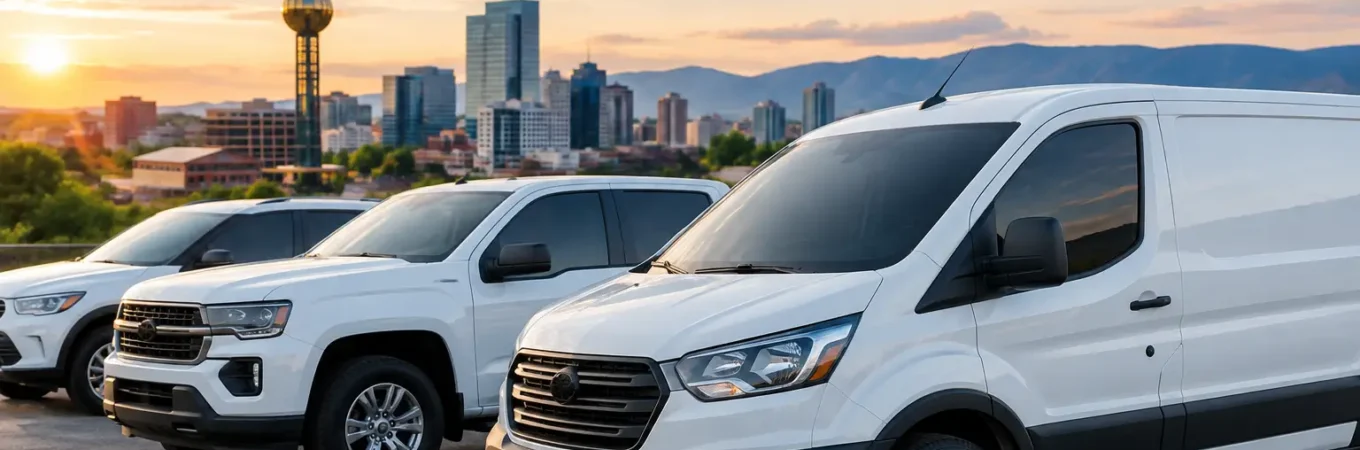
A work vehicle is often the first thing a customer sees. Whether it is a single service van or a growing lineup of trucks, fleet tint gives your vehicles a cleaner, more professional appearance while helping drivers stay more comfortable on East Tennessee roads.
For businesses that spend long hours moving between job sites, heat, glare, and sun exposure are more than small annoyances. They affect driver comfort, visibility, upholstery, electronics, and the impression your company makes when it pulls into a driveway or commercial property. Professional window tint is a practical upgrade that works every mile your vehicles are on the road.
Why Fleet Tint Makes Sense for Working Vehicles
A fleet has different needs than a personal weekend vehicle. Your trucks, vans, SUVs, or company cars have to look dependable, hold up to daily use, and support the people behind the wheel. Tint helps on all three fronts.
The most immediate benefit is glare reduction. Morning sun, late-afternoon glare, and bright reflections off pavement can make a long route more tiring than it needs to be. Quality film softens that harsh light while maintaining clear outward visibility, helping drivers stay more comfortable during a full day of calls.
Heat reduction matters, too. Anyone who has opened a vehicle that has been parked in a Knoxville lot during July knows how quickly the cabin can heat up. Tint can reduce solar heat entering through the glass, which makes the vehicle more comfortable when the driver returns and can reduce the burden on the air conditioning system.
Then there is UV protection. Sunlight can fade dashboards, seats, door panels, and equipment stored in the cabin. Over time, that wear makes a fleet look older and less cared for. Window film helps block UV exposure that contributes to fading and interior deterioration.
Tint also gives a fleet a more uniform look. When every vehicle has the same clean glass appearance, it supports the rest of your branding – from decals and wraps to a simple company logo on the door. It is a small detail, but customers notice the difference between a company vehicle that looks maintained and one that looks thrown together.
Choosing the Right Fleet Tint Film
Not every fleet needs the most expensive film on the market. The right choice depends on how vehicles are used, how long they stay parked outside, who drives them, and what matters most to your business.
Carbon Film for a Clean, Affordable Upgrade
Carbon film is a solid choice for businesses that want improved appearance, privacy, glare reduction, and UV protection at an affordable price. It delivers a clean, non-reflective look without turning a fleet upgrade into a major expense.
For local service businesses with several vehicles, carbon tint can be a smart way to create a consistent look across the fleet. It is especially useful when appearance and basic comfort are the priority.
Ceramic Film for Better Heat Control
Ceramic film is the better fit when vehicles spend a lot of time on the road or parked in direct sun. It is designed to reject more heat than standard options while maintaining visibility and avoiding the heavy, mirror-like look some business owners want to avoid.
Entry ceramic is a strong middle-ground option for fleets that need better comfort without jumping straight to the highest film tier. Ceramic IR and Ceramic Ultra are worth considering for premium work vehicles, executive vehicles, or routes where drivers spend most of the day behind the wheel.
The trade-off is cost. Higher-performing ceramic films typically cost more upfront, but they can make a noticeable difference in cabin comfort and long-term interior protection. For a business, the right answer may be premium film on high-use vehicles and a more budget-friendly option on vehicles with lighter duty.
Keep the Look Consistent Across Every Vehicle
Fleet tint works best when it is planned, not added one vehicle at a time with different shades and film types. A consistent tint choice helps vehicles look like part of the same business, even if the fleet includes different makes and models.
Before scheduling, decide what you want the fleet to accomplish. If privacy and a uniform appearance are the main goals, a consistent side-and-rear tint may be enough. If driver comfort is the bigger issue, heat-rejecting ceramic film should be part of the conversation. If the fleet includes cargo vans, consider whether darker rear glass would help protect tools and equipment from casual view.
It is also worth thinking about replacement vehicles. Choosing a film and shade you can repeat later makes it easier to add new trucks or vans without creating a mismatched lineup. That kind of consistency saves decision-making time as your business grows.
Legal Tint Matters for Business Fleets
A professional fleet should look sharp without creating problems at a traffic stop, inspection, or job site. Tennessee window tint rules apply to business vehicles just as they do to personal vehicles, and legal limits can vary depending on the glass location and vehicle type.
Front-side windows, rear-side windows, rear glass, windshield tint, and reflectivity are not all treated the same. Windshield tint is particularly limited, so it should never be approached as a one-size-fits-all add-on. A professional installer can help you select a legal option that gives you the benefits you want without crossing the line.
This is one reason fleet tint is worth handling through a specialized tint shop rather than treating it as a quick aftermarket purchase. Cheap film, inconsistent shades, bubbling edges, and overly dark glass can make a company fleet look less professional – and cost more when it has to be removed and redone.
Installation Scheduling That Respects Your Workday
For most businesses, the biggest concern is downtime. A truck sitting at the tint shop is a truck that may not be making deliveries, responding to calls, or carrying a crew to the next job. The good news is that fleet tint can be scheduled in phases.
A smaller operation may choose to tint one or two vehicles at a time. Larger fleets can be organized around slower days, spare vehicles, or a planned rotation. The goal is to get a consistent result without putting your schedule on hold.
Clean installation matters just as much as scheduling. Professional tint should be applied carefully, with attention to edges, door panels, defroster lines, and glass condition. If your fleet already has old tint that is bubbling, peeling, or turning purple, removal should be done properly before new film is installed. Rushing removal can leave adhesive behind or create unnecessary risk around rear defrosters and glass components.
Fleet Tint Is More Than a Cosmetic Upgrade
The appearance benefit is real, but fleet tint earns its place because it supports the daily work your vehicles do. It can reduce glare for drivers, help control interior heat, protect cabin materials from UV exposure, and make a mixed lineup feel more intentional.
For a Knoxville contractor, real estate team, delivery operation, home service company, or sales organization, that can translate into a better experience for employees and a stronger impression for customers. The vehicles may be working hard, but they do not have to look worn down while they do it.
865 Tint can help you compare film options, choose a practical shade, and build a fleet tint plan that fits your vehicles, your budget, and the way your business operates. A well-tinted fleet does not need to be flashy. It just needs to look consistent, stay comfortable, and represent your business well at every stop.