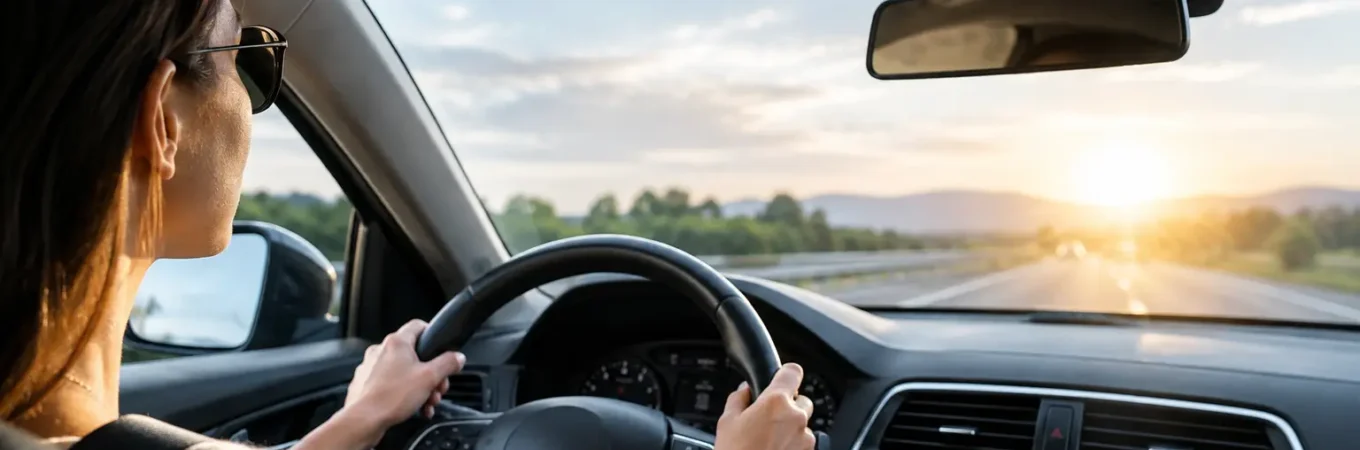
That late-afternoon drive on I-40 can turn a normal commute into a squinting contest. Sun bouncing off pale pavement, wet roads, windshields, chrome, and the vehicle beside you creates glare that is more than annoying – it can make hazards harder to see. If you want to reduce car glare with tint, the right film and a professional installation can make a noticeable difference without making your vehicle feel too dark to drive safely.
Window tint is often chosen for looks and privacy first. But for Knoxville drivers dealing with bright summer sun, changing elevation, early morning commutes, and long stretches of open road, glare control is one of the most practical reasons to have it installed.
Why Car Glare Is More Than a Minor Distraction
Glare reduces contrast. In simple terms, your eyes have a harder time separating the road, lane markings, traffic lights, pedestrians, and other vehicles from a bright background. Your eyes also need time to recover after looking toward direct sunlight or a strong reflection.
That matters when traffic slows quickly or when you are turning through an intersection with the sun sitting low in front of you. Polarized sunglasses can help, but they only work when you are wearing them, and some drivers do not like how they interact with certain dashboard displays. Quality window film gives your side and rear glass a consistent layer of glare control every time you get behind the wheel.
Tint will not replace a clean windshield, working wipers, sun visors, or safe driving habits. It is one piece of a better visibility setup. The goal is to reduce harsh light while keeping your view of the road clear in daylight, rain, and at night.
How Window Tint Helps Reduce Car Glare
Tinted film filters a portion of visible light before it reaches your eyes. A film with a lower visible light transmission, or VLT, allows less light through the glass. Less incoming light can mean less intense sunlight and fewer distracting reflections from cars, storefront windows, and pavement.
The best result is not always the darkest possible tint. A very dark film may feel comfortable in direct sun, but it can reduce visibility after dark, especially on unlit East Tennessee roads or during heavy rain. The right shade depends on where the glass is located, how you drive, and what is legal for your vehicle.
Your side windows are usually the biggest opportunity for glare reduction. Tint on the rear glass can also cut down harsh light coming from behind, including bright headlights and reflected sun. A legal windshield brow or sun strip may help with the low sun that sits just above your visor line, but windshield tint needs extra care because visibility and state regulations matter.
Glare Reduction Is Not the Same as Heat Rejection
Heat rejection and glare reduction overlap, but they are not identical. A dark basic film can reduce visible light and make the cabin feel less exposed, while a high-quality ceramic film can reject more infrared heat even at a lighter shade.
That means a lighter ceramic film may be the better choice for a driver who wants a clear, open look with real comfort benefits. If your main complaint is blinding afternoon sun through the side windows, shade is a major factor. If your vehicle feels like an oven even with moderate tint, infrared rejection becomes more important.
Choosing the Right Tint for Knoxville Driving
The best film is the one that fits your vehicle, driving habits, budget, and visibility preferences. At 865 Tint, customers can choose from several film levels rather than being pushed into one option that may not fit their needs.
Carbon film is a strong value choice for drivers who want privacy, a clean appearance, and meaningful glare reduction at an affordable price. It is a practical upgrade for a daily driver, especially if you spend a lot of time parked outdoors.
Entry ceramic film is worth considering when you want better heat performance without jumping straight to the highest-tier option. It can be a good middle ground for commuters who want less glare and less cabin heat while maintaining a lighter, more natural view out of the glass.
Ceramic IR and ceramic ultra films are built for drivers who want premium heat rejection and comfort. These options are especially appealing in vehicles with large glass areas, dark interiors, leather seats, or long daily commutes. They can deliver excellent performance without requiring the darkest film shade, which is useful when nighttime visibility is a concern.
Think About Where You Drive After Dark
A tint shade that feels perfect on a sunny Saturday afternoon may feel different at 10 p.m. on a rural road. If you regularly drive through poorly lit areas, back roads, construction zones, or heavy rain, be honest about how much light you need through your windows.
This is where a professional conversation matters. There is no single “best” percentage for every car. A driver in downtown Knoxville with well-lit routes may make a different choice than someone commuting from surrounding communities before sunrise or after dark. Your installer should help you balance comfort, appearance, and usable visibility instead of treating tint like a one-size-fits-all purchase.
What About Windshield Tint?
Windshield tint is one of the most misunderstood parts of vehicle tinting. A full windshield film can offer impressive heat and glare control when the product and shade are appropriate, but windshield laws vary by state and can be specific about where tint is allowed and how dark it can be.
For Tennessee drivers, it is smart to discuss your goals before selecting windshield film. In many cases, a legal top strip is the straightforward answer for low-angle sun. It can make a real difference during morning and evening drives when your visor alone does not block enough light.
If you are considering anything beyond a sun strip, ask about legal requirements, film shade, and nighttime driving. The safest choice is the one that improves comfort without compromising your ability to see clearly or creating trouble during an inspection or traffic stop.
Installation Quality Affects Visibility
Even premium film cannot perform at its best if the installation is rushed. Poorly installed tint can leave bubbles, contamination, uneven edges, or visual distortion that becomes especially noticeable in bright light. Those issues are frustrating on any window, but they are a bigger concern on glass you rely on while driving.
Professional preparation matters. The glass should be thoroughly cleaned, the film should be carefully cut and fitted, and the installer should use methods that protect your vehicle’s interior panels and electronics. Clean edges and proper curing help the finished tint look factory-installed rather than like an afterthought.
After installation, give the film time to cure as instructed. You may see some light haze or small water pockets during the curing period. That is normal in many cases and typically clears as moisture evaporates. Avoid rolling tinted windows down until your installer says it is safe to do so.
Simple Ways to Get More Out of Your Tint
Tint works best alongside a few basic habits. Keep both sides of your windshield clean, because film on the outside and residue on the inside can amplify glare. Replace worn wiper blades, use washer fluid that actually cleans, and repair windshield chips before they spread into your line of sight.
A good pair of sunglasses can still be useful for direct forward-facing sun. Use your visor when the sun is low, but avoid positioning it in a way that blocks traffic signals or pedestrians. If dashboard reflections are a problem, reducing clutter and keeping the dash clean can also help.
Most importantly, choose a tint setup based on your actual driving. The right film should make bright conditions easier on your eyes while still giving you confidence when daylight fades.
A better drive does not have to mean a darker drive. With the right shade, the right film, and careful installation, you can cut the glare that wears you out on the road and enjoy your vehicle more every mile.