A low morning sun can turn an ordinary Knoxville commute into a squinting contest. That is why the windshield tint vs visor strip decision matters more than most drivers expect. Both options can cut glare and make driving more comfortable, but they do very different jobs – and choosing the wrong one can leave you wishing you had gone with more coverage.
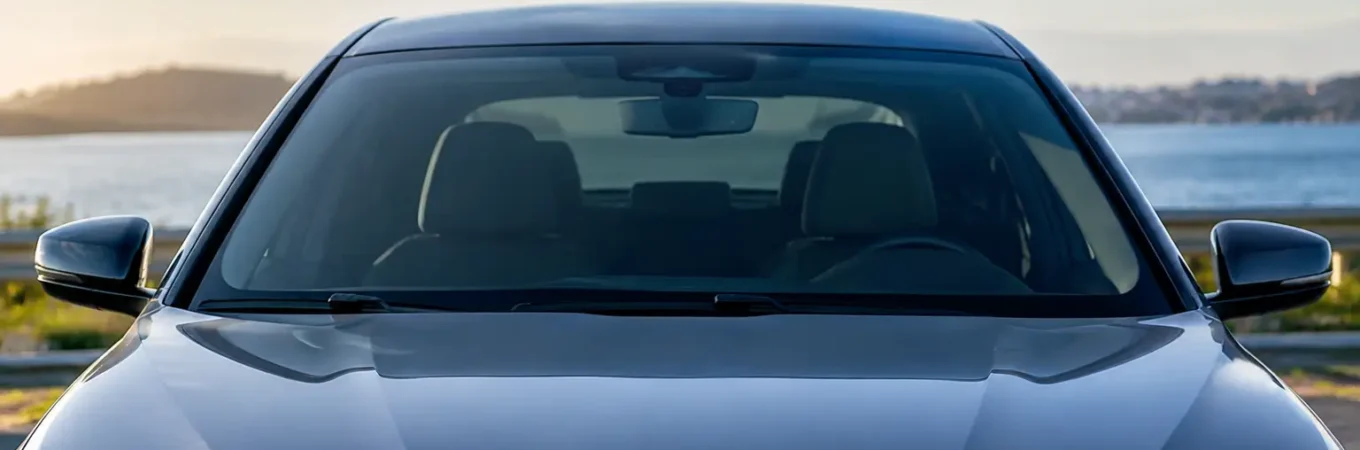
A visor strip is the simple, familiar option: a dark band across the top of the windshield. Windshield tint covers the full piece of glass with a much lighter, nearly clear heat-rejecting film. One is mainly about blocking direct sunlight. The other is about improving comfort throughout the cabin without dramatically changing the look of your windshield.
Windshield Tint vs Visor Strip: The Main Difference
The biggest difference is coverage. A visor strip only protects the upper section of the windshield, where the sun often sits during morning and late-afternoon drives. It gives you a shaded area to look through when the sun is low, similar to an upgraded built-in sun visor that stays in place.
Full windshield tint covers the entire windshield with a light film. When the right ceramic film is used, it can reject a meaningful amount of infrared heat and UV exposure while remaining clear enough for safe visibility. It is a comfort upgrade for the whole drive, not just a glare solution for one angle of sunlight.
That does not mean full windshield tint is automatically the better choice. A visor strip is usually more affordable, more visually subtle from inside the vehicle, and ideal for drivers who are primarily bothered by direct glare. Full windshield tint costs more and requires extra thought around visibility, local regulations, and film selection.
Choose a Visor Strip If Glare Is Your Biggest Problem
For plenty of drivers, a visor strip is exactly enough. If you regularly drive east in the morning or west in the evening, the sun can sit right in your line of sight. Your factory visor helps, but it can also block too much of the road, traffic lights, or overhead signs. A professionally installed strip provides a fixed shaded zone without forcing you to keep moving the visor around.
It is also a clean styling upgrade. A visor strip can give a truck, SUV, sedan, or sports car a more finished look, especially when it matches the shade used on the side windows. It is a popular option for drivers who want a little extra function and appearance without changing the entire windshield.
The trade-off is simple: it only works at the top. It will not do much for heat entering through the middle and lower parts of the windshield, and it will not provide full-windshield UV protection for your dashboard, seats, and skin during long drives.
What Makes a Good Visor Strip?
Placement matters. A strip that is too shallow may not block the sun when you need it. One that is too deep can interfere with your view of traffic signals, especially in taller vehicles or when you are stopped close to an intersection. A professional installer can help determine a practical height based on your vehicle, seating position, and applicable windshield rules.
Film quality matters, too. Cheap film can fade, turn purple, bubble, or peel. A quality carbon or ceramic option holds its color better and gives the strip a cleaner look over time.
Choose Full Windshield Tint for Heat and UV Control
Full windshield tint makes the most sense for drivers who feel the heat through the front glass every day. The windshield is one of the largest glass surfaces on your vehicle, so it can bring in a lot of solar energy. Even with dark side windows, your cabin may still feel hot because the front windshield is doing most of the work against the sun.
A high-quality light ceramic windshield film can help reduce infrared heat without making the windshield look dark. That difference is especially noticeable in East Tennessee summers, when a vehicle parked outside can become uncomfortable fast. Your air conditioning may not have to work as hard to catch up, and front-seat passengers can feel less direct heat on their arms and face.
Full windshield tint is also a smart option for vehicles with leather interiors, large dashboards, touchscreens, and other surfaces that spend years in direct sunlight. No film stops all aging, but UV protection can help reduce the daily exposure that fades materials and dries out interior finishes.
Clear Film Does Not Mean No Performance
Many people hear “windshield tint” and picture a dark windshield that is hard to see through at night. That is not what most drivers need. Premium ceramic films are available in very light shades that keep the glass looking close to factory while still delivering heat and UV benefits.
The film tier you choose makes a real difference. Basic dyed film is not the right choice for most windshields because its heat performance is limited. Carbon film can be a practical upgrade for some applications, while ceramic and ceramic IR films are better suited for drivers focused on heat rejection. High-end ceramic ultra options are built for customers who want the strongest performance with a clean, low-visibility appearance.
Visibility Is the Deciding Factor for Many Drivers
Daytime driving is only half the equation. Before choosing windshield tint, think about how and where you drive after dark. Rural roads, heavy rain, construction zones, unlit parking areas, and early winter sunsets all demand clear vision.
A properly selected light ceramic windshield film should preserve a natural view, but every driver has different comfort levels. If you already struggle with night glare, wear glasses, or frequently drive on poorly lit roads outside Knoxville, a visor strip may be the more comfortable option. It still addresses direct sun while leaving the main windshield completely unchanged.
Your vehicle also matters. Modern cars often have cameras, sensors, heads-up displays, and advanced driver-assistance equipment mounted near the windshield. An experienced tint shop will work carefully around those areas and use installation methods that protect your vehicle. Clean workmanship matters here. A rushed install can create contamination, uneven edges, or damage around sensitive trim.
What About Tennessee Tint Rules?
Windshield tint rules are not something to guess about. Tennessee and local enforcement expectations can affect what is permitted on the front windshield, including the allowable area for a visor strip and the type of film used. Rules can change, and the legal answer may depend on the exact film, placement, and vehicle.
Before installing any windshield film, ask for a current, practical explanation of the options available for your vehicle. A reputable local shop should be straightforward about what is commonly installed, what is intended for off-road or show use, and what may create legal concerns. The goal is not just a better-looking vehicle. It is a setup you can feel good about driving every day.
Cost: A Small Upgrade vs a Full Comfort Package
A visor strip is generally the lower-cost choice because it uses less material and takes less installation time. It is an easy add-on when you are tinting your side windows or looking for a quick glare solution.
Full windshield tint is a larger investment, particularly with premium ceramic film. But it delivers broader benefits every time you drive: less heat across the front cabin, more UV protection, and a more comfortable feel when the sun is beating through the glass. For drivers who spend a lot of time in their vehicle, the added cost can make sense quickly.
If budget is the deciding factor, start with the benefit you will notice most. Choose a visor strip if low sun is your biggest frustration. Choose a light ceramic windshield film if cabin heat and UV exposure bother you throughout the day. If you want both, a visor strip paired with an appropriate windshield film can offer a layered solution, as long as it fits your visibility preferences and applicable rules.
Get the Look and Performance That Match Your Drive
There is no one-size-fits-all answer to windshield tint vs visor strip. A work truck that spends all day on the road may benefit most from heat-rejecting ceramic coverage. A daily driver that faces the sun on the way to work may only need a clean visor strip. A show vehicle may have a different goal altogether.
At 865 Tint, the best recommendation starts with how you actually use your vehicle, not a one-option sales pitch. Think about your daily route, where you park, how often you drive at night, and whether heat or glare is the bigger issue. That will point you toward a windshield solution that feels right every time you get behind the wheel.