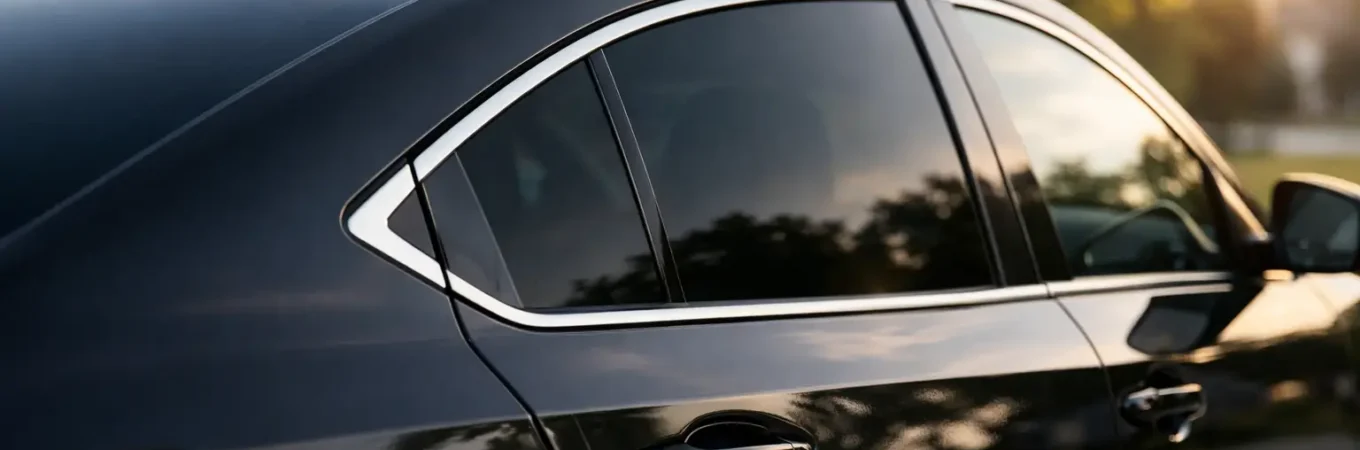
That bright afternoon sun hitting you from behind is more than annoying. It can create glare in mirrors, heat up the cabin, and make every drive feel less comfortable. Rear window tinting gives drivers a practical way to improve privacy, reduce glare, and help protect the interior without changing how they use their vehicle.
The rear glass is also one of the most noticeable areas of a tint job. When it is installed cleanly, the vehicle looks finished from every angle. When it is rushed, creased, bubbled, or cut around defroster lines poorly, it stands out for all the wrong reasons. That is why the installer and film choice matter just as much as the shade you choose.
What Rear Window Tinting Actually Does
A quality rear tint film controls visible light, solar heat, and ultraviolet exposure coming through the back glass. The results depend on the film type and darkness, but most drivers notice the difference quickly: less harsh glare in the rearview mirror, a cooler-feeling cabin, and more privacy for passengers and belongings.
Privacy is often the first reason people ask about tint. A darker rear window makes it harder for people outside the vehicle to see into the cabin, especially during daylight. It is useful for parents carrying gear, commuters who leave bags in the car, and anyone who simply prefers a more private look. Tint is not a replacement for keeping valuables out of sight, but it does make casual visibility through the glass more limited.
Rear window tinting also helps protect the interior. UV exposure can fade upholstery, damage leather, and dry out trim over time. Premium films are designed to block a high percentage of UV rays, giving the back seat, rear deck, and other interior surfaces another layer of protection.
Why the Rear Glass Requires Skilled Installation
Rear glass is rarely flat. Most vehicles have a curved back windshield, and that curve has to be managed correctly for the film to sit smoothly from edge to edge. Professional installers heat-shrink the film to match the shape of the glass before final installation. This is where experience makes a visible difference.
Defroster lines add another consideration. Those thin lines on the rear windshield are important for clearing fog and frost, so the film needs to be installed carefully without damaging them. A professional tint shop uses the right tools and technique to avoid unnecessary scraping, lifting, or contamination around the lines.
A clean install also takes time to prepare. The glass must be thoroughly cleaned, including along the edges and around seals where dust can hide. Even a small piece of debris can create a noticeable speck under the film. It is normal to see a little moisture or light haziness immediately after installation, but that should clear as the film cures.
Choosing the Right Film for Your Rear Window
The darkest film is not automatically the best choice. Your ideal rear window tinting setup depends on your vehicle, how often you drive at night, your need for heat control, and the look you want.
A carbon film can be a strong value option for drivers who want a clean appearance, better privacy, and solid glare reduction without moving into a premium price range. It is a practical choice for many daily drivers and works well when appearance and affordability are the top priorities.
Entry ceramic film is a step up for drivers who want more heat rejection. Ceramic technology is designed to reduce heat without relying on metal, which can be beneficial for drivers who want performance without interference concerns. For Knoxville summers, that extra heat control can make a real difference when your vehicle has been parked outside.
Ceramic IR film offers stronger infrared heat rejection and is a good fit for people who spend significant time on the road. If your rear passengers feel the afternoon sun, you have a dark interior that absorbs heat, or you want a more noticeable comfort upgrade, this tier is worth considering.
High-end ceramic ultra film is built for drivers who want maximum heat performance and long-term visual quality. It costs more up front, but it can be the right call for a newer vehicle, a luxury vehicle, or anyone who wants the best available heat reduction from their tint investment.
Film darkness and film performance are separate decisions. A lighter ceramic film may reject more heat than a darker basic film. That matters when you want to maintain better nighttime visibility while still improving comfort.
Visibility Matters, Especially at Night
Rear tint should make driving more comfortable, not make backing up stressful. Very dark film can look sharp during the day, but it may reduce visibility through the rear glass at night, in rain, or in poorly lit parking lots. Backup cameras help, but they do not show every angle around a vehicle.
Before choosing a shade, think about where and when you drive. A driver who spends most evenings on rural East Tennessee roads may prefer a more moderate shade than someone who primarily drives during the day around town. Your rearview mirror, side mirrors, backup camera, and personal comfort behind the wheel all deserve consideration.
A good tint professional should talk through those trade-offs instead of pushing every customer toward the same darkness. The goal is a tint job that looks right and works for your real driving habits.
Match the Rear Glass With the Rest of the Vehicle
The rear window is usually part of a larger tint plan. Many drivers tint the side windows and rear glass together so the vehicle has a consistent appearance and balanced privacy. If the rear glass is much darker or lighter than the sides, the finished look can feel mismatched.
Full sides-and-rear packages are popular because they create that uniform result while improving comfort throughout the cabin. If you have existing film on the side windows, a tint shop can evaluate its shade and condition before recommending a rear film that will complement it.
Existing tint is another reason not to take shortcuts. Old rear film can fade to a purple color, bubble, peel at the edges, or become difficult to see through. Removing rear tint can be more involved than removing film from a side window because of the defroster lines. The wrong removal method can damage those lines, so professional removal is the safer choice when the old film needs to come off.
Stay Within Applicable Tint Rules
Vehicle tint rules can vary by state and may address different windows in different ways. Before deciding on a shade, verify the current requirements that apply where your vehicle is registered and driven. Medical exemptions may apply in some situations, but they generally involve specific documentation and requirements.
The right shop will help you understand available options, but drivers are still responsible for complying with applicable laws. If you travel often, remember that visibility expectations and enforcement can differ across state lines.
What to Expect After Installation
After rear window tinting, avoid rolling down any tinted side windows if your installation includes them until the installer says it is safe. For the rear glass, the main job is patience. Film needs time to cure, and that process can take longer in cool or humid weather.
During curing, you may notice a slightly cloudy appearance, small water pockets, or a few tiny moisture specks. Those are often part of the normal drying process and should improve as the remaining installation solution evaporates. Do not press on the film or try to remove moisture yourself.
Once cured, clean the rear glass with a soft microfiber towel and an ammonia-free cleaner. Avoid abrasive pads, rough paper towels, and harsh chemicals. Consistent gentle cleaning helps keep the tint looking clear and professional.
A Better Rear View Starts With the Right Shop
Rear glass tint is not just a cosmetic add-on. It affects the way your vehicle looks, how comfortable it feels in the sun, and how confidently you can see behind you at night. The best results come from pairing the right shade and film technology with careful preparation and skilled installation.
For drivers around Knoxville, 865 Tint can help match rear window tinting to your vehicle, budget, and daily routine. Whether you want an affordable privacy upgrade or premium ceramic heat rejection, choose a film that makes every drive more comfortable and still feels right when the sun goes down.