That dark rear glass on a new SUV, truck, or crossover can look like window tint, but it does not perform like professional film. When comparing ceramic tint versus factory privacy glass, the biggest difference is simple: factory privacy glass is primarily about appearance and visibility, while ceramic tint adds meaningful heat, glare, and UV control.
For Knoxville drivers dealing with bright summer sun, a hot parking lot, or a long daily commute, that difference is easy to feel. Factory glass may give your back seat privacy, but it often leaves the cabin warmer than expected. Ceramic film can build on what your vehicle already has and make the entire driving experience more comfortable.
What Is Factory Privacy Glass?
Factory privacy glass is darkened glass installed by the vehicle manufacturer. You will usually find it on the rear doors, rear windshield, and cargo-area windows of SUVs, trucks, vans, and some crossovers. The color is built into the glass itself, so it will not peel, bubble, or scratch like an old, failing tint film.
It is useful for reducing visibility into the back of the vehicle. Parents may like it for shielding car seats and passengers, while truck and SUV owners often appreciate the cleaner, more private look. It can also slightly reduce glare compared with clear glass.
The limitation is that privacy glass is not the same thing as a heat-rejecting window film. In many vehicles, it blocks less heat and UV than drivers assume. You still have a darker window, but that does not automatically mean your interior, skin, and passengers are getting the level of protection a quality ceramic film provides.
What Ceramic Tint Does Differently
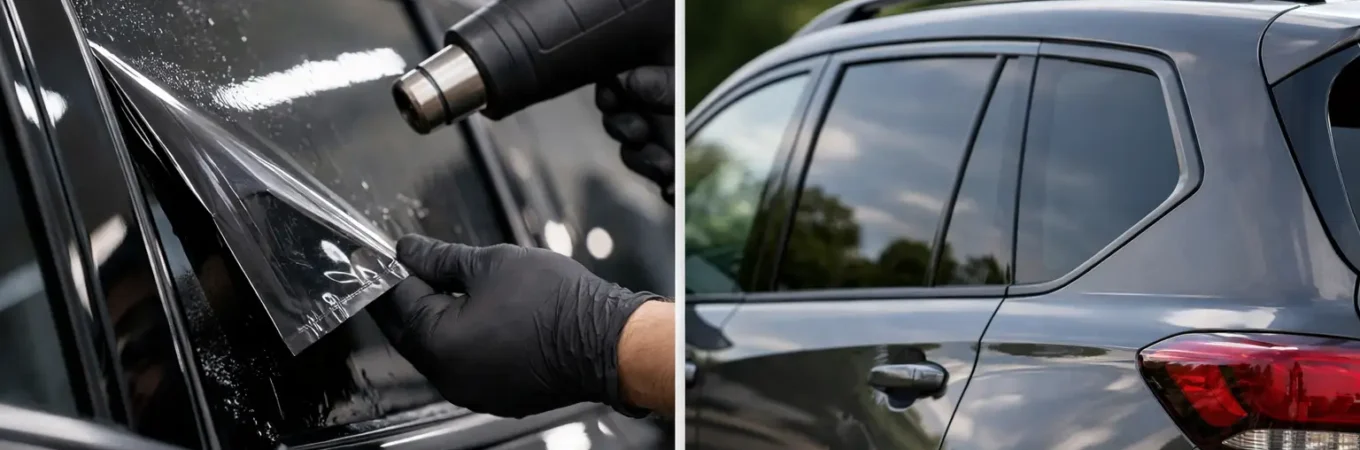
Ceramic tint is a premium window film installed on the inside of the glass. Instead of relying on dyes that can fade over time, ceramic film uses non-metallic ceramic particles designed to reject solar heat and filter UV exposure without interfering with electronics.
That makes ceramic tint a practical upgrade for drivers who want more than a dark appearance. Depending on the film tier and shade selected, ceramic tint can help reduce harsh glare, improve cabin comfort, protect interior materials, and make the vehicle easier to cool after it has been sitting outside.
Because it is non-metallic, ceramic tint is also a strong choice for modern vehicles with Bluetooth, GPS, cell service, keyless entry, and other signal-dependent features. A good professional installation gives you a clean, uniform finish without turning your vehicle into a mobile compromise.
Heat rejection is the biggest gap
If you are deciding between ceramic tint versus factory privacy glass because your vehicle gets hot, ceramic film is the clear upgrade. Factory privacy glass can make rear windows look dark, but darkness alone is not a reliable measure of heat rejection.
Ceramic film is built to address infrared heat, which is a major contributor to that intense, baked-in feeling when you get into a parked vehicle. The exact result depends on the film product, shade, vehicle size, windshield exposure, and how long the vehicle sits in direct sun. Still, customers generally notice that ceramic film makes a real difference on hot East Tennessee days.
A lighter ceramic shade can often reject more heat than a darker basic dyed film. That is why choosing tint only by how dark it looks can lead to disappointment. The right film should match what you want the vehicle to do, not just the look you want from the outside.
UV protection matters beyond appearance
Sunlight is hard on interiors. Over time, UV exposure can fade leather, dry out trim, discolor upholstery, and contribute to cracking in dashboards and panels. It also adds to your exposure during everyday driving.
Factory privacy glass may provide some UV filtering, but its performance varies by manufacturer and vehicle. Quality ceramic tint is designed to provide high UV protection across the windows where it is installed. That extra layer is especially valuable if your vehicle spends a lot of time outdoors, you carry children, or you simply want to preserve the condition and resale value of your interior.
Can You Put Ceramic Tint Over Factory Privacy Glass?
Yes. This is one of the most common upgrades for SUV and truck owners. Applying ceramic film to factory privacy glass does not replace the glass. It adds performance to it.
The rear windows may already be dark, but ceramic film can improve heat rejection and UV protection while making the shade more consistent with newly tinted front windows. This is often the best route for a vehicle that came with dark rear glass but clear front doors.
There is a trade-off to consider: adding film makes already-dark factory glass darker. A shade that looks moderate on clear front glass can look significantly darker once installed over privacy glass. That is why a professional should help you compare the final appearance and legal visible light transmission before installation.
Why Front Windows Change the Decision
Factory privacy glass almost never extends to the front driver and passenger windows. Those windows are usually clear from the factory, which can leave the vehicle looking uneven and allow more side glare and heat into the cabin.
Ceramic tint on the front doors creates a more balanced appearance while improving comfort where the driver and front passenger need it most. It also gives you the ability to choose a legal shade that fits your priorities, whether that means a subtle look with strong heat rejection or a darker appearance where permitted.
Windshield film is another separate decision. A clear or very light ceramic windshield film can help with heat and glare while maintaining visibility, but windshield tint rules are stricter than side-window rules. The right option depends on Tennessee regulations and the exact film being installed. A reputable local tint shop will explain the legal considerations before the work begins.
Appearance: Built-In Privacy vs. a Finished Tint Look
Factory privacy glass has a clean, original-equipment appearance. Since the color is in the glass, it looks natural and tends to match the rear portion of many vehicles well. For some owners, that is enough.
Ceramic tint offers more control. You can choose a shade that better matches your vehicle’s paint, interior, and style, while also upgrading its performance. It can make the front and rear windows look more intentional instead of leaving the vehicle with clear front doors and dark rear glass.
The best-looking result usually comes from thinking about the vehicle as a whole. A black truck with factory rear privacy glass may need a different front-door shade than a light-colored crossover. The goal is not always to go as dark as possible. It is to create a clean finish that looks right and works for the way you drive.
Cost: What Are You Actually Paying For?
Factory privacy glass is included in the vehicle price, so it can feel like the free option. But if you want better heat control, it may not be enough on its own. Ceramic tint costs more than entry-level film because the materials are engineered for higher performance, but it is an upgrade you can feel during daily use.
For drivers who mainly want a darker look and basic privacy, carbon film or a more affordable tint option may make sense. For drivers who park outside, commute often, travel with family, or want maximum comfort, ceramic tint is usually worth considering. Higher-tier ceramic options can provide stronger infrared heat rejection, especially when paired with a windshield solution that stays within legal limits.
At 865 Tint, the right recommendation should start with your vehicle and your priorities, not a one-size-fits-all package. A clear conversation about shade, budget, heat reduction, and legal limits helps avoid paying for features you do not need or choosing a film that does not solve the problem you actually have.
Which Option Is Right for Your Vehicle?
Factory privacy glass is enough when your main goal is rear-seat privacy and you are satisfied with the existing look. It is durable because it is part of the glass, and it requires no additional installation.
Ceramic tint is the better choice when you want noticeable heat reduction, strong UV protection, glare control, and a more consistent appearance from front to back. It is especially worthwhile for vehicles with factory privacy glass in the rear but clear front windows.
You do not have to choose one or the other. In most cases, the smartest setup is factory privacy glass with ceramic film added where it delivers the biggest benefit. Choose the shade carefully, keep visibility and local regulations in mind, and focus on how the vehicle will feel every time you get behind the wheel.
1 Comment
Are Tinted Windows Safe Nighttime? What to Know – 865 Tint
15 September 26 3:22 am[…] vehicle already has glass that absorbs some light. Factory privacy glass on many SUVs and trucks can look dark from the outside, but it is not the same as window film and […]