
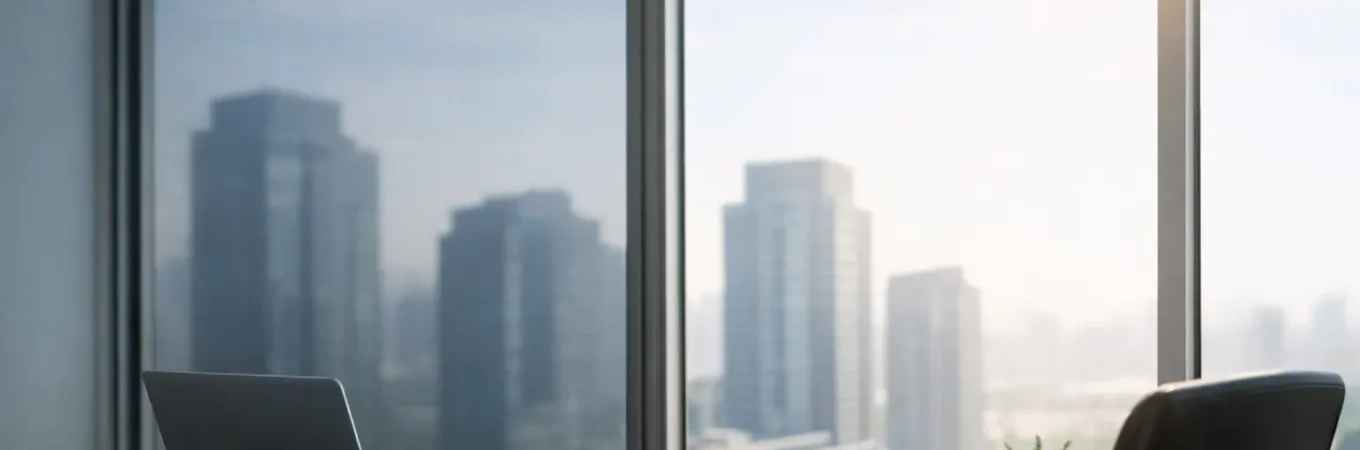
By 10 a.m., the sun hits one side of the office, monitors start reflecting like mirrors, and suddenly half the room is squinting, shifting desks, or closing blinds. That is usually the point when office window film for glare reduction stops sounding like a nice upgrade and starts sounding like a practical fix.
For businesses, glare is more than a small annoyance. It affects comfort, productivity, presentation quality, and how usable your space feels throughout the day. If your team deals with bright afternoon sun, hard-to-see screens, or conference rooms that never quite work right, window film is one of the simplest ways to make the space feel better without major renovation.
Why glare becomes a real office problem
Natural light is great until it starts working against the room. In many offices, big windows are a selling point. They make the space feel open and professional. But when direct sunlight lands on monitors, glass walls, polished floors, or meeting room tables, it creates eye strain and visual distraction that people notice fast.
The usual quick fix is to close blinds or curtains. That helps with brightness, but it can also make the office feel darker, more closed off, and less inviting. You end up trading one problem for another. Office window film for glare reduction helps balance the room instead of forcing you to shut out the daylight altogether.
This matters even more in workplaces with computer-heavy roles. If your staff spends most of the day on screens, glare is not occasional. It is constant. Employees may adjust monitor angles, move chairs around, or avoid certain workstations altogether. Over time, that gets frustrating. A better glass solution makes the room more usable from open to close.
How office window film for glare reduction works
Window film is applied directly to the existing glass. Its job is to reduce the intensity of incoming light, cut harsh reflections, and improve comfort while still allowing natural light into the space. Depending on the film selected, it can also help with heat rejection, UV protection, and daytime privacy.
That is where a lot of business owners see extra value. They may start by wanting less glare in front offices or workstations, then realize film can also help protect flooring, furniture, displays, and interiors from sun damage. It can also help keep rooms more consistent in temperature, which matters in offices with large sun-facing windows.
Not every film performs the same way, though. Some options are better suited for basic glare control, while higher-end films may do a better job with heat rejection and overall comfort. The right choice depends on your building, your glass, the direction of the sun, and how the space is actually used.
What glare reduction changes day to day
The biggest benefit is simple – people can see better and work more comfortably. Screens become easier to read. Conference rooms feel more functional. Reception areas stay bright without looking washed out. Employees are less likely to fight the light all day.
That comfort adds up. When glare is reduced, people stop making constant little adjustments just to work normally. You are not pulling shades up and down, rotating desk setups, or trying to schedule around the brightest hours of the day. The office feels more controlled.
For customer-facing businesses, appearance matters too. Strong glare can make a space feel hotter, harsher, and less polished than it should. Film helps create a cleaner look from the inside while still preserving the professional feel of glass. If you want natural light without the downside, this is often the most practical route.
Choosing the right film for your office
This is where a professional install matters. A film that is too dark can change the look of the office more than you want. A film that is too light may not solve the problem enough. The best result usually comes from matching the film to the room, not just picking the darkest option available.
For example, a west-facing office with intense afternoon sun may need stronger glare and heat control than an interior conference room with moderate brightness. A front lobby may call for a different balance than a back office full of workstations. If aesthetics matter, you also want a film that looks clean and consistent across the building.
There is also the question of performance level. Some businesses want an affordable solution that noticeably cuts glare. Others want a premium film that improves comfort, rejects more heat, and delivers stronger long-term value. It depends on your priorities, your building layout, and your budget.
A quality installer should walk you through those trade-offs clearly. You should know what each film level is expected to do, how it will look on the glass, and what kind of improvement to expect in the spaces causing the most trouble.
Common areas where film makes the biggest difference
Offices tend to have a few repeat problem spots. Front windows often create harsh morning or afternoon glare. Conference rooms with large glass exposure can become difficult to use for presentations. Shared workspaces may have certain desks that nobody wants because the lighting is always too aggressive.
Break rooms and waiting areas can benefit too. If the room gets overly bright or hot during certain parts of the day, film helps make the space more comfortable without shutting it in. In retail-style offices or storefront business settings, that can improve both employee comfort and the customer experience.
Even a single side of the building can make a noticeable difference. You do not always have to treat every piece of glass to get value. Sometimes the best return comes from solving the worst problem areas first.
Why professional installation matters
Office glass is not the place for a shortcut. Clean installation matters because flaws show. Bubbles, peeling edges, contamination, or uneven application can turn a smart upgrade into something that looks cheap fast.
Professional installation also matters because commercial spaces often have different glass types, larger panes, and more visible sightlines than a typical home project. The film needs to be installed cleanly and correctly so it performs well and looks right in a professional setting.
There is also a trust factor. Business owners want the work done without creating disruption, damage, or a drawn-out process. A specialized tint shop understands how to work efficiently, communicate clearly, and recommend films based on actual use, not guesswork.
That is a big reason local businesses choose experienced providers instead of treating window film like a generic add-on service. Good workmanship shows up in the final look and in how well the film holds up over time.
When office window film for glare reduction is worth it
If your office gets strong sun for only a few minutes a day, it may not be a priority. But if glare affects your team daily, impacts screen visibility, makes rooms harder to use, or forces you to keep blinds closed most of the time, film is usually worth a serious look.
It is especially valuable when you want to improve comfort without replacing windows or changing the layout of the office. Compared with bigger building upgrades, film is a straightforward improvement with immediate day-to-day benefits.
For Knoxville-area businesses dealing with bright sun, warm interiors, and workspaces that never feel quite comfortable, the right window film can fix more than one problem at once. It can reduce glare, improve appearance, support a more comfortable environment, and help your office work the way it should.
At 865 Tint, that is the goal – practical results, clean installation, and film options that match the way your space is actually used. If your office has a glare problem, you do not need to keep working around it. A better glass solution can make the whole room easier to live with.