A black dashboard that is too hot to touch, a steering wheel that burns your hands, and an AC system working overtime are all signs that sunlight is getting through your glass. If you are asking which tint blocks infrared heat, the short answer is ceramic tint, especially a ceramic IR or high-end ceramic ultra film. But the best choice still depends on your budget, the shade you want, and whether you are tinting a vehicle, home, or business.
Infrared heat is the part of sunlight that makes a car cabin or room feel hot, even when glare is manageable. A quality tint can make a real difference, but not every dark-looking film delivers the same level of heat rejection.
Which Tint Blocks Infrared Heat Best?
Ceramic window film is the top option for infrared heat rejection. Unlike basic dyed or carbon films, ceramic tint uses non-metallic ceramic particles that help reject infrared energy without interfering with signals from phones, GPS, Bluetooth, key fobs, or radio.
For the strongest performance, look at ceramic IR film or a premium ceramic ultra film. These films are built for drivers and property owners who care most about cabin comfort, sun protection, and reducing the heat that pours through the glass. They are typically more expensive than carbon tint, but the upgrade is noticeable during a Knoxville summer.
That does not mean carbon film is a bad choice. Carbon tint gives you a clean appearance, good privacy, UV protection, and meaningful heat reduction at a more affordable price. It is a solid fit when you want a dependable tint job without paying for maximum infrared performance. The difference is that ceramic film is designed to reject more heat, even at lighter shades.
Darker Tint Does Not Always Mean Cooler Tint
One of the most common misconceptions about window tint is that a darker film automatically blocks more heat. Shade and heat rejection are related, but they are not the same measurement.
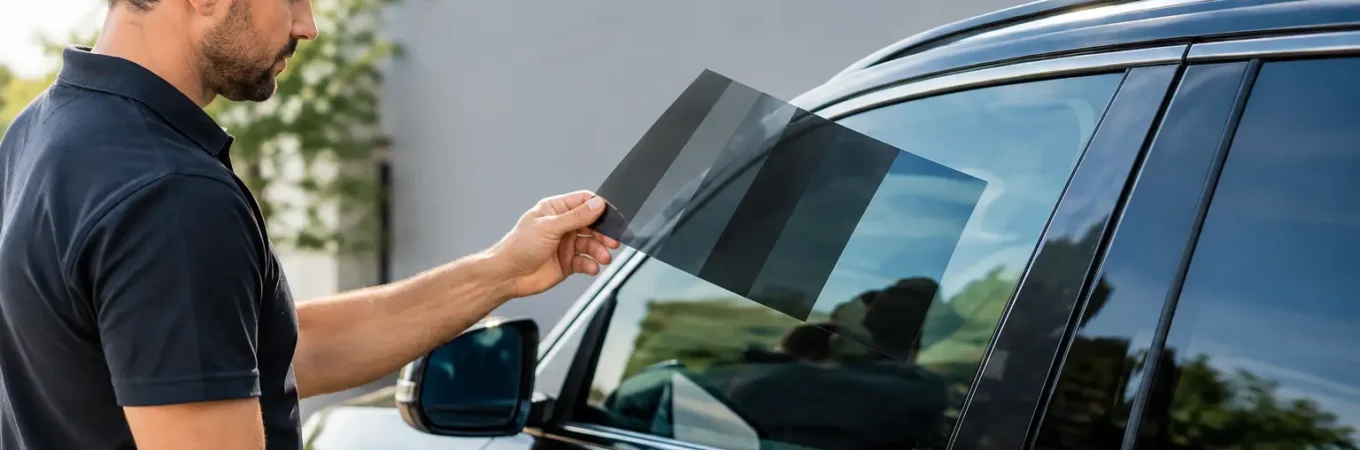
Visible light transmission, usually called VLT, tells you how much visible light comes through the window. A lower VLT percentage means a darker tint. For example, 20% tint looks considerably darker than 50% tint, but a quality 50% ceramic film may reject more infrared heat than a darker, lower-grade film.
That matters for people who want heat relief without making their windows very dark. A lighter ceramic tint can preserve a more open look, improve comfort, and still provide serious solar control. It can also be a practical option for windshields and front windows where local tint rules limit how dark you can go.
What to Look for Beyond an IR Rejection Number
Tint advertisements often highlight a big infrared rejection percentage. That number can be useful, but it should not be the only number that guides your choice. Some manufacturers measure infrared rejection at a specific wavelength, which can make the percentage sound more dramatic than the real-world cooling difference.
Ask about total solar energy rejected, or TSER, as well. TSER measures how much of the sun’s total energy a film rejects, including visible light, ultraviolet light, and infrared energy. A higher TSER generally gives a better picture of how effectively a film can reduce overall heat.
When comparing films, focus on these four practical details:
- Infrared rejection, for direct heat control
- Total solar energy rejected, for overall solar performance
- UV rejection, for helping protect skin, upholstery, flooring, and merchandise
- The film’s warranty and the installer’s workmanship
A film with a huge IR claim but modest total solar performance may not feel as cool as expected. A professional installer can explain the specifications in plain language and help you compare the options at the same tint shade.
Carbon Tint vs. Ceramic Tint for Heat
Carbon tint is a strong middle-ground option. It has a deep, non-reflective appearance, does not turn purple like cheaper dyed films can, and offers respectable heat reduction. For a daily driver, carbon is often the right call when appearance, privacy, and affordability are the main priorities.
Entry ceramic tint raises the heat-control performance. It is a good choice for drivers who spend a lot of time commuting, park outside, or simply want a more comfortable cabin without moving all the way to a premium film tier.
Ceramic IR film is where infrared heat rejection becomes the main benefit. It is well suited to dark interiors, large glass areas, newer vehicles with lots of electronics, and anyone tired of stepping into an oven after work. Premium ceramic ultra film takes that performance further for customers who want the best heat reduction available from their tint.
The right answer is not always the most expensive film. A weekend vehicle that stays in a garage may not need the same level of heat control as a work truck, family SUV, or daily commuter parked outdoors for eight hours.
Why Ceramic Tint Makes a Difference in East Tennessee
Knoxville drivers deal with humid summers, bright sun, and plenty of time on the road. Your AC can cool the air, but it cannot stop solar energy from continually entering through untreated glass. That is why a quality heat-rejecting film can make the cabin feel more manageable, particularly on your arms, face, and front seats.
Ceramic tint also helps reduce glare without forcing you into the darkest possible shade. That is valuable on morning commutes, long interstate drives, and late-afternoon trips when the sun sits low. It will not replace sunglasses or turn a parked car into an air-conditioned space, but it can reduce the load on your vehicle’s cooling system and make the drive more comfortable.
At 865 Tint, film choices can be matched to what matters most to you: an affordable carbon look, a step up into entry ceramic, or maximum heat reduction with ceramic IR and ceramic ultra options. The goal is to avoid paying for performance you do not need while making sure your tint solves the problem that brought you in.
Windshield Tint and Infrared Heat
The windshield is the largest piece of glass in most vehicles and often the biggest source of heat at the front of the cabin. A light, nearly clear ceramic windshield film can reject a substantial amount of infrared energy while maintaining visibility. For customers focused on heat, this upgrade can have an outsized effect because so much sunlight enters through the windshield.
Windshield tint must be selected and installed with local regulations in mind. Tennessee tint rules, vehicle type, and where the film is placed all matter. A professional shop can help you choose a legal, practical option instead of guessing based on what looks good on another vehicle.
Do not overlook the rest of the glass, either. Tinting only the front windshield may help, but full sides-and-rear coverage creates a more consistent result. Sun can enter from every angle, especially in SUVs, trucks, and vehicles with large rear glass.
The Same Principle Applies to Homes and Businesses
For residential and commercial windows, ceramic and solar-control films can reduce hot spots near windows, cut glare on TVs and computer screens, and help protect interiors from fading. The ideal film may be lighter than an automotive tint because the goal is often to preserve natural light while reducing heat and UV exposure.
A south- or west-facing room may need more heat control than a shaded room. Storefronts may prioritize glare reduction and merchandise protection. Offices may need a comfortable, professional look that keeps employees from closing blinds all day. Film selection should follow the direction of the glass, the type of space, and what you want the window to do.
Choose Tint for Performance, Not Just Appearance
If maximum infrared heat rejection is your priority, choose a ceramic IR or premium ceramic ultra film. If you want an affordable upgrade with a clean finish and solid everyday performance, carbon tint is still a smart option. And if you need a balance of stronger heat control and value, entry ceramic may be the sweet spot.
The best tint is the one that looks right on your glass, fits your budget, follows applicable tint laws, and makes the space behind that glass more comfortable. Before choosing a shade, ask to compare film samples and performance ratings side by side. Your car, home, or business will tell you the difference the first time the sun is high and the heat stays more manageable.