
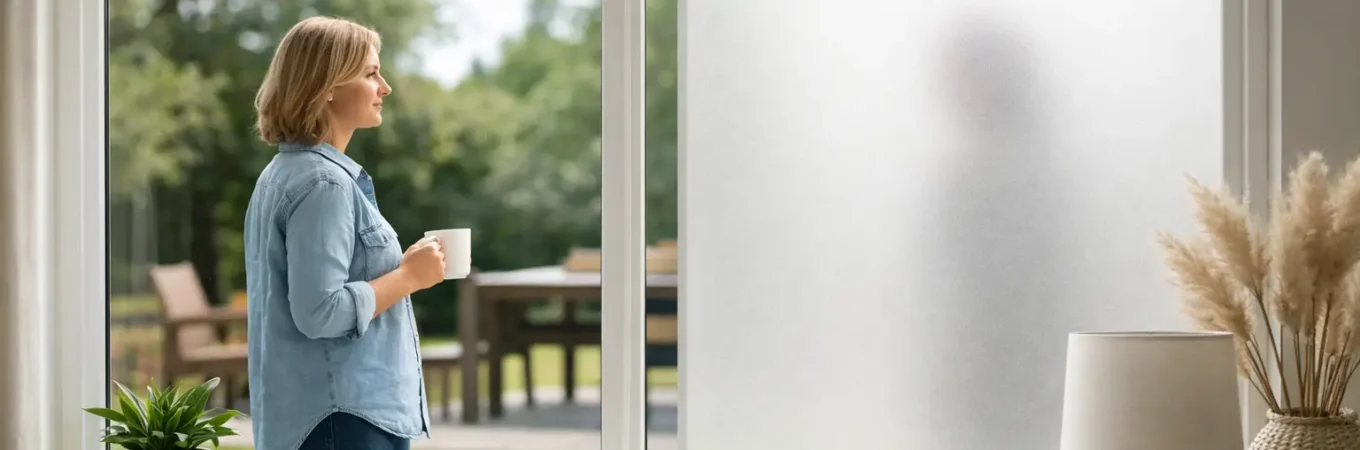
A street-facing living room, a bathroom window, or an office with glass near the entrance can feel exposed fast. So, can window film add privacy without forcing you to close the blinds all day? Yes – but the right answer depends on when you need privacy, how much natural light you want to keep, and what is on the other side of the glass.
Window film is one of the most practical upgrades for Knoxville homes and businesses that need more privacy without replacing windows. It can soften visibility, block direct sightlines, and make a space feel more comfortable while still letting in daylight. The key is choosing a film designed for your specific privacy goal instead of assuming every dark or reflective film works the same way.
Can Window Film Add Privacy During the Day?
For many properties, daytime privacy is the easiest problem to solve. Reflective and darker window films can make it harder for people outside to see into a brighter interior. When daylight is stronger outside than inside, the exterior side of the glass acts more like a mirror. You can often see out, while passersby see more reflection than detail.
This works well for front rooms, offices, storefronts, waiting areas, and windows facing a busy street or close neighbor. It can also reduce glare and heat at the same time, which makes privacy film more than a cosmetic upgrade.
There is a trade-off, though. A film that gives you more daytime privacy may reduce visible light and slightly change the appearance of the glass. Higher-performance ceramic options can help manage heat and UV exposure without making a room unnecessarily dark, but privacy level and light transmission still need to be balanced carefully.
The Nighttime Privacy Limitation Most People Miss
Reflective window film does not create one-way privacy at night when your interior lights are on. Once the room is brighter than the outdoors, the effect reverses. You may be able to see the dark exterior from inside, but people outside can often see into the illuminated room.
That does not mean film is the wrong choice. It just means the film needs to match the situation. If you need around-the-clock privacy in a bathroom, bedroom, conference room, glass entry door, or street-level office, a frosted or decorative privacy film is usually a better fit. These films blur or fully obscure views from both directions while allowing useful natural light to pass through.
For bedrooms and living rooms, many property owners pair a daytime privacy film with blinds, curtains, or shades for nighttime coverage. Film handles the daytime exposure and glare, while window coverings give you control after dark.
Which Privacy Window Film Is Right for Your Space?
Not all privacy films are made for the same job. The best option comes down to whether you want to see out, need privacy day and night, want a decorative look, or need heat control along with less visibility.
Reflective film for daytime visibility control
Reflective film is a strong choice when you want daytime privacy while preserving an outward view. It is often used on homes with large front-facing windows and businesses with sun-facing glass. From outside, the glass has a more mirrored appearance. From inside during the day, the view remains much clearer than it would with frosted film.
It is especially useful in East Tennessee summers, where sunlight can bring glare and heat through large windows. The right film can improve comfort and help protect flooring, furniture, displays, and interior finishes from UV exposure.
Frosted film for consistent privacy
Frosted film is the practical answer when visibility needs to be blocked at all hours. It is popular for bathroom windows, sidelights beside front doors, shower enclosures, interior office glass, medical spaces, and conference rooms.
You will still get diffused daylight, but the glass no longer provides a clear view through it. Frosted film comes in different opacity levels, so it can range from lightly blurred to nearly fully private. It also gives older glass a clean, updated appearance without the cost and disruption of replacing it.
Decorative film for privacy with personality
Decorative film adds privacy while giving the space a more finished look. Options may include etched-glass effects, patterns, gradients, or designs that cover only part of a window. This is useful when full coverage would feel too closed off.
A business may use it to add privacy to office partitions while keeping an open feel. A homeowner may use it on a front door or bathroom window where privacy matters but natural light is still welcome.
Tinted and ceramic film for comfort plus privacy
Tinted film can reduce visibility into a space, especially during the day, while also cutting glare. Ceramic window film is often chosen for its heat-rejection performance and UV protection. It can be a smart option for rooms that get intense afternoon sun, though it is not automatically a full privacy solution.
If privacy is the main goal, be clear about that before selecting a film tier. A premium heat-control film may keep a room cooler and protect interiors very well, but a frosted film may still be necessary where you need complete visual coverage.
Where Privacy Film Makes the Biggest Difference
Privacy film works best when it solves a clear, everyday frustration. In homes, that might be a front window facing the sidewalk, a bathroom that sits close to the neighbor’s driveway, or a sunroom that feels too exposed to enjoy. In commercial spaces, it may be an office window facing a parking lot, a glass conference room, or a reception area where paperwork and conversations should not be on display.
It can also help renters and property managers improve a space without major construction. Quality window film is applied directly to existing glass, so there is no need to replace a working window just to get more privacy. Professional installation matters here. Clean prep, accurate cuts, and proper edge work make a big difference in how the finished glass looks and how long the film performs.
Privacy, Heat Reduction, and UV Protection Can Work Together
Privacy is often the reason people first ask about window film, but the added benefits are usually what make the investment feel worthwhile. Depending on the film, you may also reduce harsh glare on TVs and screens, limit solar heat entering the room, and help block UV rays that contribute to fading.
That matters in rooms with hardwood floors, rugs, artwork, furniture, merchandise, or electronics near windows. It also improves comfort in spaces where people naturally avoid sitting because the afternoon sun is too strong.
Still, no single film does everything at the highest level. A very dark film may provide more daytime obscurity but reduce more daylight. A clear ceramic film can offer excellent heat control with minimal visual change but will not block views like frosted film. The best choice is usually the one that addresses your biggest issue first, then adds the secondary benefits you value.
What to Expect From a Professional Installation
A professional installer can look at the direction your windows face, how close neighboring properties are, the lighting inside the room, and the type of glass you have. Those details determine whether reflective, frosted, decorative, tinted, or ceramic film makes the most sense.
For example, a west-facing office with late-day glare may benefit from a heat-rejecting film with a moderate tint. A bathroom near a neighbor may need frosted film from edge to edge. A front entry door may look best with a decorative pattern that covers the lower portion while leaving the top open for light.
It is also smart to ask about local rules for commercial properties, rentals, homeowner associations, or specialty glass. Some windows have manufacturer considerations, and certain applications need a specific film type. An experienced shop can help you avoid choosing a film based on appearance alone.
For Knoxville-area property owners, 865 Tint can help match the film to the privacy level, light, and comfort you want from the space. A good window film should make you feel less exposed without making your home or business feel shut in.
1 Comment
Does House Window Film Save Energy in Knoxville? – 865 Tint
1 October 26 3:11 am[…] may also factor into the decision. Certain decorative or privacy films can limit visibility in bathrooms, sidelights, office spaces, and street-facing rooms. Those […]