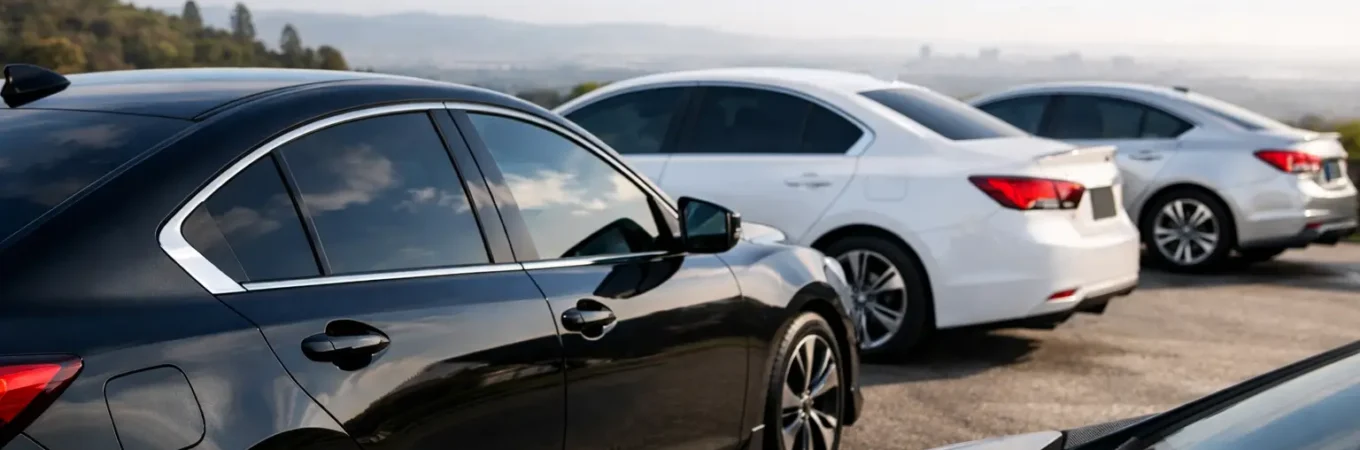
A dark tint can make a white truck look sharper. A light ceramic film can make the same truck noticeably more comfortable on I-75 without changing its factory appearance much at all. That is why car tint examples are more useful than picking a percentage off a chart. The right choice depends on how you drive, what you want the vehicle to look like, and how much heat control you expect from the film.
For Knoxville drivers, tint is often about more than style. Summer sun, afternoon glare, hot parking lots, and fading interiors are everyday concerns. A professional installation lets you choose a look that fits your vehicle while adding privacy, UV protection, and heat reduction where it matters most.
Car Tint Examples by Shade and Style
Light, factory-style tint
A light tint is a strong choice for drivers who want a clean, understated result. This example works especially well on newer SUVs, sedans, and luxury vehicles with factory privacy glass on the rear windows. Adding a lighter film to the front doors can help the vehicle look more balanced from front to back without making it look overly dark.
Light film is also practical for anyone who drives before sunrise, after dark, or on poorly lit back roads. You still get glare reduction and UV protection, but visibility stays closer to the original glass. If your biggest goal is comfort rather than a dramatic appearance change, a lighter ceramic option is often worth considering.
Medium tint for an everyday driver
Medium tint is the middle ground many daily drivers prefer. It gives a clear visual upgrade, provides meaningful privacy, and takes the edge off bright sunlight without making the cabin feel too closed in. On a silver sedan, gray crossover, or black pickup, this level usually looks intentional and clean rather than extreme.
This is a good fit for commuters who park outside at work, parents who want more privacy for passengers, and drivers who want their interior to stay more comfortable on warm East Tennessee days. The final look can vary by vehicle because factory glass has its own shade, so seeing the film against your actual windows matters.
Dark rear glass with legal front doors
One of the most common car tint examples is a practical front-to-back setup: legal film on the front doors with a darker shade on the rear doors and back glass. It is popular on crew-cab trucks, SUVs, minivans, and family vehicles because it gives rear passengers more privacy while keeping the front area easier to see from at night.
A dark rear section can also complement factory privacy glass. On many SUVs, the rear glass already looks dark but does not block heat like professional tint film. Adding film can improve comfort and UV protection while maintaining the same appearance.
Dark, privacy-focused tint
Drivers who want a bold, custom look often choose a darker shade where local law allows it. Dark tint pairs especially well with black wheels, smoked accents, lifted trucks, sports cars, and vehicles with darker paint colors. It creates a more private cabin and can make the glass line look smoother and more uniform.
The trade-off is nighttime visibility. Darker does not automatically mean better for every driver, especially if you regularly back into dark driveways, travel rural roads, or have limited exterior lighting. A quality film and a professional install help, but they cannot replace clear visibility. The best setup is one you will still feel comfortable driving every day.
Windshield strip or clear windshield protection
A windshield brow, sometimes called a visor strip, is a simple example for drivers who are tired of sun sitting low in the sky. Positioned at the top of the windshield, it can reduce glare without changing the whole windshield’s appearance. It is a small upgrade that makes a noticeable difference during early-morning and late-afternoon drives.
Some drivers also consider a nearly clear ceramic windshield film for heat and UV control. Because windshield tint laws are specific and can change, this should always be discussed with a professional before installation. The goal is comfort and protection without compromising safe visibility or compliance.
The Same Shade Can Perform Very Differently
Shade is only one part of the decision. Two films with the same visible darkness can feel very different inside the vehicle. A basic dyed or carbon film may provide privacy and improve the look, while ceramic film is designed to reject more heat without requiring the darkest possible shade.
Carbon film is a solid value choice for drivers who want a clean appearance, UV protection, and dependable performance at an affordable price. It makes sense for many everyday vehicles, particularly when the goal is a darker look and added privacy.
Entry ceramic is a smart upgrade when heat reduction is becoming a bigger priority. It gives drivers a stronger comfort benefit while keeping the cost reasonable. For Knoxville summers, it can be a practical fit for people who spend a lot of time in traffic or park outdoors.
Ceramic IR is built for drivers who want stronger infrared heat rejection. This can be especially appealing on black interiors, large windshields, trucks, and SUVs where the cabin heats up quickly. You do not have to choose the darkest tint to get better heat control.
Ceramic Ultra is the premium route for customers who want maximum performance from their film. It is a strong option for newer vehicles, high-end vehicles, or anyone who plans to keep their vehicle for years and wants a cooler cabin with a polished finish. The added cost is real, but so is the difference for drivers who deal with intense sun every day.
Match Your Tint to How You Actually Use Your Vehicle
The best tint choice is rarely just about what looks good in a parking lot. A commuter who drives downtown and parks in open lots may benefit most from ceramic heat rejection. A truck owner who wants privacy for tools or gear may prioritize darker rear glass. A parent with kids in the back seat may care most about UV protection and glare reduction.
Think about when you drive, where you park, and who rides with you. If you often drive at night, avoid choosing a shade solely because it looks great in daylight photos. If you keep your vehicle outside, film performance may matter more than a one-step darker shade. If you are matching tint to existing rear privacy glass, an installer can help create a more even appearance instead of a mismatched front and rear profile.
It is also worth considering tint removal before adding new film. Old bubbling, purple, scratched, or peeling tint can make an otherwise well-kept vehicle look neglected. Professional removal is the right approach because it helps protect defroster lines, glass, and interior trim from unnecessary damage.
A Quick Word on Tennessee Tint Laws
A good tint job should look great without creating a problem at inspection time or during a traffic stop. Tennessee regulations set limits on window tint and include specific rules for windshield coverage. The legal measurement is based on visible light transmission through the glass and film together, not just the number printed on the film box.
That is why a professional shop should measure the glass, explain the available options, and help you choose a setup that fits your goals. Factory glass, prior tint, and vehicle design can all affect the final reading. When in doubt, prioritize a legal, comfortable install over chasing the darkest possible result.
What a Professional Tint Finish Should Look Like
Great tint does not need to announce itself with flashy details. The edges should be clean, the film should sit smoothly against the glass, and the shade should look consistent from window to window. Minor moisture or haze immediately after installation can be normal while film cures, but it should not be confused with bubbles, peeling edges, or contamination trapped under the film.
The installation process matters as much as the film selection. Clean preparation, careful trimming, and respect for your vehicle’s panels and defroster lines protect the finish you paid for. At 865 Tint, the focus is on helping drivers choose the right package and film tier without making the decision harder than it needs to be.
The best example is the one that still makes sense after the first hot afternoon, the first late-night drive, and the first time you see your vehicle in the parking lot. Pick a tint setup that fits your real life, and the cleaner look is a benefit you get to enjoy every time you walk back to the car.