A parked vehicle in a Knoxville summer can feel unbearable before you even pull out of the lot. A bright living room can turn into a glare-filled space every afternoon. The right tint film helps solve both problems, but not every film performs the same way.
Most people start with one goal: darker windows, more privacy, less heat, or better looks. Those are all valid reasons to tint. The better question is what you want your film to do every day and how long you expect it to last. A professional tint job should fit your vehicle, home, or business instead of forcing you into a one-size-fits-all option.
What Tint Film Actually Does
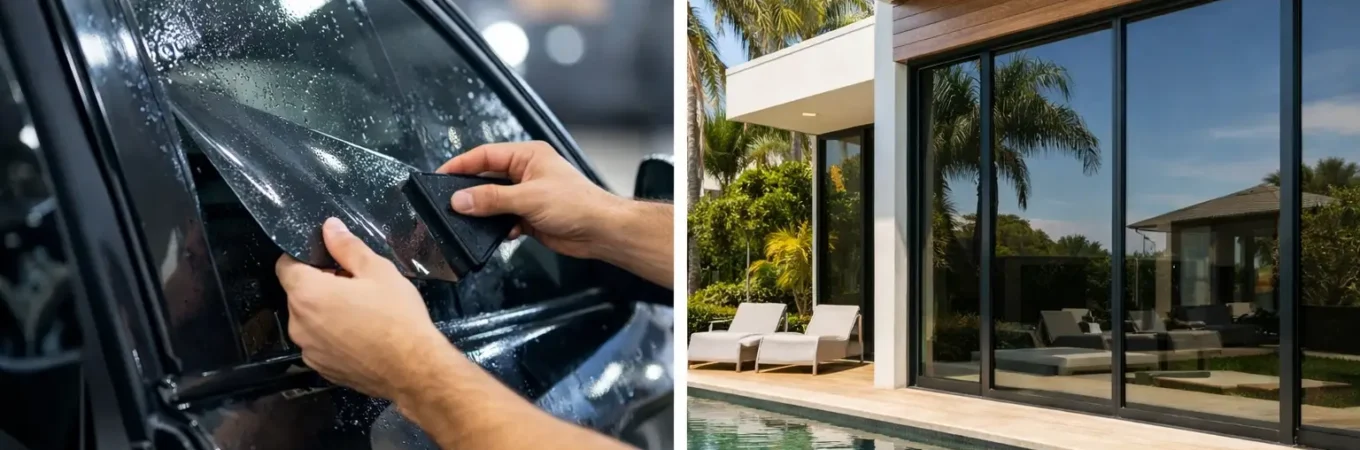
Tint film is a thin, layered material applied to the inside surface of glass. Depending on the product, it can reduce visible light, block ultraviolet rays, cut glare, reject solar heat, and add privacy. For drivers, that means a more comfortable cabin, less eye strain, and better protection for upholstery, dashboards, and electronics.
For homes and commercial spaces, window film can help make rooms more usable when direct sunlight is the problem. It can reduce fading on flooring, furniture, artwork, and merchandise while cutting down the harsh glare that makes it hard to work, watch a screen, or enjoy a view.
The shade of the film matters, but shade is only one part of performance. A film can look dark while offering modest heat control. Another film can stay relatively light and still reject a significant amount of infrared heat. That difference is why choosing by appearance alone can lead to disappointment.
Choosing Tint Film for Your Vehicle
Your daily driving habits should guide the decision. If your vehicle sits outside at work, spends time in school pickup lines, or sees plenty of East Tennessee summer sun, heat rejection may matter more than a darker appearance. If you mainly want a clean, factory-style look and some added privacy, a quality carbon film may be the right fit.
Carbon Film: A Solid Value Choice
Carbon tint film is a popular option for drivers who want dependable results at an affordable price. It gives windows a clean, dark appearance, helps reduce glare, and provides UV protection without the bargain-film look that can turn purple or bubble early.
Carbon is a good fit for drivers who want a noticeable upgrade without paying for the highest level of heat rejection. It does not perform like premium ceramic film in intense sunlight, but it is a practical choice for many cars, trucks, and SUVs.
Entry Ceramic: More Comfort Without Going All the Way Up
Entry ceramic film is often the sweet spot for customers who care about heat reduction but still want to keep the project budget-friendly. Ceramic technology helps reject heat without relying on metal, which means it is generally friendlier to signals for phones, GPS, key fobs, and other electronics.
This option works well for commuters and families who want their vehicle to feel more comfortable after it has been parked in the sun. It can also be a smart upgrade for lighter shades, where you want heat control without making the glass look very dark.
Ceramic IR and Ceramic Ultra: Built for Heat Control
Ceramic IR film is designed for drivers who feel the difference of direct sun every day. It targets infrared heat, which is a major reason a vehicle feels hot even when the air conditioning is running. You can choose a legal, lighter shade and still get meaningful comfort benefits.
High-end ceramic ultra film is for customers who want the best available performance, especially in larger vehicles, vehicles with lots of glass, or cars that spend long hours outdoors. The upfront cost is higher, but the day-to-day payoff can be real: a cooler cabin, less glare, and less strain on your air conditioning during hot weather.
The best film is not automatically the most expensive one. If you drive mostly at night, live with covered parking, or simply want privacy and a cleaner look, a premium upgrade may not be necessary. A good tint shop should explain the difference clearly and let you choose based on your priorities.
Tint Film Shade and Tennessee Window Tint Rules
Film darkness is usually described by visible light transmission, or VLT. A lower VLT percentage means a darker window because less visible light passes through it. For example, 5% film is much darker than 35% film.
Before choosing a shade, consider visibility, nighttime driving, and state requirements. Tennessee window tint laws set limits for different windows, and those rules can vary depending on the vehicle type and window location. Windshield tint is especially limited, generally allowing a sun strip at the top rather than a dark film across the full windshield.
A professional installer can help you select a shade that gives you the privacy and appearance you want while staying within applicable requirements. That matters because a tint job should look good on day one and still be something you can drive with confidence months later.
Why Installation Quality Matters as Much as the Film
Even premium tint film can look bad when it is installed poorly. Dust, contamination, rushed trimming, trapped moisture, and damage around window seals can turn a good product into a frustrating experience. Clean installation takes careful prep, precise cutting, and patience while the film cures.
After installation, small water pockets or a slightly hazy appearance can be normal during the curing process. This is especially common in humid conditions. Your installer should give you straightforward care instructions, including when it is safe to roll down your windows and what cleaners to avoid.
Professional removal matters, too. Old film that is bubbling, peeling, or purple usually needs more than a quick pull. Adhesive can remain on the glass, and rear-window defroster lines need extra care. Proper tint removal protects the glass and helps prepare the surface for a fresh installation without unnecessary damage.
Tint Film for Homes and Businesses
Automotive film gets most of the attention, but property window film can make a major difference in spaces with strong sun exposure. For homeowners, it can help reduce hot spots in rooms with large windows, lower glare near televisions and computers, and preserve interior finishes.
For businesses, film can improve comfort for customers and employees while helping protect displays, furnishings, and inventory from UV exposure. Privacy film can also be useful for offices, storefronts, conference rooms, and street-facing glass where you want more discretion without blocking all natural light.
Property tinting is not about making every window dark. Often, the best choice is a nearly clear film that reduces UV and heat while keeping the room bright. In other cases, a darker or reflective option may make sense for privacy or glare control. The right recommendation depends on the direction the windows face, the type of glass, how the room is used, and the result you want.
Questions to Ask Before You Pick a Film
Before booking, think about what bothers you most now. Is it the hot steering wheel after work, sunlight in your eyes during your commute, fading furniture near a window, or the lack of privacy in a street-facing office? Your answer helps narrow down the right product faster than simply asking for the darkest tint.
It also helps to ask about the film tier, expected heat rejection, UV protection, warranty coverage, curing time, and the installer’s process for removal or replacement. Clear answers are a good sign. You should understand what you are buying before the film goes on the glass.
At 865 Tint, the goal is to make that choice simple: quality film options, professional installation, and straightforward guidance based on how you use your vehicle or property. The right tint should feel like a useful upgrade every time the sun hits the glass, not a decision you have to second-guess.