
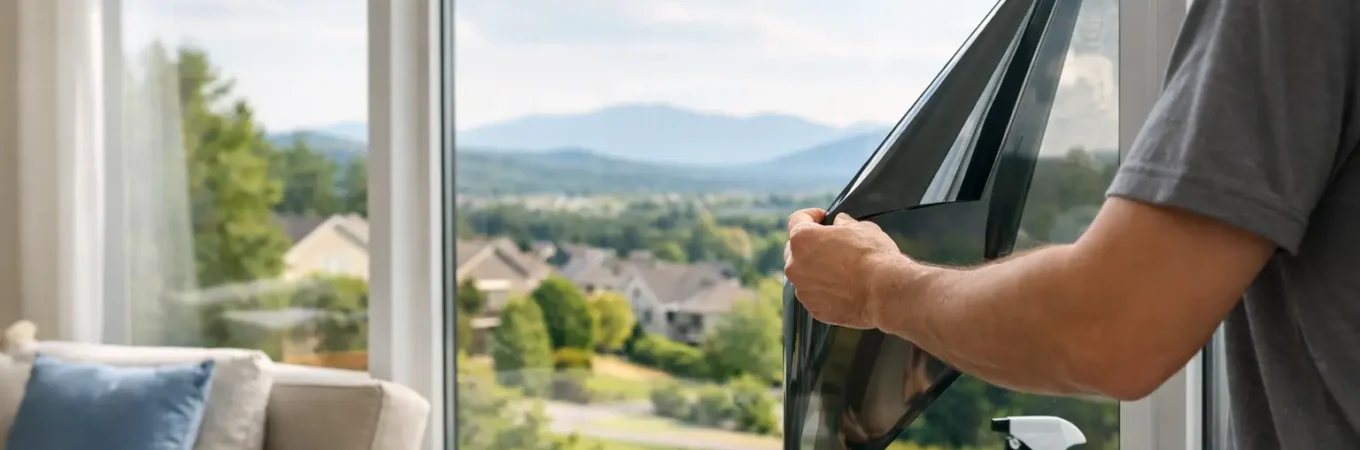
A bright living room should feel inviting, not like the hottest spot in the house by 3 p.m. If you are dealing with glare on the TV, fading floors, uncomfortable sunny rooms, or a front window that feels too exposed, this residential window film guide can help you choose a practical fix without replacing your windows.
Residential film is a thin, professionally applied layer that changes how sunlight moves through your glass. The right product can reduce heat, soften glare, block UV exposure, and add privacy while keeping the view and natural light you enjoy. The wrong product can make a room darker than expected or create issues on certain types of glass, so the details matter.
What Residential Window Film Can Do for Your Home
Most homeowners start looking at window film for one clear reason: a room is too hot, too bright, or too easy to see into. Quality film can address all three, but not every film does every job equally well.
Heat-control film helps reduce the amount of solar heat entering through the glass. That can make sun-facing rooms more comfortable and reduce the pressure on your HVAC system during East Tennessee summers. It will not turn a poorly insulated room into an icebox, but it can make a noticeable difference where direct sun is the problem.
UV protection is another major benefit. Sunlight can fade hardwood floors, furniture, artwork, rugs, and curtains over time. Window film helps filter much of the UV exposure that contributes to fading. Keep in mind that visible light and heat can also affect fabrics and finishes, so UV protection slows the process rather than making interiors completely fade-proof.
Privacy film changes what people can see through your windows. A reflective or tinted option can provide daytime privacy when it is brighter outside than inside. At night, the effect reverses if your lights are on, so it is not a replacement for blinds or curtains in bedrooms and bathrooms. Decorative frosted film, on the other hand, provides consistent privacy because it obscures the view in both directions.
Residential Window Film Guide: Choose the Benefit First
The best film is not always the darkest one. Start by deciding what you want the window to do, then choose a film that supports that goal.
Heat and glare reduction
For large windows facing south or west, solar-control film is usually the first place to look. These films are designed to reject heat and reduce harsh glare while maintaining usable daylight. Some have a subtle tint, while higher-performing ceramic options can stay relatively clear.
This is often the right choice for living rooms, kitchens, home offices, and rooms with wide views. If you work near a window or cannot see your screen during the afternoon, glare reduction may matter as much as temperature control.
Daytime privacy
Tinted and reflective films can make it harder for people outside to see into your home during the day. They work well on street-facing windows, entry areas, and rooms close to neighbors.
The trade-off is appearance. More reflective films can change the outside look of your home and may make the interior view slightly darker. Before choosing a reflective film, consider how it will look from the curb and whether your neighborhood or HOA has exterior appearance rules.
Decorative and frosted privacy
Frosted, patterned, and decorative films are ideal when permanent privacy matters more than the view. They are popular for bathroom windows, sidelights by the front door, glass shower enclosures, interior office doors, and windows facing a nearby house.
These films can still allow natural light into the room, which is a major advantage over covering the glass with a heavy blind. They are not primarily heat-control products, though some installations can pair privacy needs with solar performance depending on the glass and film selection.
UV protection with a lighter look
If you want to protect furnishings but do not want noticeably dark windows, ask about clear or low-visibility films. They can reduce UV exposure and offer some solar benefit without changing the character of the room as much as a darker tint.
This is a smart option for homeowners who love bright interiors, have historic-style homes, or want to preserve curb appeal. The trade-off is simple: a nearly clear film usually will not reduce glare and heat as aggressively as a darker or more reflective product.
Film Type and Performance Matter
Like automotive tint, residential film comes in different performance levels. A basic dyed or tinted film may be an affordable choice for appearance and modest glare reduction. It can work well for a smaller project or a room with manageable sun exposure.
Higher-quality ceramic and infrared-rejecting films are built for stronger heat control with less darkness and less reflectivity. They are often worth considering on large glass walls, expensive windows, rooms that are regularly uncomfortable, or areas where keeping a clear view matters.
Price should be considered alongside the problem you are solving. Installing the least expensive film on a west-facing wall of glass may not give you the comfort you expected. On the other hand, premium ceramic film may be more performance than you need for a small bathroom privacy window. A good installer should explain the differences in plain language and help match the product to the room.
Check Your Windows Before Choosing Film
Not every glass unit should receive the same film. Modern homes may have double-pane insulated glass, low-E coatings, tempered glass, laminated glass, or specialty windows. Each can affect which films are appropriate.
One concern is thermal stress. When film changes how glass absorbs or rejects solar energy, temperatures across the pane can vary. On certain windows, especially older insulated units or glass with existing edge damage, the wrong film can increase the risk of cracking. That does not mean film is unsafe for residential windows. It means the installer should identify the glass type and recommend a compatible product before installation.
You should also be upfront about any existing problems. Fogging between panes, cracks, failed seals, peeling window coatings, or loose glazing are window issues that film will not repair. In some cases, the window should be repaired or replaced before tint is applied.
If your home has a manufacturer warranty on its windows, review the warranty language or ask the window company whether film affects coverage. Many film manufacturers offer their own warranties, but that does not automatically override a window manufacturer’s policy.
Interior vs. Exterior Installation
Most residential window film is installed on the interior surface of the glass. Interior installation protects the film from weather, makes cleaning straightforward, and is usually the preferred option when access allows.
Exterior film can be useful when the inside surface is difficult to reach or when a particular glass setup calls for it. It is designed to handle outdoor exposure, but it may have different maintenance needs and a different expected lifespan than interior film. Exterior applications should be chosen for a real reason, not simply because they seem easier.
Professional preparation is what makes either option look clean. The glass must be thoroughly cleaned, measurements must be accurate, and edges need careful finishing. A good installation should not leave obvious gaps, trapped debris, or rough cut lines around the frame.
What to Expect After Installation
Freshly installed film can look slightly hazy or show small water pockets during the curing process. This is normal. The time required for the film to fully dry depends on the product, weather, and amount of sunlight on the glass. Give it time before judging the final appearance.
Avoid cleaning the film right away. Once it has cured, use a soft microfiber cloth and a mild, non-abrasive cleaner. Skip rough scrub pads, razor blades, and harsh chemicals that can scratch the surface or damage the edges.
For Knoxville homeowners, timing can also affect the experience. Summer installation means you may feel heat and glare relief quickly, while cooler weather can mean a longer cure time. Either way, professional film is a long-term improvement, not a temporary sunshade.
Get a Recommendation Based on Your Actual Windows
Photos, window measurements, the direction each room faces, and your main concern can help narrow down the right option before installation day. A front-facing bedroom may need frosted privacy film. A west-facing living room may need higher heat rejection. A sunny office may need a lighter ceramic film that controls glare without making the space feel closed in.
The best choice is the one that solves the problem you have without creating a new one. If you want straightforward advice, 865 Tint can help Knoxville-area homeowners compare film options, check window compatibility, and get a clean installation built around comfort, privacy, and lasting value.