
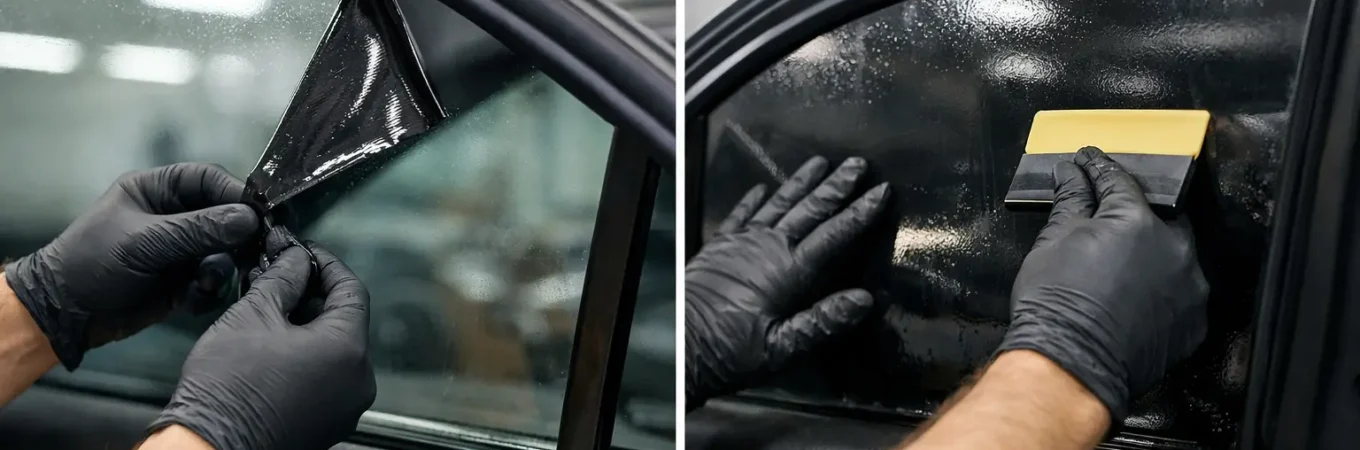
A bubbling rear window, purple side glass, or film that has started peeling at the edges makes the decision feel urgent. But tint removal vs tint replacement is not always as simple as taking off the old film or covering it up. The right move depends on the condition of the current tint, the glass it is on, and what you want your vehicle or property to do better afterward.
For most Knoxville drivers, replacing failed tint with a better film is the smart long-term answer. In some cases, though, clean removal is exactly what the situation calls for. Here is how to make the call without wasting money or risking damage to your glass.
What Tint Removal Actually Means
Tint removal means stripping the existing window film and adhesive from the glass, then cleaning the window so it is clear and residue-free. It may be the final service, or it may be the first step before a new tint installation.
A professional removal process is more involved than pulling at a loose corner. Old film can crack into small pieces, and adhesive can stay bonded to the glass long after the film comes off. Rear windows deserve extra care because their defroster lines are delicate. Aggressive scraping or the wrong chemicals can damage those lines, leaving you with a defroster that does not work as it should.
Removal makes sense when you want clear glass, are selling a vehicle, need to meet applicable tint regulations, or simply no longer want tinted windows. It is also necessary when the current film has failed beyond the point where it can be left in place.
When Removal Is the Better Choice
There are a few situations where removal without replacement is the straightforward option. Maybe you bought a used car with tint that is too dark for your needs. Maybe the film has become hazy and makes night driving uncomfortable. Or maybe you are preparing a work vehicle for a different use and want maximum visibility.
On a home or commercial property, removal may be appropriate when an outdated decorative film no longer fits the space or when a previous installation is deteriorating. Clear glass can be the right choice for a storefront that depends on visibility, for example.
Keep in mind that removing tint also removes its benefits. Once the film is gone, you may notice more glare, more heat coming through the glass, less daytime privacy, and greater UV exposure for your vehicle interior or furnishings. That does not make removal a bad choice. It just means it should be an intentional one.
When Tint Replacement Is Worth It
Tint replacement means removing the old film properly and installing new film in its place. This is usually the best option when you still want the comfort, privacy, appearance, and protection that window tint provides.
If your current tint is bubbling, peeling, fading to purple, or turning cloudy, replacement gives you the chance to correct the issue rather than live with it. It also lets you upgrade the performance of your film. Older dyed film may have provided a darker look, but newer carbon and ceramic options can offer stronger heat rejection, better glare reduction, and improved UV protection without forcing you into the darkest possible shade.
Replacement is especially worthwhile for daily drivers in East Tennessee. Summer heat, bright commutes, and long hours in traffic can make a noticeable difference inside a vehicle. Quality film helps reduce the heat load on the cabin, which can make the ride more comfortable and lessen the strain on your air conditioning.
Upgrade the Film, Not Just the Appearance
A replacement appointment is a good time to choose film based on how you actually use your vehicle. Carbon film is a solid choice for drivers who want a clean look, privacy, and dependable performance at an affordable price. Entry ceramic steps up heat rejection for people who spend more time behind the wheel.
Ceramic IR and high-end ceramic ultra options are built for customers who want stronger infrared heat reduction and premium clarity. They are often a good fit for newer vehicles, frequent commuters, families, and anyone tired of climbing into a scorching car after it has been parked outside.
The lowest price is not always the lowest cost over time. If cheap film fails early, you pay for removal and then pay again for replacement. Choosing quality film and professional installation from the start can save that second round of frustration.
Tint Removal vs Tint Replacement: Signs to Watch For
The condition of the existing film gives you the clearest answer. If the film is intact, clear, and legal for your needs, there is usually no reason to disturb it. If it has begun failing, placing new tint over it is not the fix.
Tint should be removed before replacement when you see bubbling, peeling edges, discoloration, scratches, trapped debris, or a cloudy appearance. These problems do not disappear under another layer of film. They can become more noticeable and may interfere with a clean installation.
A professional can also help you determine whether the issue is the film, the adhesive, or the glass itself. For example, a hazy look might be failed tint, but it could also be contamination or damage that needs to be addressed before new film goes on.
Why You Should Not Tint Over Old Film
It can be tempting to leave old tint in place and put new film over it. On the surface, it sounds faster and cheaper. In practice, it creates more problems than it solves.
Stacked film can look uneven, trap air or debris, and make windows appear darker than intended. It may also increase the risk of peeling because the new film is only as stable as the old layer beneath it. If the original film is bubbling or losing adhesion, the fresh film will not have a dependable foundation.
There is also a practical issue with darkness. Layering tint can push the final appearance beyond what you expected, which can affect visibility and legal compliance. Professional removal before replacement gives you a clean surface and a predictable result.
What Professional Removal Protects
The biggest value in professional tint removal is not just saving time. It is protecting the glass, trim, seals, and rear defroster lines while getting the window ready for a clean finish.
A trained installer uses the right combination of heat, controlled lifting, adhesive removal, and detailed cleaning. The process changes depending on the film’s age, the window shape, and whether the glass has defroster lines or other sensitive components. A side window with lightly aged film may come apart differently than a rear windshield that has baked in the sun for years.
At 865 Tint, removal is handled as part of a clean, damage-conscious process, not as an afterthought. That matters when the goal is a vehicle that looks better after the appointment, not one that leaves with scratches, sticky residue, or damaged lines.
Think About Your Goals Before Choosing a Film
Replacement is not only about fixing bad tint. It is an opportunity to make a better decision for your comfort and driving habits. If glare is your main complaint, focus on a film that improves visual comfort. If heat is the issue, ceramic film may be worth the upgrade. If privacy and a sharper exterior look matter most, a quality carbon option may be all you need.
The same thinking applies to homes and businesses. A property owner may replace old film to reduce hot spots near windows, protect flooring and furniture from UV exposure, improve daytime privacy, or cut glare on screens. The best film depends on the room, the amount of sun it receives, and whether visibility from inside is a priority.
The Bottom Line for Failed Tint
If your tint is failing, do not wait until it becomes a distracting mess or makes the vehicle look neglected. Removing it early can make the process easier, and replacing it with the right film can restore the clean look and practical comfort you wanted in the first place.
A quick inspection from a tint specialist can turn an annoying bubbling window into a clear plan: remove it, replace it, and choose a film that makes every drive or every room more comfortable.