A new car looks great on the lot, but the first bright East Tennessee afternoon can quickly show you what it is missing: shade, privacy, and real heat control. Questions about how to tint new car windows usually come up right after purchase, and the best answer is not simply to pick the darkest film available. The right tint should match how you drive, what you want to spend, and Tennessee tint law.
Professional window tinting is one of the most practical upgrades you can make to a new vehicle. It can reduce glare on the commute, protect the interior from UV exposure, make the cabin more comfortable, and give the car a finished look from day one. Getting it right starts with a plan.
How to Tint a New Car Without Regrets
Start by deciding what you want the film to do. Some drivers mainly want privacy and a cleaner appearance. Others are tired of feeling the sun through the glass, especially on long drives or in vehicles with large windows. If heat reduction is your top priority, the film type matters just as much as the shade.
A dark basic film may make a car look better, but darkness alone does not tell you how much heat the film rejects. Quality ceramic films are designed to block more infrared heat while remaining available in lighter, legal shades. That matters for drivers who want a clear view at night but still want better comfort during hot Knoxville summers.
Before booking, think through these three choices: which windows you want tinted, how dark you want them, and which film level fits your needs. A professional shop can help narrow those choices down before installation rather than leaving you to guess from small sample strips.
Know Tennessee Tint Rules Before Choosing a Shade
The best-looking tint job is not worth the hassle if it puts you outside the law. Tennessee has specific rules for visible light transmission, commonly called VLT. VLT is the percentage of visible light that passes through the glass and film together. A lower number means a darker result.
Factory glass is not always completely clear. Many vehicles already have factory privacy glass on the rear doors and back glass. That glass looks darker, but it is not the same as aftermarket window film and may not provide the same heat rejection or UV protection. Adding film over factory privacy glass changes the final VLT, so it should be measured rather than assumed.
Windshield tint has its own restrictions. A windshield strip can help reduce glare, but it must stay within legal placement guidelines. Full windshield film is a different decision that deserves a direct conversation with an experienced installer about visibility, local requirements, and the type of driving you do.
If you drive at night often, have trouble with low-light visibility, or regularly travel rural roads, going extremely dark may not be the best fit even if you like the look. A lighter ceramic film can provide significant comfort without making nighttime driving feel closed in.
Pick the Film Based on Your Priorities
New-car owners often compare tint by price first. Price matters, but the right comparison is value over the time you own the vehicle. Cheap dyed film can be tempting, yet it is more likely to fade, discolor, or provide limited heat performance compared with quality carbon or ceramic options.
Carbon film is a solid choice for drivers who want a sharp appearance, dependable privacy, and good overall value. It is a practical upgrade from entry-level tint and works well for many daily drivers.
Entry ceramic film is a strong option when heat reduction becomes a bigger concern. Ceramic technology helps reject infrared heat without relying on metal, which is useful for preserving signal performance for phones, GPS, and other electronics.
Ceramic IR and high-end ceramic ultra films are built for drivers who want the most from their tint. These premium options can offer stronger heat rejection and UV protection, particularly helpful in vehicles that sit outdoors, have dark interiors, or carry children and passengers who are sensitive to heat. They also make sense for people who plan to keep a new car for years.
The best film is not automatically the most expensive one. A two-window package in a quality film may be exactly right for someone who wants front-window privacy to match factory rear glass. A full sides-and-rear package may be the better move for drivers who want a consistent look and more complete cabin comfort.
Choose the Coverage That Fits Your Vehicle
You do not always need to tint every piece of glass. The most common approach is to tint the two front windows so they better match the rear privacy glass found on many SUVs and trucks. This is a clean, affordable option that makes a noticeable difference in appearance.
For sedans, coupes, and vehicles with clear rear glass, tinting the sides and rear creates a more uniform result. The back glass is especially valuable for reducing glare from headlights behind you and sunlight entering through the rear of the vehicle.
A windshield strip can be useful when low sun is your daily problem. It can help during early morning or late afternoon drives without changing the rest of the windshield. Full windshield tint is a more specialized upgrade. It can improve comfort, but the film selection, legal considerations, and visibility trade-offs should be handled carefully.
Do not forget about panoramic roofs and sunroofs. These areas can pour heat into an otherwise well-tinted cabin. Depending on the vehicle and glass type, a suitable film may help reduce the heat you feel overhead while preserving the open feel of the roof.
Why New Cars Need Professional Installation
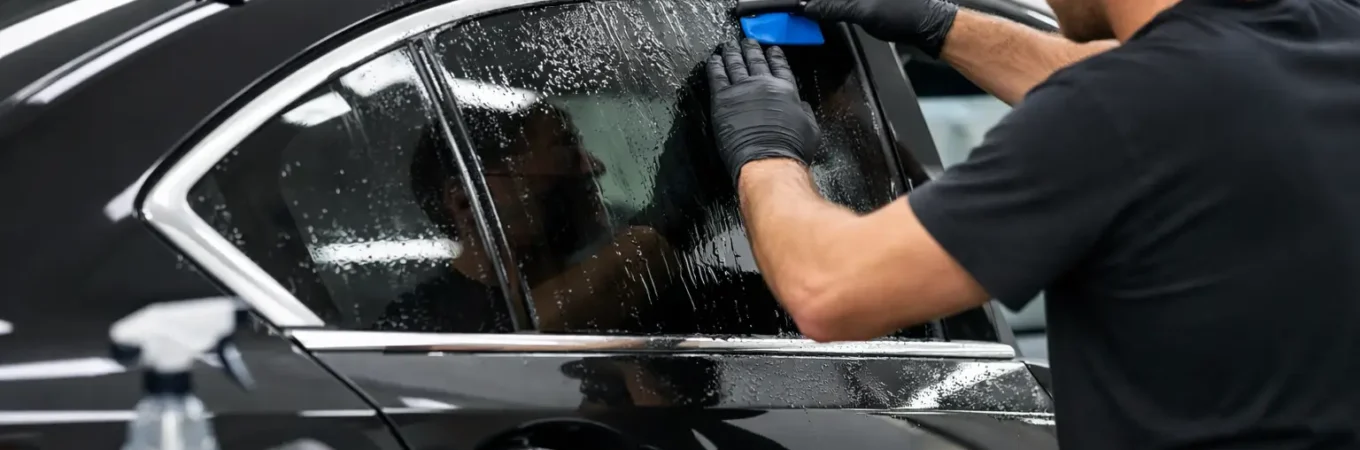
A new vehicle is the wrong place to gamble on a do-it-yourself tint kit. Modern cars have tight window seals, complex door panels, cameras, sensors, and defroster lines. A clean installation requires careful preparation, precise cutting, and the experience to work around the vehicle without damage.
Professional installers clean the glass thoroughly, shape the film to fit, and use techniques designed to prevent contamination and visible gaps. A few tiny water pockets may be normal during the curing period, but creases, lifting edges, trapped debris, and uneven cuts are not signs of a quality job.
There is also a difference between installing film and finishing a car properly. The shade should look consistent from window to window. The film should sit cleanly along the edges. On rear glass, extra care is needed around defroster lines. On vehicles with frameless doors, the installer needs to account for how the glass moves when the door opens and closes.
At 865 Tint, the focus is on helping Knoxville-area drivers choose a film and coverage option that makes sense for their vehicle, then installing it with the clean finish a new car deserves.
What to Expect After Tinting a New Car
Do not judge fresh tint the moment you leave the shop. Window film uses a mounting solution during installation, and it needs time to cure. Depending on the weather and film type, that process can take several days or longer. You may notice a light haze, small water pockets, or a slightly cloudy appearance while the moisture evaporates.
Leave the windows up for the period your installer recommends. Rolling them down too soon can disturb the edges before the film has fully bonded. Avoid cleaning the inside of the tinted glass right away as well.
Once cured, use a soft microfiber towel and an ammonia-free glass cleaner. Avoid abrasive pads, harsh chemicals, and scraping tools. Quality film is durable, but simple care helps keep it looking clear and clean.
A Better Way to Make the Decision
Bring a few basics to the conversation: your vehicle year and model, whether it has factory rear privacy glass, the windows you want covered, and your top goal. If you are mainly chasing privacy, say so. If you want your black interior to stop feeling like an oven, make heat rejection the priority. If your budget has a firm ceiling, a good shop should show you the strongest option within it instead of pushing a package you do not need.
Tint is one of those upgrades you see every time you walk back to your car and feel every time the sun is out. Choose a legal shade, a film that matches your driving habits, and an installer who treats your new vehicle like it is worth protecting.