
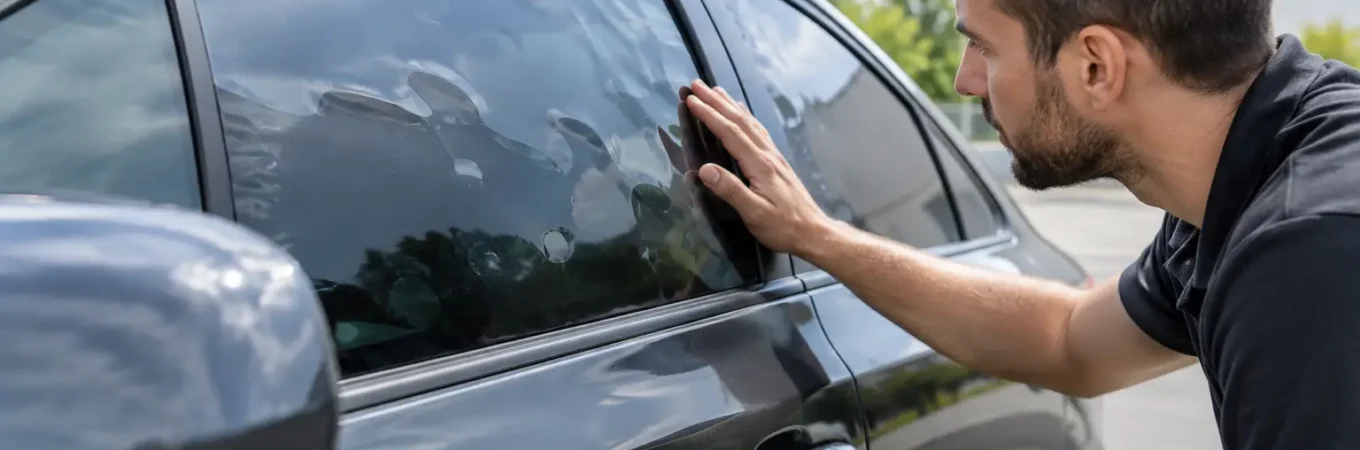
Bubbles in your window tint do more than make your car look neglected. They can block your view, catch glare at the wrong angle, and signal that the film or adhesive has reached the end of its life. If you need to replace bubbling window tint, the best move is usually to remove the failed film completely and start fresh with quality film installed the right way.
A small issue can be tempting to ignore, especially if the tint still provides some privacy. But bubbling film rarely fixes itself. Heat, sun exposure, aging adhesive, and poor previous installation tend to make the problem spread. For Knoxville drivers dealing with long sunny days and hot interiors, getting ahead of it can protect both your vehicle’s appearance and your comfort.
Why Window Tint Starts Bubbling
Tint film is applied to the inside surface of automotive glass using a clear adhesive. When that adhesive begins to fail, it separates from the glass and creates air pockets, ripples, or hazy areas. What looks like a simple bubble is often a larger adhesive problem underneath.
Age is one of the most common causes. Even decent film eventually wears down after years of sunlight and temperature changes. Lower-quality dyed film may fade to purple, turn hazy, or bubble sooner than premium carbon and ceramic options.
Installation quality matters, too. If the glass was not fully cleaned before installation, or if moisture and debris were trapped under the film, the tint may not bond properly. Bubbles that show up soon after a tint job are different from bubbles that develop after many years. Early failure may point to installation issues. Late failure is more often normal film wear.
Excessive heat can speed things up. Tennessee summers put plenty of heat load on a parked vehicle, especially around the rear glass. Rear windows also tend to be the most difficult area to remove because of their defroster lines, so waiting until the tint is severely deteriorated can make the job more involved.
Can Bubbling Tint Be Repaired?
Usually, no. Once old tint begins bubbling, pressing the bubble down or trying to inject adhesive underneath is a short-term cosmetic attempt at best. The original adhesive has already started breaking down, and the film can continue to lift in other places.
A professional may be able to address a tiny edge that has lifted on relatively new film. That is not the same as widespread bubbling, creasing, discoloration, or a rear window covered in small pockets. In those cases, replacement is the cleaner and more durable answer.
Trying to peel off one bubble can also make the problem worse. The film may tear, leave adhesive behind, or create a distorted patch that is more noticeable than the original issue. If the tint is failing across a window, treat that piece of film as worn out rather than something to patch.
Signs It Is Time to Replace Bubbling Window Tint
The timing depends on how much of the film has failed and where it is located. A few small bubbles in a rear corner may not create an immediate safety issue, but they are worth scheduling before they spread. Tint on front side windows deserves faster attention because clear visibility around mirrors, intersections, and nighttime traffic matters.
Replacement makes sense when you notice any of the following: bubbles are growing or multiplying, the tint has turned purple or brown, the film looks cloudy, edges are peeling, or the glass has a sticky residue showing through. You should also replace tint that interferes with your view through the rear window or side glass.
There is another practical reason to act sooner. Severely baked-on film can take longer to remove, particularly on rear glass with defroster lines. Professional removal is designed to protect those lines, but old adhesive requires patience and the right process. A clean removal before the film becomes brittle and flaky can make the entire upgrade smoother.
Why Professional Tint Removal Is Worth It
Window tint removal is not just peeling film off glass. The film and adhesive often separate differently. You may get the top layer off and be left with a stubborn adhesive layer that smears across the window. Household chemicals, metal blades, and aggressive scraping can create bigger problems than the original bubbles.
On side windows, careless removal can scratch glass or leave residue around trim. On rear windows, the biggest concern is damage to defroster lines. Those lines are delicate, and a damaged grid can mean a rear defroster that no longer works as it should.
A professional tint shop uses controlled heat, safe removal methods, and adhesive cleanup techniques suited to automotive glass. The goal is a clean surface with no leftover glue, no torn defroster lines, and no contamination under the new film. That preparation is a major part of getting a replacement tint job that looks smooth and lasts.
Choose Better Film When You Replace It
Replacing failed tint is also your chance to choose a film that better fits how you use your vehicle. If your old tint was mainly for appearance, you may be surprised by how much more comfortable the right upgrade can make your daily drive.
Carbon film is a solid choice for drivers who want a clean look, privacy, and better performance than basic dyed tint at an affordable price. Ceramic film adds stronger heat rejection and UV protection without requiring an extremely dark shade. Higher-end ceramic options are built for drivers who spend a lot of time in the car, want maximum heat control, or simply want the best long-term comfort available.
The darkest film is not automatically the best film. Shade controls visible light and privacy, while the construction of the film has a major effect on heat rejection. A quality ceramic film in a legal, practical shade can make a real difference in cabin comfort without sacrificing visibility.
Before choosing, think about your priorities. A commuter may care most about glare reduction and keeping the interior cooler after work. A truck owner may want more privacy and a bold appearance. Someone protecting a new vehicle’s interior may prioritize UV rejection. The right answer depends on the vehicle, your budget, and the level of heat performance you expect.
Do not overlook local tint laws
Tint laws vary by window and vehicle type, so it is smart to discuss legal shade options before installation. Professional guidance helps you avoid choosing a shade that looks good on a sample but creates trouble on the road. It also helps ensure the finished vehicle has a consistent, intentional appearance from window to window.
What to Expect From the Replacement Process
A proper replacement begins with inspecting the old film and identifying any challenges, such as damaged defroster lines, thick adhesive, or previous low-quality installation. The old tint is then removed carefully, and the glass is cleaned thoroughly before any new film goes on.
The new film is cut and installed to fit the glass closely. Small water pockets can be normal immediately after installation because tint needs time to cure. That is different from old-film bubbling. During the curing period, avoid rolling down treated windows until instructed, and do not judge the final result too early. Depending on weather and film type, the appearance can continue improving as moisture evaporates.
A good installer should make the process easy to understand. You should know which film tier you are getting, what shade is being installed, and how to care for it after pickup. Clear communication matters just as much as a clean finished look.
A Better Finish Than Living With Bubbles
Bubbling tint can make an otherwise well-kept vehicle feel older than it is. Replacing it restores the clean lines of the glass, improves your view, and gives you the opportunity to add real heat and UV protection rather than settling for failing film.
At 865 Tint, the focus is on clean removal, quality film choices, and a result that looks right on your vehicle. If your tint has started bubbling, do not wait for it to turn into peeling, haze, and sticky adhesive. A fresh, professionally installed film can make getting back in your car feel like an upgrade again.