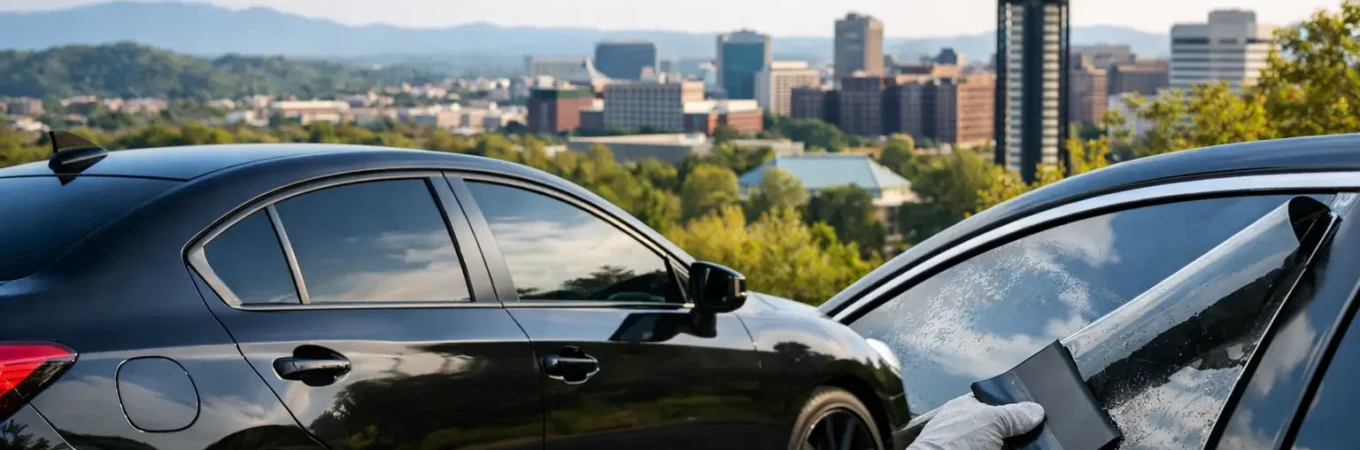
A Knoxville summer can turn a parked vehicle into a heat trap before you make it out of the driveway. Blinding afternoon glare on I-40, fading dashboards, and a steering wheel that is too hot to touch are all real reasons car tinting Knoxville drivers choose is about more than a darker look. The right film makes everyday driving more comfortable while adding privacy and helping protect the interior you have invested in.
Professional tint should look clean from every angle, fit the glass correctly, and keep performing after years of sun, rain, and temperature swings. That is why the film you choose and the installer you trust both matter.
What Good Window Tint Does for Your Vehicle
Window tint changes how your vehicle feels on the road and when it is parked. The most immediate difference for many drivers is glare reduction. Whether you commute early in the morning, drive west into the evening sun, or spend time on rural roads, less glare can make the cabin easier on your eyes.
Heat control is another major benefit. Quality tint rejects a portion of the sun’s heat before it builds up inside the vehicle. Your air conditioning still has work to do on a humid East Tennessee day, but a properly selected film can help the cabin cool down faster and stay more comfortable.
Tint also helps block UV exposure. That matters for your skin during long drives, but it also helps preserve leather, upholstery, trim, and other interior surfaces that can fade, dry out, or crack over time. Add the privacy of darker side and rear windows, and tint becomes one of the most practical upgrades you can make to a daily driver, truck, SUV, or family vehicle.
Car Tinting in Knoxville Starts With the Right Film
Not every tint film is built for the same goal. A low price can be appealing, especially if you only want a little more privacy, but the cheapest film is not always the best value over time. Film can discolor, bubble, peel, or lose performance when quality and installation are overlooked.
At 865 Tint, customers can choose from several film levels based on budget, appearance, and heat-rejection needs. The best choice depends on how you use your vehicle.
Carbon Film for a Clean, Affordable Upgrade
Carbon film is a solid choice for drivers who want a sharp tinted look, improved privacy, and dependable everyday performance without moving into premium ceramic pricing. It gives vehicles a clean appearance and offers a noticeable improvement over bare glass.
For a vehicle that is mostly used for short trips, errands, or local commuting, carbon may be all you need. It is a practical fit when appearance and basic comfort are the priorities.
Entry Ceramic for More Everyday Comfort
Ceramic film is designed for drivers who want stronger heat control without going all the way to the highest-tier option. It is a good middle ground for Knoxville drivers who spend regular time in traffic, park outdoors, or simply want the cabin to feel less punishing in July.
Ceramic films are also valued because they are not metal-based. That means they are a smart option for drivers who want performance without concerns about interference associated with some older metallic films.
Ceramic IR and Ceramic Ultra for Maximum Heat Rejection
If heat is the main problem you want to solve, higher-end ceramic film is where the upgrade makes the biggest difference. Ceramic IR and Ceramic Ultra films are made for stronger infrared heat rejection, which can make a real difference during long commutes, road trips, and sunny workdays.
These premium options cost more upfront, and that trade-off is worth considering honestly. If your vehicle stays in a garage, sees limited daytime driving, or is a short-trip second car, a premium film may be more than you need. But for a black truck parked outside all day, a daily commuter, or a vehicle with leather and a large glass area, higher heat rejection can be money well spent.
Choose Shade With Comfort, Privacy, and Visibility in Mind
Tint percentage is not just about how dark the glass looks. It affects privacy, night visibility, and legal compliance. A darker film can give your vehicle a more private, custom appearance, but it may be less comfortable for drivers who frequently travel dark backroads or need maximum visibility when parking at night.
Lighter film can still reduce glare and heat while maintaining a more open look. This is often a smart choice for windshields where permitted or for drivers who do a lot of night driving. Side and rear windows give you more room to customize, but the best shade is still the one that fits your driving habits.
Tennessee tint rules should always be part of the conversation. Legal requirements can differ by window location and vehicle type, and regulations can change. A professional tint shop can help you choose a film and shade that gives you the benefits you want without creating an avoidable issue down the road.
Why Professional Installation Is Worth It
Tint is only as good as the installation. Professional installers prepare the glass carefully, cut and shape film precisely, and work to keep contaminants out of the finished application. The goal is a smooth, clean result without lifted edges, unnecessary gaps, scratches, or damage to your vehicle.
You may see small moisture pockets or a slightly hazy appearance immediately after installation. That is normal during the curing process. Depending on the weather and the film, tint needs time to dry fully before it reaches its final clarity. Do not roll the windows down until your installer says it is safe to do so.
Professional service also matters when removing old tint. A damaged or peeling film can make even a well-kept vehicle look tired. Removal done the wrong way can leave adhesive behind or create unnecessary risk around rear defroster lines. Clean removal takes patience, the right tools, and attention to the glass underneath.
The Best Tint Package Depends on Your Vehicle
A two-window package is often a great place to start for a driver who wants a more balanced look or less glare up front. Full sides-and-rear tint is the better choice when you want consistent privacy, a finished appearance, and improved cabin comfort throughout the vehicle.
Windshield tint is a separate decision. A legal windshield strip can cut down on harsh sun at the top of your field of view, while a light ceramic windshield film, where allowed, may help with heat and glare without making the windshield look dark. This is an area where shade selection and local requirements deserve extra care.
Think about who rides in your vehicle, where it is parked, and how long you spend behind the wheel. Parents with children in the back seat may prioritize rear-cabin comfort. Truck owners may want privacy for tools and gear. Commuters may care most about heat rejection and glare. There is no single best package for every vehicle, only the one that solves the problems you actually have.
Keep Your New Tint Looking Its Best
Once the film has cured, basic care goes a long way. Use a soft microfiber towel and an ammonia-free glass cleaner. Avoid abrasive pads, harsh chemicals, and sharp objects around the edges of the film. If a window is dirty, gentle cleaning beats aggressive scrubbing.
Most importantly, do not judge fresh tint too quickly. Give it the time it needs to cure, then enjoy the difference on the next bright Knoxville afternoon. A well-chosen film should make your drive feel cooler, more private, and more comfortable every time you get behind the wheel.