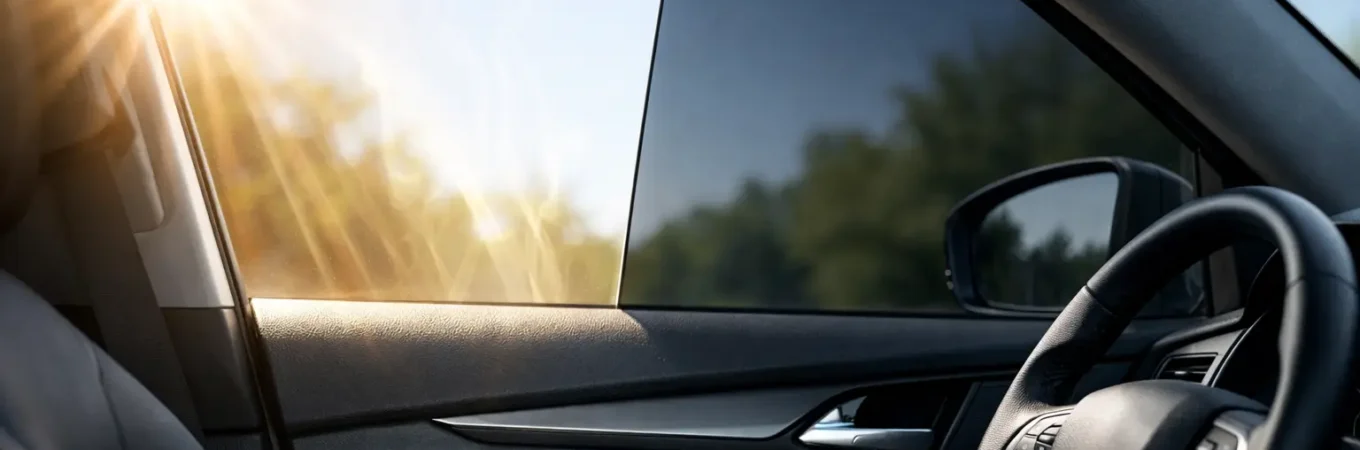
Park your car in a Tennessee lot in July, or sit near a big sunny window in the afternoon, and the question gets real fast: does window tint reduce heat? Yes, it does – but the amount of heat reduction depends on the film you choose, the glass it’s going on, and what kind of result you actually want.
That matters because a lot of people hear “tint” and think only about darker glass or added privacy. In reality, good window tint is also a heat-control product. It helps slow down how much solar energy comes through the glass, which can make a vehicle more comfortable to drive and a home or office easier to keep cool.
Does Window Tint Reduce Heat in a Meaningful Way?
It does, and not just a little. Window tint is designed to reject part of the sun’s energy before it turns your interior into an oven. In a vehicle, that can mean less heat building up on your seats, dash, steering wheel, and console. In a home or business, it can mean fewer hot spots near windows and less strain on the HVAC system during sunny parts of the day.
The key thing to understand is that heat reduction is not the same as making glass dark. A darker film may cut visible light, but the real performance comes from how well the film blocks infrared heat and solar energy. That’s why two films can look similar and perform very differently.
If you’ve ever seen a car with tint that still feels blazing hot inside, that usually comes down to film quality, coverage, or unrealistic expectations. Tint helps a lot, but it does not turn glass into insulation or make a parked car immune to summer heat.
How Window Tint Reduces Heat
Sunlight brings more than brightness. It also carries ultraviolet rays, visible light, and infrared energy. Infrared is a major part of what makes interiors feel hot. Window tint works by reflecting, absorbing, and rejecting portions of that solar energy before it builds up inside.
In practical terms, that means less direct heat hitting your skin while driving and less radiant heat pouring through your windows at home or work. You still have glass, and some heat will still come through, but quality film can make the space feel noticeably more manageable.
This is also why premium films cost more. Better film technology is built to target heat more effectively, not just change the look of the window.
Not All Tint Films Perform the Same
This is where a lot of buyers get tripped up. If your main goal is heat reduction, the cheapest tint option is not always the best value. Basic dyed film may improve appearance and cut some glare, but it generally will not perform like carbon or ceramic products when the sun is beating down.
Carbon film is a solid step up for customers who want a better balance of cost, appearance, and heat performance. Ceramic-based options go further, especially for drivers or property owners who care most about comfort. Higher-end ceramic films are built to reject more heat while keeping visibility and signal-friendly performance.
That difference matters in East Tennessee, where you can get long sunny stretches, humid summers, and plenty of windshield time. If heat is your top reason for tinting, film type matters just as much as shade.
Does Window Tint Reduce Heat in Cars Better Than in Homes?
It helps in both, but the experience is a little different.
In a vehicle, the effect is often more immediate. You feel less sun on your arm, less glare in your eyes, and less heat building on interior surfaces. If you tint the side windows and rear glass, you improve overall comfort. If you also address the windshield with an appropriate film, the difference can be even more noticeable because that front glass takes a lot of direct sun.
In a home or office, the change is usually more about consistency. Certain rooms stay more usable during peak daylight hours. You may notice less fading on furniture and flooring, and spaces with large windows often feel less harsh and less bright. It is not the same as replacing your HVAC system or adding insulation, but it can absolutely help with comfort and solar control.
What Kind of Heat Reduction Should You Expect?
This is the honest answer: it depends.
If you go from bare glass to a quality ceramic film, you can expect a noticeable improvement. The cabin or room may cool down faster, stay more comfortable, and feel less punishing during direct sun exposure. If you choose a lower-tier film mainly for appearance, you may still get some benefit, but the heat reduction may not be as dramatic.
Other factors matter too. A black interior gets hotter than a light one. A large windshield or west-facing living room window takes on more heat than a shaded side window. Older glass, window size, the angle of the sun, and whether your vehicle or building sits in full sun all play a role.
So yes, window tint reduces heat, but the level of improvement comes down to the film and the conditions.
Why Ceramic Tint Gets So Much Attention
There’s a reason ceramic products come up so often in heat-reduction conversations. They are built for performance.
Ceramic tint can reject a substantial amount of solar heat without needing to be extremely dark. That’s important for customers who want comfort but also want a clean look or need to stay within legal tint limits. In vehicles, ceramic film is popular because it helps with heat while keeping visibility better than many people expect. In homes and businesses, it works well when you want glare and heat control without making rooms feel closed in.
It also tends to hold up well over time when installed properly. That matters because cheap film can discolor, bubble, or lose effectiveness sooner than better products.
Heat Reduction Is Only Part of the Value
Even if your main question is does window tint reduce heat, that is not the only benefit you get.
Tint also cuts glare, which makes driving easier and indoor spaces more comfortable for screens and everyday use. It helps block UV rays that contribute to fading, cracking, and sun damage. In vehicles, that can help protect dashboards, seats, and trim. In homes and businesses, it can help preserve flooring, furniture, and merchandise.
Then there’s privacy and appearance. Many customers come in wanting the cleaner look of tinted glass and end up realizing the comfort benefits are just as valuable. That mix of function and style is a big reason tint remains one of the most practical upgrades you can make.
Common Misunderstandings About Heat-Reducing Tint
One common myth is that darker always means cooler. Not necessarily. Shade affects visible light, but heat rejection depends more on the film’s construction than its darkness alone.
Another misunderstanding is that tint makes a parked car stay cool all day. It helps reduce heat buildup, but if a vehicle sits in direct summer sun for hours, it is still going to get hot. The difference is that quality tint can reduce how intense that heat feels and help the interior recover faster once the AC is running.
People also assume any tint installer offers the same result. Installation quality matters. A good film installed poorly can still disappoint. Clean edges, proper coverage, and damage-free application all affect long-term performance and appearance.
Choosing the Right Tint for Heat Reduction
If heat control is your priority, start there when you talk to a tint shop. Don’t just ask for the darkest film or the cheapest package. Ask what film line is best for reducing solar heat, how the different tiers compare, and what makes sense for your vehicle or property.
For some customers, carbon film is the right fit because it gives a solid upgrade at a reasonable price. For others, especially those who spend a lot of time driving or have windows that take heavy afternoon sun, ceramic IR or higher-end ceramic options make more sense.
A good shop should explain the trade-offs clearly. You want to know what you’re paying for, what kind of heat performance to expect, and which package fits your goals without overselling you.
For drivers and property owners around Knoxville, that local advice matters. The right recommendation should reflect how you actually use the space, how much sun it gets, and what level of comfort you want day to day.
At the end of the day, window tint is one of those upgrades you feel almost every time the sun is out. If heat, glare, and UV are making your car or property less comfortable than it should be, the right film can make a real difference – and that difference starts with choosing tint for performance, not just appearance.