Most people don’t regret getting window tint. They regret going too dark, too light, or choosing a film that looked good on day one but didn’t solve the problem they actually had. If you’re wondering how to choose window tint shade, the right answer starts with one simple question: what do you want the tint to do for you?
That sounds obvious, but it’s where most bad decisions happen. Some drivers want privacy but really need heat reduction. Some homeowners ask for the darkest shade available when glare is the real issue. Others care about looks first, then realize visibility at night matters more than they expected. Shade matters, but it’s only one piece of the decision.
How to Choose Window Tint Shade Based on Your Goal
The best tint shade depends on how you use the vehicle or space every day. If your main goal is privacy, a darker shade will usually make more sense. If your priority is cutting heat and UV without making the glass look too dark, a lighter ceramic film may be the better call.
For vehicles, most customers are balancing four things at once: appearance, privacy, visibility, and comfort. A darker tint usually gives a cleaner, more aggressive look and helps limit what people can see inside. The trade-off is reduced visibility, especially at night or in bad weather. If you do a lot of night driving on backroads around East Tennessee, that matters.
For homes and businesses, the equation is a little different. You may want daytime privacy, less glare on screens, or lower indoor heat. But going too dark can also change how a room feels. A shade that works well on a bright sun-facing office might feel too heavy in a living room that already gets limited light.
Shade Percentage Matters, but So Does Film Type
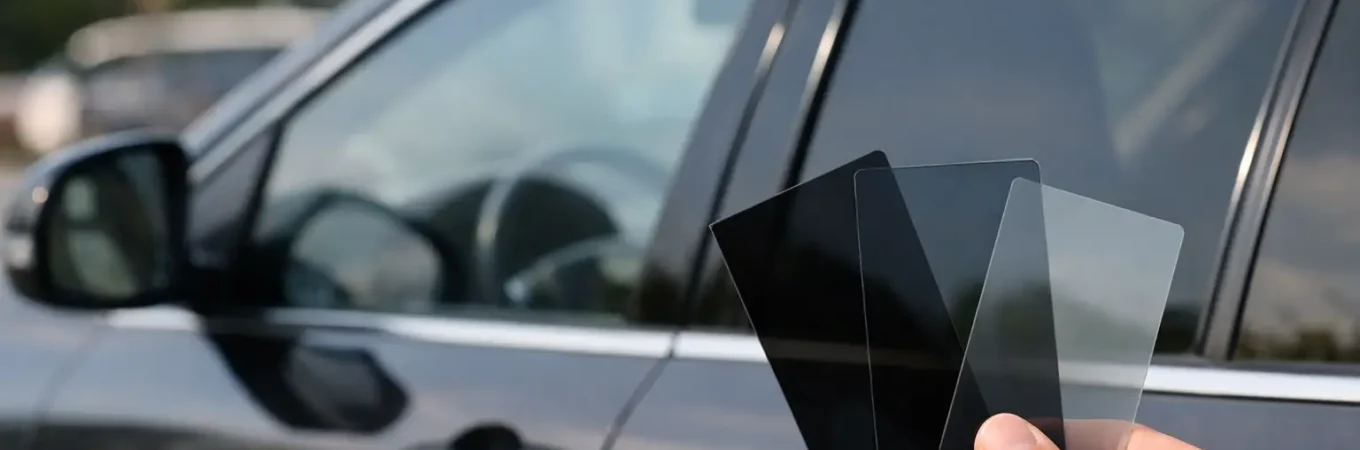
When people talk about tint shade, they’re usually talking about visible light transmission, or VLT. A lower number means a darker film. A higher number means more visible light passes through the glass.
That part is straightforward. What trips people up is assuming darker automatically means better performance. It doesn’t.
A cheap dark film may give you privacy, but not much heat rejection. A quality ceramic film in a lighter shade can block a lot more heat and UV while keeping the glass more natural-looking. That’s why two vehicles can have similar-looking tint and completely different comfort levels inside.
If your goal is mostly cosmetic, shade will carry more weight in the decision. If your goal is comfort, especially during Tennessee summers, film quality becomes just as important as darkness. Carbon, ceramic, and premium heat-rejecting films can deliver very different results even when the shade looks similar.
Choosing the Right Shade for Your Vehicle
For most vehicles, there isn’t one perfect answer. There’s the shade that fits how you drive, what look you want, and what level of comfort matters to you.
A lighter shade is often a smart choice for drivers who want some heat and glare reduction without changing the look of the vehicle too much. It keeps visibility easier and can feel like a safer everyday option for commuters.
A mid-range shade is where a lot of people land because it gives a noticeable upgrade in appearance and privacy without going to an extreme. It tends to work well for daily drivers, family vehicles, and people who want balance.
A darker shade is usually chosen for maximum privacy and style. It can look great, especially on trucks, SUVs, and sportier vehicles, but it’s not automatically the best pick for everyone. If you park in dark areas, back into tight spaces often, or drive a lot at night, darker can become less convenient than it looked in your head.
Windshield tint deserves its own mention because customers often assume darker is better there too. In reality, many people prefer a lighter windshield film that helps with heat and glare without affecting visibility as much. That kind of setup can make the cabin more comfortable without making the glass feel overly dark from the driver’s seat.
How to Choose Window Tint Shade for Homes and Businesses
Property tinting is less about style and more about function, but appearance still matters. The wrong shade can make a room feel closed in. The right one can cut glare, protect interiors, and make the space more comfortable without changing the whole look of the building.
For homes, think about which rooms get the harshest sun and what problem you notice most. If furniture fading is the issue, UV protection should lead the decision. If certain rooms get hot every afternoon, heat rejection matters more. If your front windows feel too exposed during the day, privacy may be the deciding factor.
For commercial spaces, screen glare and energy efficiency are usually the big priorities. Offices, storefronts, and waiting areas often benefit from films that reduce brightness and heat while still keeping the building professional and inviting. Very dark film can make sense in some settings, but not every business wants that look.
The biggest mistake property owners make is choosing shade by appearance alone. On a house or business, comfort and light balance matter just as much. A professional recommendation helps because the same shade can behave differently depending on glass type, room orientation, and how much direct sun the space gets.
Don’t Ignore Local Tint Laws
This part matters more for automotive tint than people want to admit. You may love the look of a very dark shade, but if it doesn’t fit state law, it can create headaches later.
Before choosing any vehicle tint, make sure the shade you want is legal for your specific windows. The rules can vary by window location, and what looks good on another car may not be the right legal fit for yours. A professional tint shop should be able to walk you through legal options clearly so you don’t have to guess.
This is one place where going with a specialty tint installer really helps. You’re not just buying film. You’re buying experience, clean installation, and guidance that keeps you from paying twice.
What Looks Good Is Not Always What Feels Best
A lot of customers come in with a shade in mind because they saw it on a friend’s vehicle or online. That can be a helpful starting point, but it shouldn’t be the whole decision.
The same shade can look different on a white sedan than it does on a black SUV. It can feel different depending on your interior color too. Lighter interior cabins usually make tint appear less dark from the outside, while darker interiors can make the same film look richer and more private.
There’s also the everyday-use side of the choice. A shade that looks sharp in bright daylight may be less enjoyable on a rainy night. A film that seems subtle from outside may still make a huge difference in cabin comfort if the product quality is high.
That’s why the best choice usually comes from matching the shade to the way you actually live with the vehicle or space, not just the look you want in a parking lot photo.
A Better Way to Decide
If you’re stuck between two shades, think in order of priority. Start with legality if it’s for a vehicle. Then think about heat rejection, privacy, and visibility. Style should absolutely be part of the decision, but it works best when it comes after the practical stuff.
If heat is your main issue, ask about better film options before automatically going darker. If privacy is the goal, be honest about how much night visibility you’re willing to give up. If you want a clean factory-style look, a balanced mid-range shade often gives the best result.
At 865 Tint, this is usually where the conversation gets easier. Once the goal is clear, the right shade and film combination tends to narrow down fast.
The best window tint shade is the one that still feels right after the newness wears off – on hot afternoons, early commutes, nighttime drives, and every normal day in between.