The difference between a car that looks good and a car that feels better every single day usually shows up at the glass. If you are searching for a car window tinting guide, you are probably not just thinking about looks. You are thinking about heat in a parking lot, glare on your commute, fading seats, privacy at stoplights, and whether the tint you pay for will actually hold up.
That is the right way to look at it. Good tint is not just a cosmetic add-on. It changes how your vehicle feels, how much sun gets into the cabin, and how comfortable the drive is in East Tennessee heat.
Car window tinting guide: what matters most
Most drivers start with shade percentage because that is what they can see. Darker tint looks more dramatic, and for some vehicles that is part of the goal. But shade is only one piece of the decision.
The better question is what you want the tint to do. Some people want basic privacy and a cleaner look. Others want better heat rejection because their vehicle sits outside all day. Some want to protect leather, dash materials, and electronics from constant UV exposure. If you choose film based only on darkness, you can end up paying twice when the result does not match what you actually needed.
A professional tint job should balance appearance, performance, and legal compliance. That means the right film, the right shade, and a clean installation that does not peel, bubble, or leave damage behind.
Understanding your film options
Not all tint film performs the same, even when it looks similar from the outside. This is where a lot of confusion starts, because two vehicles can have nearly the same appearance while offering very different comfort levels inside.
Carbon film is a solid entry point for drivers who want a clean look, good value, and better performance than the cheapest dyed films. It gives you privacy, cuts glare, and helps with heat, without pushing the budget too far.
Ceramic film is where performance starts to stand out. Entry ceramic offers stronger heat rejection and UV protection than lower-tier options, and that matters when you drive daily or park in direct sun. Ceramic IR and higher-end ceramic ultra products push that even further. Those are better fits for drivers who care less about simply darkening the glass and more about reducing cabin heat in a meaningful way.
That trade-off is straightforward. Premium film costs more up front, but it tends to deliver better comfort and better long-term value. If you keep your vehicle for years, or you spend a lot of time on the road, the upgrade often makes sense. If your main goal is appearance on a tighter budget, carbon may be the smarter choice.
Shade versus heat rejection
This is one of the biggest misunderstandings in any car window tinting guide. Darker does not always mean cooler.
A lower-quality dark film can look aggressive but still allow a lot of heat into the cabin. A higher-quality ceramic film can be lighter in appearance and still reject more heat. That matters for windshields and front windows especially, where drivers often want visibility without giving up comfort.
If you drive at sunrise, sunset, or at night, visibility should stay part of the conversation. A very dark setup may look great in daylight and feel less practical after dark, especially on back roads or during bad weather. The right setup depends on your vehicle, your driving habits, and what matters most to you day to day.
Know the legal side before you book
Tint law is not the part anyone gets excited about, but it matters. Every state sets rules around how dark certain windows can be tinted, and those rules can vary between front side windows, rear windows, and windshields.
A good shop should help you choose an option that fits your goals while staying within legal limits. That matters because a tint job should not create headaches later with inspections, traffic stops, or forced removal.
Windshield tint is one area where people often need clear guidance. Some drivers want a strip across the top for glare, while others ask about a full windshield film for heat and UV reduction. The legal and practical answer depends on the film, the darkness, and local regulations. This is one of those areas where professional advice matters more than internet guesses.
Should you tint just two windows or the whole vehicle?
A two-window package usually means the front doors. It is a common choice for vehicles that already have factory privacy glass in the rear and just need the front windows matched for a finished look.
That setup can make sense if your main goal is appearance and privacy. It is budget-friendly, and for many trucks and SUVs it gives the vehicle a much more complete look.
A full sides-and-rear package is the better move if you want a more consistent result around the entire cabin. It also gives you more overall glare control and a better chance at improving comfort for passengers, especially in summer. If your rear glass is factory tinted, remember that factory glass often looks dark but does not always offer the heat rejection of aftermarket performance film. That is why some drivers choose to film those windows anyway.
What professional installation really gets you
The biggest reason to go with a tint specialist is not just the final look. It is the process.
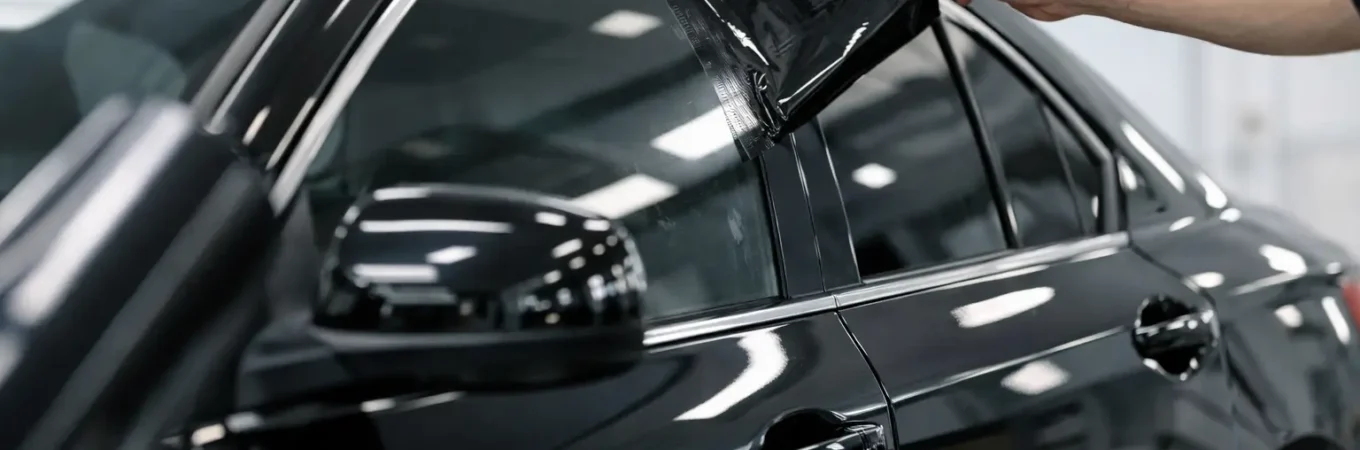
A clean installation takes prep, precision, and experience. The film has to be cut, shaped, and applied without contamination, creases, or edges that lift later. Good installers also know how to work around defrosters, sensors, and modern glass without creating damage.
Removal matters too. Old film can turn purple, bubble, or glue itself to the glass over time. If it is removed carelessly, you can end up with damaged defroster lines, leftover adhesive, or scratched glass. A professional removal service is worth it when the goal is to start fresh without creating a bigger problem.
This is also why specialized tint shops tend to outperform general auto shops on consistency. Tinting looks simple from a distance. Up close, the difference in workmanship is obvious.
How to choose the right tint for your vehicle
Start with how you use the vehicle. A daily commuter that sits in open sun has different needs than a weekend car kept in a garage. A family SUV with kids in the back may benefit more from stronger heat and glare reduction than a second vehicle used occasionally.
Then look at budget honestly. There is nothing wrong with wanting the best value instead of the highest-priced option. The key is matching your budget to your priorities. If appearance is the main goal, a lower-tier film may be enough. If comfort, UV protection, and long-term performance matter more, ceramic is usually worth serious consideration.
It also helps to think beyond the first week after installation. Tint is something you live with every time you drive. If a better film keeps the cabin cooler, reduces eye strain, and protects the interior for years, that added value tends to show up long after the install appointment is over.
Questions to ask before saying yes
Before you commit, ask what film line is being installed, what package fits your vehicle, and what kind of result you should realistically expect. Ask about heat rejection, not just darkness. Ask how long the install takes and what the curing process looks like after pickup.
You should also ask about warranty coverage and removal experience. A shop that installs tint every day should be comfortable answering those questions clearly. Straight answers are part of good service.
For Knoxville-area drivers, that local experience matters. A shop that works with East Tennessee weather, local customer preferences, and legal expectations can guide you toward a better setup than a one-size-fits-all recommendation. That is a big part of why people choose specialists like 865 Tint instead of treating tint as an afterthought.
The best tint job is the one that fits your life
There is no single perfect tint for every driver. The right choice depends on your vehicle, your budget, how much heat you deal with, and how you want the car to look when it pulls away.
A smart tint decision usually comes down to three things: choosing the right film, staying realistic about what you want the tint to do, and having it installed by people who know how to do it right. If you keep those three in focus, you are much more likely to end up with a vehicle that looks sharper, feels cooler, and stays comfortable every time you get behind the wheel.
If you are still deciding, that is not a bad sign. It just means you are taking the time to get the right result, and with window tint, that usually pays off every day after the install.