That faded leather seat, the hot steering wheel, the sun glare across your living room floor – those are usually the first signs that UV exposure is doing more damage than most people realize. Window tint for uv protection is one of the simplest ways to cut that damage down while making your car, home, or business more comfortable every day.
A lot of people first ask about tint because they want privacy or a cleaner look. That makes sense. But UV protection is where window film starts paying you back over time. It helps protect interiors, reduces harsh sunlight, and adds a layer of comfort that you notice right away, especially in East Tennessee where sun exposure can be strong even when the temperature feels manageable.
Why window tint for UV protection matters
Ultraviolet rays are tough on almost everything they touch for long enough. In vehicles, they can fade dashboards, dry out leather, crack trim, and wear down upholstery faster than most owners expect. At home or in a commercial space, they can bleach flooring, damage furniture, fade rugs, and dull artwork or merchandise near windows.
There is also the personal side of it. UV exposure through glass is often underestimated, especially for drivers who spend a lot of time on the road or for people who sit near large windows at work or at home. The right film helps cut down that exposure significantly. That means your windows are not just for appearance or shade – they are working harder for protection.
This is where professional tint makes a real difference. Not every film performs the same, and not every window setup needs the same product. Some customers mainly want a basic improvement at a lower price point. Others want stronger heat rejection, better clarity, or higher-end ceramic performance. The right answer depends on how you use the space and what matters most to you.
What UV protection window tint actually does
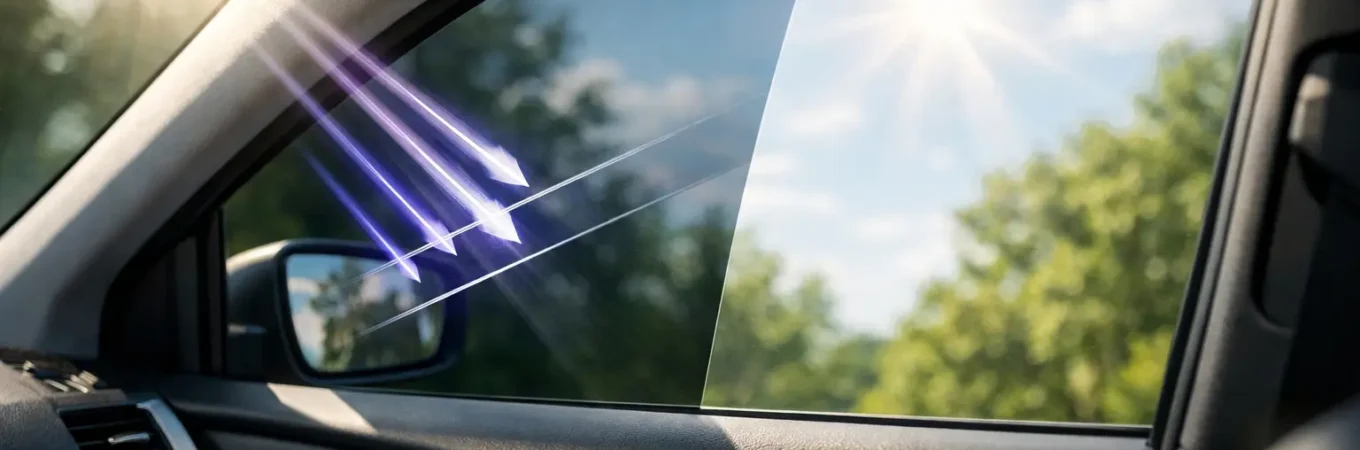
Window film is applied directly to the glass, creating a barrier that filters out a large amount of harmful ultraviolet radiation. Quality films are designed to block the UV rays that contribute to fading, interior wear, and skin exposure while still allowing visible light through at levels that fit your preference and local legal limits.
That last part matters. People sometimes assume darker tint always means better protection. It does not work that way. A lighter, high-quality ceramic film can provide excellent UV protection and heat rejection, while a darker low-grade film may mainly change the appearance without delivering the same long-term performance. If your goal is protection, the film type matters more than darkness alone.
For cars, that means you can choose a look you like while still focusing on interior preservation and comfort. For homes and businesses, it means you can reduce UV damage without making the space feel closed in or overly dark. Good film should improve the experience of the space, not fight against it.
Window tint for UV protection in vehicles
Drivers usually notice the benefits in stages. First comes the comfort. The cabin feels less harsh in direct sun, glare is reduced, and surfaces do not get punished as quickly by daylight. Then over time, the longer-term benefits show up. Your interior keeps its color better, materials hold up longer, and the vehicle simply ages better.
That is especially valuable if you plan to keep the vehicle for years, if you just bought something new, or if you take pride in maintaining it. UV damage does not happen all at once. It builds slowly, and by the time it is obvious, it is expensive to reverse.
Windshield tint, side and rear packages, and upgraded ceramic options all play different roles here. Some drivers want a basic setup that adds protection and appearance without stretching the budget. Others want stronger infrared and heat control for a more premium result. Both can help with UV protection, but the performance level changes depending on the film you choose.
There is also a practical point that gets missed. If tint is installed poorly, you can end up with peeling edges, contamination, purple discoloration, or damage during removal later on. Clean installation matters just as much as the film itself if you want the result to last.
How UV-protective tint helps homes and businesses
Residential and commercial customers often come in with a different problem. It is usually not about style first. It is about rooms that get blasted with afternoon sun, office glare that makes screens hard to see, or flooring and furniture that are clearly fading near the windows.
In those cases, window tint for uv protection helps solve more than one issue at a time. It cuts down the rays that cause fading, helps soften glare, and can improve comfort in rooms that always seem harder to keep balanced. For businesses, that can mean a better customer experience and a more comfortable workspace. For homeowners, it can mean preserving the look and value of the interior while making the house more enjoyable during bright parts of the day.
The trade-off is that there is no one-size-fits-all film. A storefront, a west-facing living room, and a private office may all need different solutions. Some people want maximum clarity. Others want privacy along with solar control. Some want the strongest performance they can get because they have expensive flooring, furniture, or displays they are trying to protect. A good tint recommendation should match the room, not just the glass.
Choosing the right film type
If you are comparing options, the biggest difference usually comes down to film construction and overall performance. Carbon film can be a strong value choice for customers who want a solid upgrade in appearance and protection without jumping straight to premium pricing. Ceramic-based films move further into heat rejection, comfort, and clarity, which is why many customers see them as the sweet spot.
Higher-end ceramic films are usually where performance gets more noticeable, especially for people sensitive to cabin heat, strong glare, or sun-heavy rooms. They tend to deliver stronger overall comfort without relying on a very dark appearance. That matters if you want cleaner visibility and better performance at the same time.
This is one of those areas where cheaper is not always cheaper. A lower-grade film may save money at install, but if it fades, bubbles, underperforms, or needs replacement sooner, the value disappears fast. It is worth thinking beyond the day-one price and looking at how the film will perform over the next several years.
What to ask before you book
If UV protection is your main goal, ask how the film performs, not just how it looks. Ask what kind of material is being installed, what level of UV rejection it offers, and whether the tint is a good fit for your vehicle or property windows. If you are comparing shops, ask about installation quality and removal experience too. A shop that handles tint every day is usually better equipped to give you a clean finish and avoid the problems that come from rushed work.
It also helps to be honest about your priorities. If affordability comes first, say that. If you want premium heat rejection for a daily driver, say that. If your home has one room that gets punished by late-day sun, bring that up. The better the installer understands the problem, the better the recommendation will be.
For customers around Knoxville, that local experience matters. A shop like 865 Tint sees the same kinds of vehicles, weather conditions, and property issues every day, so the advice tends to be practical instead of generic.
The real value is what you prevent
The best thing about UV-protective tint is that a lot of its value shows up in what never happens. Your seats do not fade as fast. Your dash holds up better. Your floors keep their color longer. Your office or living room feels easier to use during bright hours. Your vehicle and property stay in better shape without constant damage from the same windows you use every day.
That is why tint is more than a cosmetic upgrade. Done right, it is a practical layer of protection that keeps paying off long after the install is finished. If you are weighing your options, focus on the film quality, the installer, and the result you actually want to live with – because good tint should look good, feel good, and quietly protect what matters.