
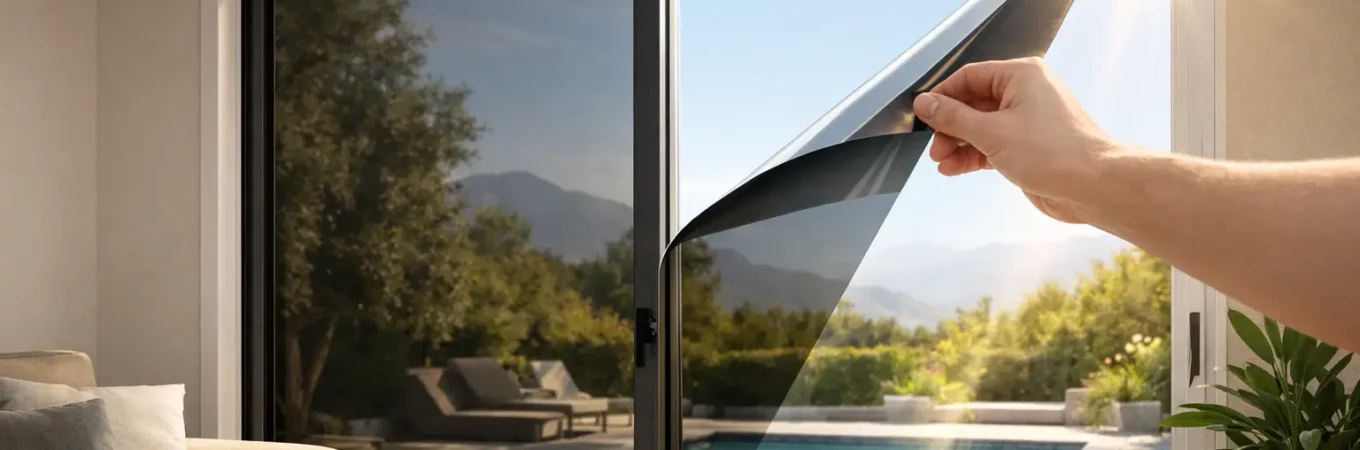
If one side of your house turns into an oven every afternoon, you are not imagining it. Home window film for heat reduction is one of the simplest ways to make sun-heavy rooms more comfortable without replacing every window in the house.
For a lot of homeowners, the problem shows up in the same ways. The upstairs bonus room stays hot long after sunset. The living room TV gets washed out by glare. Hardwood floors and furniture take a beating from direct sun. Then the AC runs harder, and the room still never feels quite right. That is usually the point where window film starts making sense.
What home window film for heat reduction actually does
Window film is a thin layer professionally applied to existing glass. Its job is to reduce the amount of solar heat and UV entering your home while still letting in usable natural light. Depending on the film you choose, it can also cut glare, improve daytime privacy, and help protect interiors from fading.
The main benefit people care about is comfort. When sunlight hits untreated glass, a lot of that heat passes straight into the room. Quality film helps reject a significant portion of that solar energy before it becomes trapped indoors. That means the room feels more stable during peak sun hours instead of swinging from comfortable to miserable.
It is also a practical upgrade because it works with the windows you already have. Full window replacement can make sense in some homes, but it is a much bigger project and a much bigger price tag. Film is often the better first move when the main complaint is heat, glare, and UV exposure.
Where heat-reducing window film makes the biggest difference
Not every room in a house has the same problem. South-facing and west-facing windows usually take the worst of the heat load, especially in Tennessee where summer sun can be intense and humidity keeps everything feeling heavier. Large picture windows, glass doors, sunrooms, and upper-story rooms are common trouble spots.
You may also notice the issue more in newer homes with open layouts. Big windows bring in a lot of natural light, which looks great until that same glass turns part of the house into a greenhouse. In those cases, film can make the space more usable during the hottest part of the day instead of forcing you to close blinds and avoid the room.
Commercial spaces deal with the same thing. Front offices, waiting areas, and storefront glass can create hot spots for staff and customers. The goal is not just making the room darker. It is reducing the solar load so the space performs better.
Not all films perform the same
This is where many homeowners get tripped up. Window film is not one-size-fits-all, and the cheapest option is not always the best value.
Basic films can help with glare and offer some heat control, but higher-performance films are usually the better fit when heat reduction is the main goal. Carbon films offer a solid step up from entry-level options. Ceramic and infrared-rejecting films typically deliver stronger heat rejection while keeping a cleaner look and better visibility. High-end ceramic products are especially appealing for homeowners who want performance without making the glass look overly dark or reflective.
That trade-off matters. Some people want maximum heat control and do not mind a more noticeable appearance. Others want the house to keep a natural look from both inside and outside. A good installer will walk you through that balance instead of pushing a film that looks wrong on your home.
The difference between glare reduction and heat reduction
A lot of people use those terms like they mean the same thing, but they are different problems. Glare is what makes you squint, strains your eyes, and turns your TV into a mirror. Heat is what makes the room uncomfortable and forces the AC to work harder.
Good window film can address both, but some products are stronger at one than the other. A darker film may cut glare very well, but that does not automatically mean it is the highest-performing heat-rejection film available. On the other hand, some advanced ceramic films reduce a surprising amount of heat while keeping the glass fairly light.
That is why product selection should start with how the room feels and how you use it. If you work from a home office with sun on your screen all afternoon, glare may be the top complaint. If your upstairs bedroom never cools off, heat rejection is probably the priority.
Why professional installation matters
Homeowners sometimes look at DIY film kits first, usually because they seem cheaper. On paper, that makes sense. In practice, DIY film often turns into wasted material, trapped dust, peeling edges, and a finish that never looks right.
Residential glass is not always simple. Different window types can respond differently to film, and the wrong product can create performance issues or visual distortion. Professional installation helps make sure the film is matched correctly to the glass and applied cleanly. That means smoother edges, better clarity, and a result that actually lasts.
There is also the appearance factor. With home window film for heat reduction, people want the benefit without making their house look patched together. A clean install keeps the finish uniform and avoids the bubbling, creasing, and corner lift that makes cheap film obvious.
Will window film lower energy bills?
It can, but the exact savings depend on the house. Window film reduces heat gain, which can reduce how hard your cooling system has to work. In homes with a lot of exposed glass or rooms that get hammered by direct sun, that can make a noticeable difference in energy use.
Still, it is better to think of film as a comfort and efficiency upgrade rather than a magic fix for every high utility bill. If your insulation is poor, ducts are leaking, or the HVAC system is undersized, film helps but does not solve those issues by itself.
Where film consistently delivers is in reducing hot spots and improving the feel of the space. For many homeowners, that immediate comfort is the real win. Lower strain on the AC is an added benefit.
What to expect from the look of residential window film
This question comes up a lot because nobody wants their home to look overly dark or commercial. The good news is that modern residential film options offer more flexibility than most people expect.
Some films are nearly clear while still rejecting a meaningful amount of heat and UV. Others have a more tinted look that adds privacy and glare control. Reflective options can work well in some settings, but they are not right for every home or HOA. It depends on your goals, your window placement, and how much exterior appearance matters to you.
Inside the home, most people notice less glare and a more comfortable room before they notice the film itself. That is usually the sweet spot – better performance without changing the character of the space.
When home window film is a smart upgrade
Window film makes the most sense when your windows are structurally fine but not performing the way you want them to. If the glass is in good shape and your biggest issues are heat, UV exposure, and glare, film is often a practical answer.
It is also a smart choice for homeowners who are not ready for the cost or disruption of full window replacement. You can target the rooms that need help most, improve comfort quickly, and choose a film tier that fits your budget. That flexibility is a big reason more homeowners are considering it.
In a market like East Tennessee, where sunny days and humid summers put real pressure on indoor comfort, this upgrade is not just about appearance. It is about making your home easier to live in.
Choosing the right installer
The product matters, but the installer matters just as much. You want a shop that can explain the differences between film types in plain language, recommend the right option for your windows, and deliver a clean finish. That means no vague promises, no pressure, and no guessing.
A specialized tint company will usually give you better guidance than a general contractor trying to add film as a side service. If a provider offers multiple film levels, that is usually a good sign because it means you can choose based on your priorities instead of being forced into one option.
For homeowners around Knoxville, working with a local company like 865 Tint means you can get straightforward recommendations, professional installation, and film options that match both your comfort goals and your budget.
If your home has that one room everyone avoids in the afternoon, you may not need to tear out the windows to fix it. Sometimes the smarter move is simply making the glass work harder for you.
1 Comment
Residential Window Film Guide for Knoxville Homes – 865 Tint
24 August 26 6:54 am[…] Heat-control film helps reduce the amount of solar heat entering through the glass. That can make sun-facing rooms more comfortable and reduce the pressure on your HVAC system during East Tennessee summers. It will not turn a poorly insulated room into an icebox, but it can make a noticeable difference where direct sun is the problem. […]