
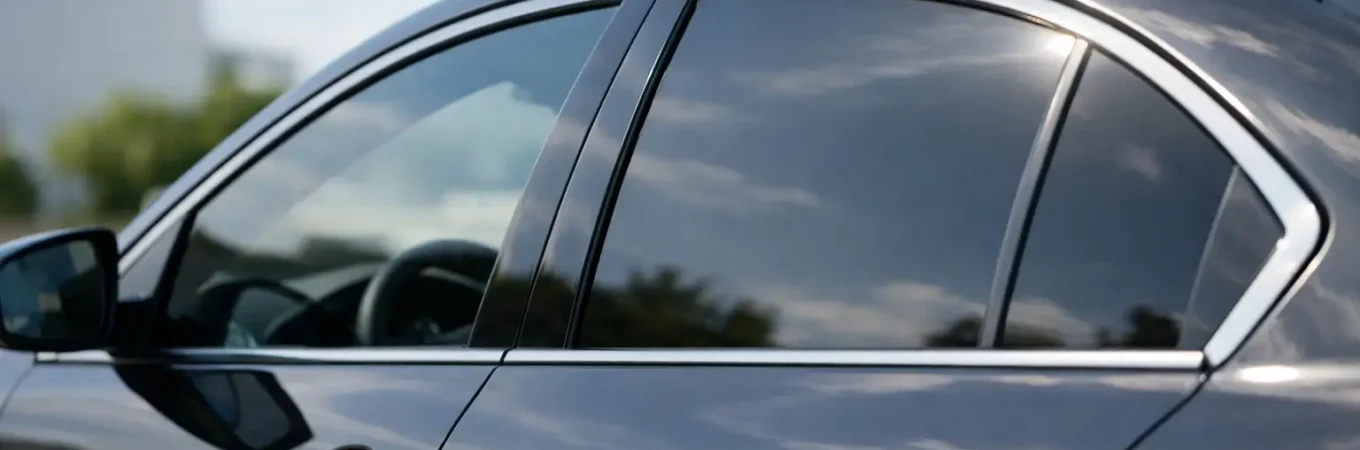
You pick up your vehicle or walk back into your home or office, look at the glass, and the first thought is usually the same: this looks good, but is it supposed to look like that right now? That question is normal. If you are wondering what to expect after window tinting, the short answer is this: the film often needs time to settle, dry, and fully cure before you see the final result.
A professional tint job should look clean from day one, but it will not always look fully finished on day one. Depending on the film, the weather, and the type of glass, you may notice slight haze, small water pockets, or a bit of distortion while the moisture trapped during installation evaporates. That does not usually mean something is wrong. It means the tint is going through its normal curing process.
What to expect after window tinting in the first few days
Fresh tint is installed with a slip solution that helps position the film correctly on the glass. Once the film is in place, most of that moisture is pushed out, but not every bit of it disappears immediately. Some of it remains between the film and the glass and needs time to dry.
This is why newly tinted windows can look a little cloudy at first. On some windows, you may see tiny water beads or a slightly streaky appearance. Rear glass can sometimes show this more clearly because of the angle and size of the window. In most cases, these temporary signs fade as the film cures.
For vehicle owners, the biggest rule at this stage is simple: keep the windows rolled up for the timeframe your installer recommends. Rolling them down too early can shift the film before it has bonded properly at the edges. That can lead to peeling, lifting, or contamination where the edge should stay clean and tight.
For homes and commercial properties, the same basic idea applies. The tint may look a little different during the early curing period, especially if the glass gets direct sun at certain times of day. The look should improve as the film dries out and settles.
How long window tint takes to cure
There is no one-size-fits-all answer here, because cure time depends on conditions. Warm, sunny weather usually speeds things up. Cold temperatures, shade, high humidity, and thicker or higher-performance films can slow it down.
On a vehicle, many tint jobs look close to final within a few days, but full curing can take longer. In cooler or damp weather, it may take several weeks before every last bit of haze or moisture disappears. Property film can also take time, especially on larger panes or glass that does not get much direct heat.
That is why patience matters. A window that looks slightly imperfect on day two may look completely different by day ten. If the shop used quality film and installed it correctly, temporary curing signs are usually just part of the process.
What is normal and what is not
This is where customers often get stuck. A few visual changes are normal after tinting. A few are not.
Normal early on includes slight cloudiness, small water pockets, and a soft, wavy look in certain lighting. These usually improve as the moisture evaporates. You may also notice that the shade appears a touch different indoors versus outside or in overcast weather versus direct sun. That is normal too.
What is less normal is obvious dirt trapped under the film, large lifting edges, peeling corners, deep creases, or damage that still looks severe after the cure period should reasonably be over. A clean install should not leave you with big debris, rough edges, or film that starts separating from the glass.
This is one reason professional installation matters. Good tint work is not just about making the glass darker. It is about precise cutting, clean prep, and damage-free application so the film lays down the way it should.
What to expect after window tinting when it comes to appearance
Most people get tint for a mix of looks and comfort, and both improve after the cure period. Right away, your vehicle may already have a cleaner, more finished appearance. A home or storefront may instantly feel more polished and private. But the film often looks its best after it has had time to fully settle.
You may also notice that some windows look darker than others depending on the angle, factory glass tint, and lighting. That is especially common on vehicles. The final appearance is influenced by more than just the film percentage. Interior color, sunlight, and factory shading all affect how dark the windows seem.
Higher-performance films can also change the look in subtle ways. Some have a more neutral appearance, while others can reflect light a bit differently. That does not necessarily make one better than another. It depends on your priorities – appearance, heat rejection, glare reduction, UV protection, or the best balance of all four.
Heat reduction does not always feel the same on every drive
This is another area where expectations matter. Quality tint helps reduce heat, glare, and UV exposure, but the experience can vary depending on the film you chose and where the sun is hitting the vehicle or building.
For example, a basic film may improve comfort and privacy, but a ceramic upgrade can make a more noticeable difference in heat rejection. If you were expecting major temperature improvement from an entry-level option, you may still like the look but wish you had gone higher on performance. That is not a problem with the install. It is a product choice issue.
The same goes for homes and commercial spaces. Tint can reduce hot spots, cut glare on screens, and help protect interiors, but the results depend on window size, sun exposure, existing glass, and the film tier selected. South- and west-facing windows tend to reveal the benefits faster than shaded areas.
How to care for fresh tint without causing problems
The best thing you can do after installation is leave it alone while it cures. On vehicles, do not roll the windows down until the recommended wait time has passed. Avoid pressing on the film or testing the edges with your fingers. If you have seat belts that snap back against tinted glass, be careful. Repeated hard contact can nick fresh film.
When it is time to clean the windows, use a soft cloth or microfiber towel and an ammonia-free cleaner. Harsh cleaners can damage some films over time, and rough paper products can leave marks or lint behind. Gentle cleaning is the safer move, especially during the first few weeks.
For residential and commercial glass, the same rule applies. Use soft materials, avoid abrasive pads, and skip harsh chemicals. A quality film is built to last, but it still deserves proper care.
Why weather in East Tennessee can affect cure time
Around Knoxville, conditions can shift fast. You can have bright sun one day and cool, damp weather the next. That matters more than many people realize. Tint dries faster when there is warmth working through the glass. When the air is cold or humid, the remaining moisture can hang around longer.
So if your tint takes a bit more time to clear up in winter or during a rainy stretch, that is not unusual. It is just the reality of the curing process. Customers sometimes compare their results to a friend who had tint installed in July and expect the same timeline in January. It does not always work that way.
When to call the shop with a concern
A reputable tint shop should be responsive after the sale, not just before it. If you are past the expected cure period and still seeing major bubbles, peeling, edge failure, or obvious contamination, it is worth reaching out. The key is giving the tint enough time first.
If you call too early, you may be worried about something that is completely normal and temporary. If you wait too long on a real issue, you may be living with a problem that should have been addressed. The sweet spot is to follow the care instructions, monitor the film during curing, and then speak up if something still looks off after a reasonable amount of time.
That local, service-first approach matters. A specialized tint shop should be able to explain what you are seeing, tell you whether it is part of curing, and stand behind the work if something truly needs attention. That is a big part of why people choose a dedicated shop like 865 Tint instead of treating tint like just another add-on service.
The final result is worth waiting for
Fresh tint can look great right away, but the best version of it usually shows up after the curing process is finished. The glass looks cleaner. The shade looks more even. The comfort, privacy, and glare reduction start to feel like part of the everyday experience instead of a brand-new change.
If your tint was installed professionally, a little early haze or moisture is usually just part of getting to that final result. Give it the time it needs, follow the care instructions, and let the film do its job. A good tint job does not just change the look of the glass – it changes how the vehicle, home, or workspace feels every day.