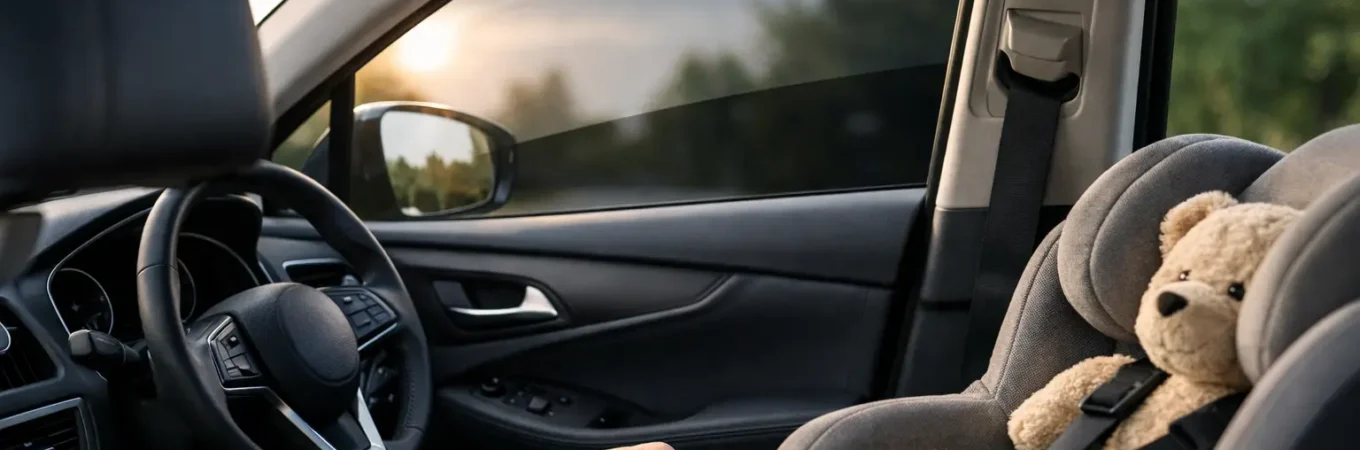
That faded seat edge, the cracking on top of the dash, the steering wheel that feels too hot to touch – that damage usually does not happen all at once. It builds up from daily sun exposure, heat, and UV rays, which is why car tint for interior protection makes sense for drivers who want their vehicle to hold up over time.
A lot of people think window tint is mostly about looks or privacy. Those benefits are real, but interior protection is one of the smartest reasons to tint a vehicle. If you spend any real time driving in Tennessee heat, parking at work, or leaving your vehicle outside during the day, your interior takes a beating whether you notice it right away or not.
Why car tint for interior protection matters
Your vehicle interior is full of materials that do not age well under constant sun. Leather can dry out and crack. Cloth can fade. Plastic trim can discolor or become brittle. Dash surfaces are especially vulnerable because they sit right under the windshield and absorb direct heat day after day.
UV exposure is a big part of the problem, but heat plays a major role too. Even when your windows look clear, sunlight is still pouring in. That trapped heat bakes the cabin and speeds up wear on the materials you touch and see every day.
Good tint helps by cutting down how much harmful light and heat enters the vehicle. That means your interior has a better chance of keeping its color, texture, and overall appearance longer. If you care about resale value, that matters. If you just want your car, truck, or SUV to stay nicer for longer, that matters too.
What tint actually protects inside the car
When people hear interior protection, they usually think about seats first. Seats do benefit, especially leather and vinyl, but tint helps protect more than that.
Your dashboard is often the first place to show damage. It gets hit by direct sun through the windshield and side windows, and over time that can lead to fading, warping, or cracking. Door panels, center consoles, and trim pieces can also lose color or dry out faster than they should.
Then there are the smaller details. Rubber seals, electronics screens, and adhesives inside the cabin all deal with heat stress. Tint will not stop normal aging completely, but it can slow down the kind of wear that comes from repeated high cabin temperatures.
If you have a newer vehicle, tint is a smart way to protect what still looks fresh. If you have an older vehicle, it can help prevent the interior from getting worse as quickly.
Not all window tint performs the same
This is where people can make a costly mistake. Two vehicles can both have tinted windows and get very different results. The difference usually comes down to film quality and proper installation.
Basic dyed films may improve appearance and offer some glare reduction, but they are not always the strongest option for heat rejection and long-term performance. Carbon film steps things up with better durability and improved solar control. Ceramic options go further, especially for drivers who want stronger heat rejection without going extremely dark.
That matters because interior protection is not just about how dark the film looks from the outside. A lighter, higher-quality film can often do more to reduce heat and block UV than a darker low-end film. If your main goal is preserving the cabin, performance matters more than the shade alone.
Choosing the right film for your goals
The right tint depends on how you use your vehicle and what kind of protection you want.
If your main concern is affordability and a cleaner look, an entry-level option may still give you a noticeable improvement over bare glass. If you commute daily, park outdoors, or have a dark interior that absorbs a lot of heat, moving into carbon or ceramic film usually makes more sense.
Ceramic IR and higher-end ceramic films are especially appealing for drivers who want stronger heat rejection while keeping a premium finish. They cost more up front, but for many people the added comfort and better interior preservation are worth it. That is especially true if you plan to keep the vehicle for years.
There is always a trade-off. Not everyone needs the highest-end film package. But going too cheap can mean less protection, shorter film life, and results that do not hold up the way you expected.
The windshield makes a bigger difference than most people think
Side and rear windows matter, but the windshield is often the biggest source of heat load in the cabin. That is why many drivers are surprised by how much windshield tint can improve comfort and interior preservation.
A quality windshield film can help reduce glare, cut heat, and limit UV exposure on the dash and front seating area. Since the dashboard sits directly below that glass, it is one of the most important areas to protect.
This is also where professional guidance matters. Windshield tint laws vary, and the right setup depends on your vehicle, your preferences, and what is legal in your area. The goal is to improve protection and comfort without creating issues you did not intend.
Professional installation matters for interior protection
Even the best film can disappoint if it is installed poorly. Gaps, contamination, peeling edges, or damage during removal and installation can turn a good investment into a headache.
A professional tint shop does more than apply film. It helps you choose the right product, match the tint setup to your goals, and install it cleanly so the film performs the way it should. That matters for appearance, but it also matters for long-term protection. If the film fails early, the interior loses the benefit.
Clean installation is especially important on modern vehicles with sensitive electronics, defrosters, and complex glass shapes. You want the job done right the first time, without damage and without guesswork.
For Knoxville-area drivers, that is where a specialized shop like 865 Tint brings value. You are not just buying film. You are paying for workmanship, product options, and service that makes the process easier.
How tint helps with comfort and resale too
Interior protection is the main topic here, but it rarely comes alone. Vehicles with quality tint usually feel better to drive, especially during hot months. Less glare means less eye strain. Lower cabin heat means the AC does not have to fight as hard. The steering wheel, seats, and dash are more livable when the vehicle has been parked in the sun.
Then there is resale. Buyers notice when an interior has held up well. Faded trim, dried leather, and cracked dash panels make a vehicle feel older than it is. Tint will not guarantee top resale value, but it helps preserve the kind of condition that buyers and trade-in appraisers pay attention to.
If you drive a work truck, family SUV, daily commuter, or weekend car, keeping the interior in better shape is not just cosmetic. It is part of protecting the value of the whole vehicle.
What to expect after getting tinted
Tint is not a magic shield, and it works best as part of a broader approach. You should still clean and condition your interior, use proper protectants when needed, and avoid letting damage pile up. But quality tint gives you a strong first layer of defense every single day.
You can expect reduced glare, less heat buildup, and more protection from UV exposure. Depending on the film you choose, the difference can feel immediate. Some drivers notice comfort first. Others notice that their interior simply stops aging as fast.
The biggest benefit often shows up over time. Months and years later, your dash still looks better, your seats still hold their color, and your cabin feels like it has been cared for.
Is car tint for interior protection worth it?
For most drivers, yes. If your vehicle sits outside, if you plan to keep it for a while, or if you are tired of heat and sun wearing down the cabin, tint is one of the most practical upgrades you can make.
The key is choosing film based on performance, not just appearance, and having it installed by people who know what they are doing. A quick cheap job can darken the glass. A quality job can help protect the interior you paid for.
If you are weighing your options, think beyond how the car looks this week. Think about how you want it to look and feel a few summers from now.
1 Comment
Dyed Tint vs Carbon Film: Which Fits Your Car? – 865 Tint
25 September 26 3:13 am[…] can also reduce some solar heat and help protect interior materials from harsh sunlight. For a second vehicle, a short-term lease, an older work vehicle, or someone […]