Bad tint has a way of making a car or building look older than it is. You see bubbling, purple film, peeling edges, or adhesive that catches every bit of dust. That is usually the point where professional tint removal stops being a nice idea and starts being the smart move. Getting old film off the right way protects the glass, avoids damage to rear defrosters, and gives you a clean surface for whatever comes next.
A lot of people wait too long because they assume tint removal is simple. On paper, it sounds easy – peel, scrape, done. In real life, older film can come off in layers, glue can bake onto the glass, and one rushed mistake can leave scratches, damaged lines, or a rear window that never looks right again. If you want the job handled cleanly, this is one of those services where experience matters.
When professional tint removal makes sense
Some tint is ready to come off long before it fully fails. If your film has turned purple, started bubbling, or looks hazy in direct sunlight, it is already working against you. Visibility suffers, the vehicle or property looks neglected, and the glass becomes harder to clean.
There are also practical reasons to remove tint beyond appearance. Maybe you bought a used car with film that is too dark for your preference. Maybe the rear glass has peeling edges that block your view at night. Maybe your home or storefront has older film that no longer matches the look of the space. In each case, removal is not just cosmetic – it is the first step toward a better result.
For vehicles, legal compliance can matter too. A tint level that was installed years ago, in another state, or by a previous owner may not fit what you want today. Removal gives you a clean slate so you can decide whether to leave the glass clear or install a film that fits your goals better.
Why DIY tint removal goes wrong
The biggest problem with do-it-yourself tint removal is not effort. It is inconsistency. One section might peel off cleanly while another tears into tiny strips, leaving adhesive everywhere. What starts as a weekend project can turn into hours of scraping, reheating, and fighting sticky residue.
Rear windows are where people usually run into real trouble. Defroster lines are delicate, and aggressive scraping can damage them. Once that happens, there is no easy fix. Side glass can get scratched if the wrong blade or too much pressure is used. On property glass, leftover adhesive and uneven cleaning can leave visible marks that show up every time the sun hits.
There is also the question of what condition the film is in. Fresh or newer tint can sometimes release more easily. Old film that has sat through years of Tennessee heat is another story. The glue hardens, the tint separates, and the work gets a lot more technical. That is where a professional approach pays off.
What professional tint removal actually includes
A proper tint removal service is more than pulling film off the glass. It is a controlled process designed to remove the tint and adhesive while protecting the surface underneath. The goal is not just to get the old film off. The goal is to leave the glass clean, clear, and ready for use or reinstallation.
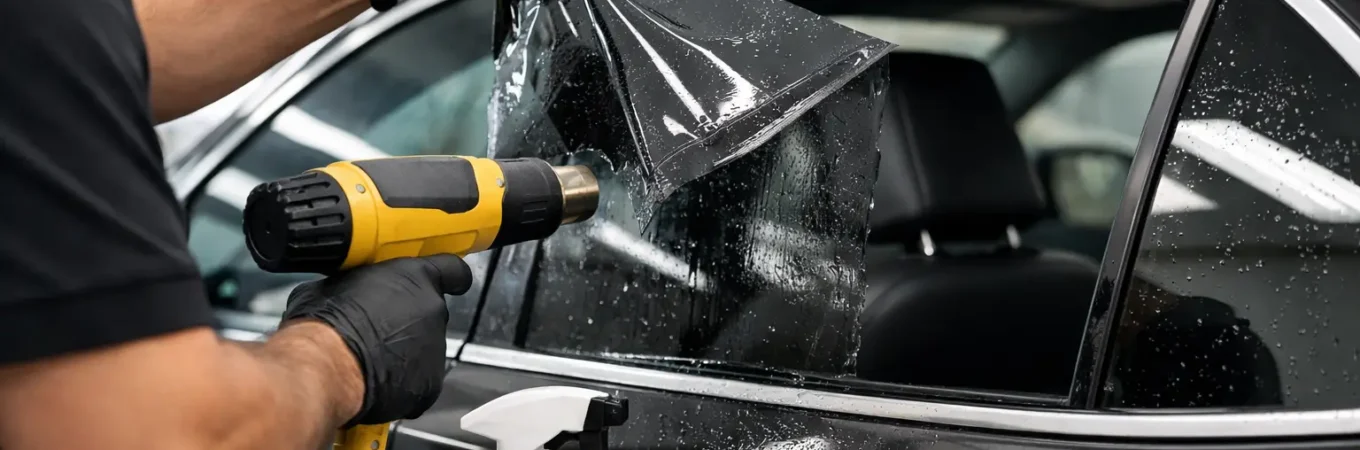
That usually starts with evaluating the condition of the film and the type of glass. A side window, a rear windshield with defroster lines, and a large residential pane do not all get handled the same way. Heat, steam, safe lifting techniques, and adhesive removal each play a role depending on what is being removed.
Good professional tint removal also means knowing when to slow down. If a film is brittle, forcing it only creates more cleanup and more risk. If adhesive has bonded heavily to the glass, rushing the final cleaning can leave haze or streaking behind. A specialist knows how to adjust the process so the result looks finished, not just improved.
The biggest risks during tint removal
Most customers are not worried about the film itself. They are worried about what happens underneath. That is the right concern.
On automotive rear glass, the main risk is damage to the defroster grid. Those thin lines are easy to disturb if the removal process is too aggressive. On side windows, scratches are the issue, especially if debris gets trapped during scraping. On home and commercial glass, the problem is often leftover adhesive, uneven residue, or film fragments that keep the window from looking truly clear.
There is also the interior of the vehicle or property to think about. Poorly managed tint removal can create a mess with loosened glue, moisture, and debris. A clean service should protect surrounding surfaces and leave the area in good shape when the job is done.
Professional tint removal before new tint installation
A lot of people seek removal because they do not want bare glass. They want better tint. That makes the quality of the removal even more important.
New film only performs as well as the surface beneath it. If the old adhesive is not fully removed, or the glass has been scratched during the process, the next tint job may not lay properly or look as clean as it should. Bubbles, contamination, and visual flaws are more likely when the prep work is rushed.
This is why removal and re-tinting often go hand in hand. If your current film is failing, replacing it with a better option can improve the look of the vehicle or property while giving you better heat rejection, privacy, and UV protection. Whether you move to carbon, ceramic, or a higher-end film, the finish starts with clean glass.
What to expect from a quality local shop
If you are comparing providers, look for a shop that treats tint removal as a skilled service, not an afterthought. Ask whether they handle rear defroster windows carefully, whether they remove adhesive completely, and whether they can prep the glass for new tint if that is your next step.
Responsiveness matters too. A good local tint shop should make it easy to ask questions, understand your options, and schedule service without a runaround. You should know what is being removed, what condition the film is in, and whether any existing damage is already present before work begins.
For Knoxville-area drivers and property owners, that local accessibility matters more than people think. You want a specialist who understands the demands of heat, sun exposure, and day-to-day use in East Tennessee, not a general shop squeezing tint work in between unrelated services. That focused experience shows up in the final result.
Is every tint removal job the same?
Not even close. A newer vehicle with low-quality film can be easier to handle than an older rear window that has baked for years. Residential and commercial film removal also varies based on the size of the glass, the age of the installation, and how much sun the windows have taken over time.
That is why pricing and timing can depend on the job. Some removals are straightforward. Others are adhesive-heavy and labor-intensive. The important thing is getting an honest assessment instead of a one-size-fits-all promise.
At 865 Tint, the value in professional tint removal is simple: save the customer time, protect the glass, and set up a cleaner final result. That could mean restoring clear visibility or preparing for a fresh tint install with better film.
Why removal is worth doing sooner
Old tint does not usually get easier to remove with time. It gets drier, more brittle, and more stubborn. Adhesive can bond harder, film can split into smaller pieces, and the window can become more frustrating to clean or live with every day.
If your tint is already bubbling, fading, or peeling, waiting rarely helps. The sooner it is addressed, the better the odds of a cleaner, more efficient job. That is especially true if you are planning to re-tint and want the best possible finish.
A clean window changes more than appearance. It improves visibility, sharpens the look of the vehicle or property, and gets rid of that worn-out feeling bad film creates. If your tint has reached the point where it looks patchy, purple, or damaged, the best next step is not to keep working around it. It is to remove it the right way and move forward with glass that looks like it should.